
Veterinarian Surgery In Roundup, MT | Bull Mountain Veterinary Hospital
Veterinarian Surgery Services
Trusted Care. Honest Communication. Compassionate Medicine.
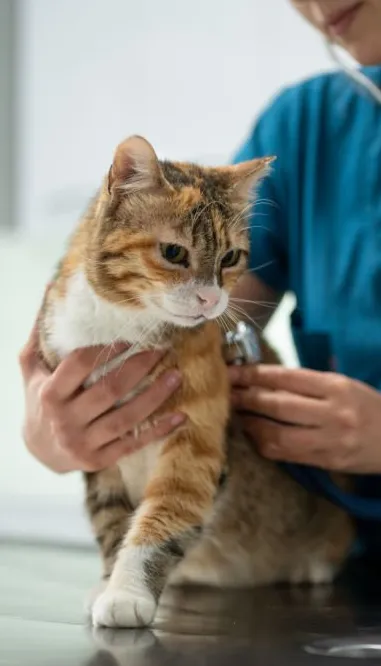
Proudly Serving Roundup, Montana & Surrounding Communities
When your pet needs surgery, you deserve more than a brief explanation and a list of instructions. You deserve to understand why the procedure is recommended, what alternatives may be available, how pain will be controlled, and what to expect during recovery. At Bull Mountain Veterinary Hospital, our veterinary team provides veterinary surgery in Roundup, Montana, for dogs and cats throughout Musselshell County and the surrounding Central Montana communities. Our surgical care combines careful preparation, individualized anesthesia, modern monitoring, attentive pain management, and clear communication before and after your pet’s procedure.
Surgery may be recommended to prevent future disease, correct a painful condition, remove abnormal tissue, repair an injury, or treat a medical emergency. Some procedures are planned weeks in advance, while others become necessary unexpectedly. Regardless of the circumstances, we approach every patient as an individual. A healthy six-month-old kitten undergoing a spay does not have the same anesthetic needs as a twelve-year-old dog having a mass removed. The procedure, age, medical history, physical examination, laboratory findings, temperament, and current health all help determine the safest and most appropriate plan.
Our goal is not simply to complete a procedure. It is to provide safe, compassionate veterinary surgery while helping your pet remain as comfortable as possible from admission through recovery.
Common Veterinary Surgeries We Perform
Our veterinarians perform a wide range of soft-tissue surgeries for dogs and cats. The specific procedures available for an individual patient depend on the animal’s condition, diagnostic findings, anesthetic risk, and whether specialized equipment or postoperative care may be required.
Common procedures at Bull Mountain Veterinary Hospital include:
Dog and cat spay procedures
Dog and cat neuter procedures
Mass and tumor removal
Surgical biopsies
Laceration and wound repair
Abscess treatment and surgical drainage
Foreign-body removal
Exploratory abdominal surgery
Bladder-stone removal
Pyometra surgery
Gastrointestinal surgery
Selected emergency soft-tissue procedures
Some advanced orthopedic, neurologic, thoracic, oncologic, reconstructive, or highly specialized procedures may require referral. When referral offers your pet the best opportunity for a successful outcome, we will explain why and help you understand the next steps.
Dog and Cat Spay Surgery
A spay surgery prevents pregnancy by surgically removing reproductive tissue from a female dog or cat. Depending on the selected technique and the patient’s needs, this may involve removal of the ovaries alone or the ovaries and uterus.
Spaying can prevent uterine infection, eliminate the risk of pregnancy, and reduce the risk of certain reproductive diseases. However, the best age to spay is not identical for every animal.
Timing may depend on:
Species
Breed
Expected adult size
Current health
Lifestyle
Reproductive plans
Orthopedic considerations
Behavioral considerations
Risk of accidental breeding
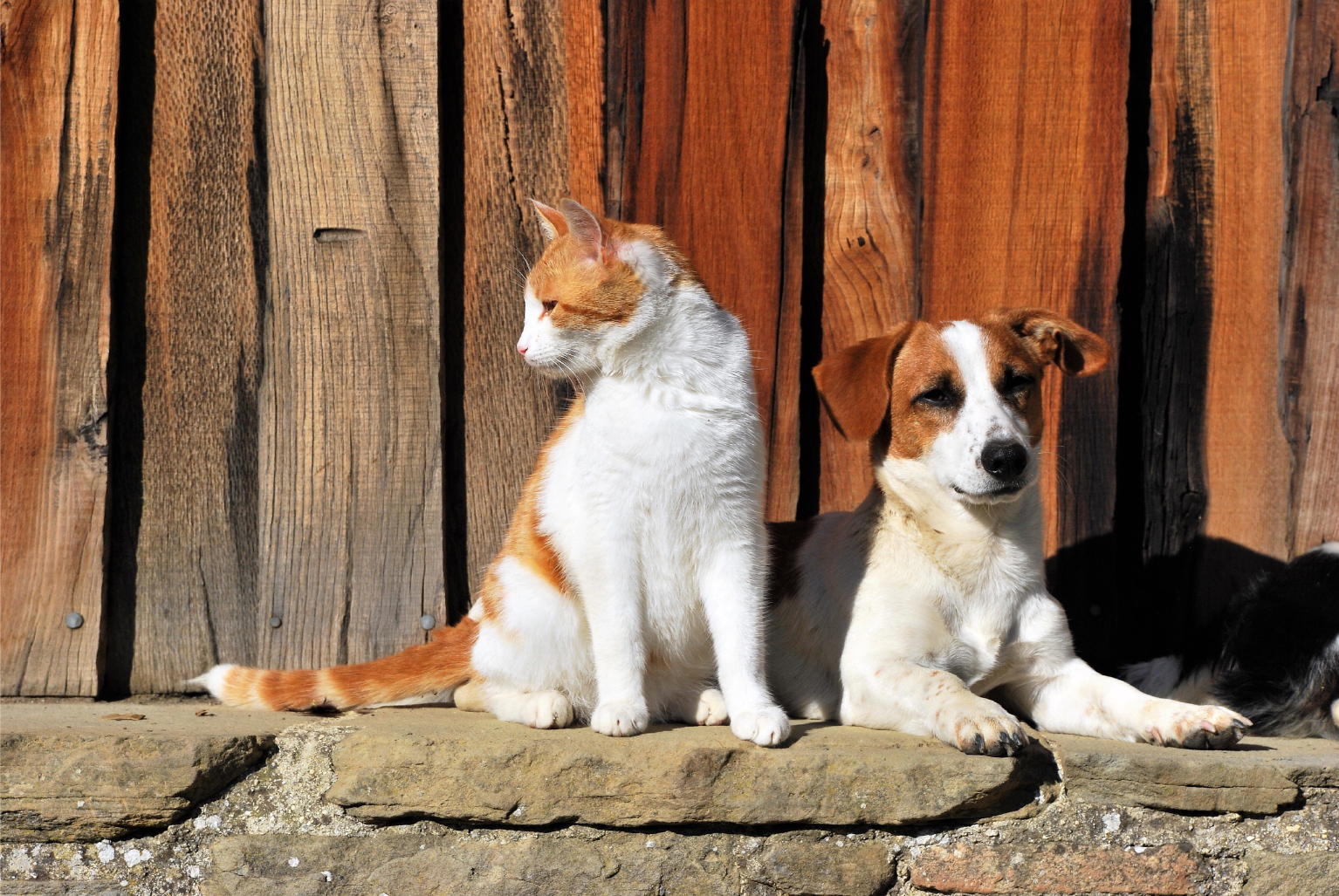
At Bull Mountain Veterinary Hospital, we provide an individualized spay consultation rather than automatically recommending the same schedule for every dog and cat. We will discuss the benefits, potential considerations, and appropriate timing for your pet.
Although spays are frequently described as routine procedures, they are still abdominal surgeries requiring general anesthesia, sterile technique, pain control, and postoperative monitoring. We treat them accordingly.
Dog and Cat Neuter Surgery
A neuter surgery removes the testicles of a male dog or cat. Neutering prevents reproduction and eliminates the risk of testicular cancer. It may also reduce certain hormonally influenced behaviors, although it should not be viewed as a guaranteed solution for every behavioral concern.
As with spaying, the best time to neuter may vary according to breed, size, lifestyle, medical history, and the owner’s goals. We will help you make an informed choice based on your individual animal rather than relying on a universal age recommendation.
Pets with retained testicles, also called cryptorchidism, require a more involved surgical procedure because one or both testicles may be located in the groin or abdomen. Retained testicles have an increased risk of developing disease and should generally be surgically removed.
Mass and Tumor Removal
Dogs and cats commonly develop lumps as they age. Some masses are benign and cause little concern. Others may grow, ulcerate, interfere with movement, become infected, or represent cancer. It is impossible to determine the identity of every lump by appearance or touch alone.
The evaluation of a mass may involve:
Physical examination
Measurement and monitoring
Fine-needle aspiration
Cytology
Biopsy
Surgical removal
Submission to a laboratory for histopathology
Additional imaging or staging tests when indicated
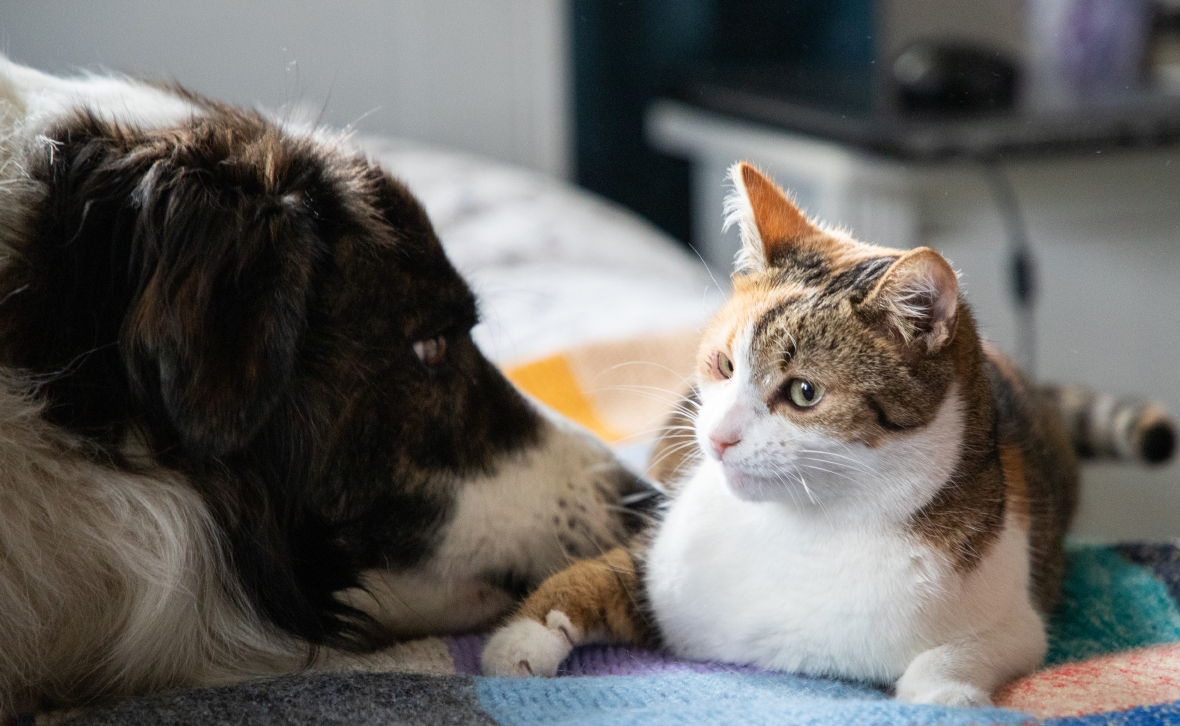
Our veterinarians commonly perform pet mass removals in Roundup, MT, including removal of many skin and subcutaneous masses. Surgical planning depends on the mass’s size, location, mobility, growth pattern, previous test results, and suspected biological behavior. Whenever appropriate, removed tissue may be submitted for histopathology. A laboratory pathologist can examine the tissue microscopically to identify what type of growth was removed, whether it appears benign or malignant, and whether abnormal cells extend to the surgical margins.
Removing a mass without testing it may eliminate the visible lump but leave important questions unanswered. We will discuss the value of laboratory analysis based on your pet’s circumstances.

Surgical Biopsies
When a mass or abnormal tissue cannot be fully identified through less-invasive testing, a veterinary surgical biopsy may be recommended. A biopsy removes part or all of an abnormal area for microscopic examination.
Common biopsy approaches include:
Incisional biopsy, in which a representative portion is removed
Excisional biopsy, in which the entire mass is removed
Skin biopsy
Organ or tissue biopsy performed during exploratory surgery
The best approach depends on the abnormality’s size, location, and suspected diagnosis. A biopsy can help guide future treatment and may prevent either undertreating an aggressive disease or performing an unnecessarily extensive procedure for a benign condition.
Laceration and Wound Repair
Cuts, punctures, bite wounds, fence injuries, and other traumatic wounds are common among active pets and animals living in rural environments.
Wounds that appear small at the surface may extend much farther beneath the skin.
Treatment may involve:
Careful examination for deeper injury
Pain medication and sedation or anesthesia
Clipping and thorough wound cleaning
Removal of contaminated or nonviable tissue
Surgical exploration
Drain placement
Layered closure
Bandaging
Antibiotics when medically indicated
Follow-up examinations and wound care
Not every wound should be immediately stitched closed. Heavily contaminated, infected, crushed, or delayed-presenting wounds may require drainage, staged treatment, or healing while partially open.
Current veterinary wound-care guidance emphasizes evaluating the whole patient, stabilizing injuries when necessary, providing pain relief, and assessing the full depth and extent of a wound before definitive closure.
Contact us promptly after a significant injury. Earlier evaluation can improve our ability to clean the wound, identify underlying damage, and choose the most appropriate treatment.
Foreign-Body and Exploratory Abdominal Surgery
Dogs and occasionally cats sometimes swallow objects that cannot pass safely through the digestive tract. Common examples include fabric, toys, bones, corn cobs, string, rocks, socks, and other household or outdoor materials.
Signs of a gastrointestinal obstruction may include:
Repeated vomiting
Loss of appetite
Abdominal pain
Lethargy
Diarrhea or reduced stool production
Dehydration
Restlessness
A hunched or guarded posture
When diagnostic testing indicates an obstruction or another serious abdominal problem, our veterinarians may perform foreign-body removal or exploratory abdominal surgery when the case is appropriate for our hospital.
During an exploratory procedure, the abdominal organs are examined directly. Depending on the findings, surgery may involve opening the stomach or intestine, removing an object, obtaining biopsies, repairing damaged tissue, or removing a nonviable section of intestine.
A gastrointestinal obstruction can become life-threatening if pressure, impaired blood flow, leakage, or perforation damages the intestinal wall. Persistent vomiting, abdominal pain, or suspected foreign-object ingestion should be evaluated promptly.
Bladder-Stone Surgery
Dogs and cats may develop mineral stones within the urinary bladder.
These stones can cause:
Bloody urine
Frequent urination
Straining
Pain
Urinary accidents
Recurrent urinary infection
Partial or complete urinary obstruction
Some bladder stones can be managed or dissolved with a prescription diet, depending on their suspected composition and the patient’s condition. Others require surgical removal through a procedure called a cystotomy.
During a cystotomy, the bladder is opened, the stones are removed, and the urinary tract is evaluated and flushed as appropriate. Stones may be submitted for laboratory analysis so that preventive recommendations can be based on their composition.
Surgery removes the existing stones, but long-term prevention may also require dietary management, increased water intake, treatment of urinary infection, and follow-up testing.
A pet that is repeatedly straining but producing little or no urine may have a urinary obstruction. This is an emergency and requires immediate veterinary attention.
Pyometra Surgery
Pyometra is a serious infection of the uterus that occurs in unspayed female dogs and cats. The uterus can fill with infected material, and bacteria or inflammatory toxins may enter the bloodstream.
Possible signs include:
Lethargy
Reduced appetite
Vomiting
Increased thirst or urination
Vaginal discharge
Abdominal enlargement
Weakness
Collapse
Some animals have a closed cervix and therefore show no visible discharge.
The standard treatment for most affected pets is emergency or urgent surgery to remove the infected ovaries and uterus, along with stabilization and supportive care. A pyometra surgery is considerably more complex than a routine spay because the patient may already be systemically ill and the infected uterus may be enlarged or fragile.
Prompt evaluation is critical. An unspayed female that becomes ill in the weeks following a heat cycle should be examined for possible pyometra.
Abscess Treatment and Surgical Drainage
An abscess is a pocket of infection that may develop after a bite, puncture, foreign object, or other injury. The external wound may close while bacteria and damaged tissue remain trapped underneath.
Treatment may require:
Sedation or anesthesia
Opening and draining the abscess
Removing dead or contaminated tissue
Thorough flushing
Drain placement
Pain medication
Antibiotics when indicated
Follow-up wound management
Simply giving antibiotics may not resolve a large, walled-off pocket of infection. Physical drainage and removal of unhealthy tissue may be necessary for healing.

Preparing Your Pet for Surgery
Every surgical plan begins with a preoperative assessment. This helps us identify health concerns, choose appropriate medications, and reduce avoidable risks.
Preparation may include:
Review of medical history and current medications
Complete physical examination
Pre-anesthetic bloodwork
Additional laboratory testing
Diagnostic imaging
Urinalysis
Stabilization of dehydration or illness
Fasting instructions
An individualized anesthetic and pain-control plan
Current veterinary anesthesia standards describe anesthesia as a process beginning before medications are administered and continuing through recovery and discharge. Recommended preparation includes patient evaluation, individual risk assessment, planning, monitoring, and close attention during the recovery period.
Preoperative testing does not eliminate every anesthetic risk, but it can reveal anemia, infection, dehydration, low platelets, organ dysfunction, electrolyte abnormalities, or other concerns that may change the plan.
Individualized Anesthesia and Monitoring
There is no single anesthetic protocol suitable for every patient. Medication choices and monitoring should account for the procedure, expected pain, age, temperament, breed, health history, and current medical status.
Depending on the procedure and patient, surgical care may include:
Pre-anesthetic medication
Intravenous catheter placement
Intravenous fluids when appropriate
Placement of a breathing tube
Oxygen and inhalant anesthesia
Active warming
Continuous patient observation
Monitoring of heart rate and rhythm
Blood-pressure monitoring
Oxygen-saturation monitoring
Carbon-dioxide monitoring
Respiratory monitoring
Temperature monitoring
Structured recovery observation
Monitoring should continue into recovery because an animal remains under the effects of anesthetic and pain medications after surgery has ended. Current anesthesia standards emphasize dedicated monitoring and preparation across the pre-anesthetic, anesthetic, and recovery phases to reduce preventable complications.
No veterinary team can honestly promise that anesthesia is risk-free. What we can promise is that your pet will be evaluated as an individual and that risks, benefits, and reasonable alternatives will be discussed.
Modern Pain Management
Pain control is not an optional extra. It is a fundamental part of responsible veterinary surgery.
Modern veterinary standards favor preemptive, multimodal pain management. This means addressing pain before it becomes severe and using more than one type of medication or technique when appropriate. Different treatments act at different points in the pain pathway, allowing us to provide more complete relief.
A surgical pain-control plan may include:
Preoperative pain medication
Opioid medication when indicated
Nonsteroidal anti-inflammatory medication when safe
Local anesthetic nerve blocks
Injectable or oral postoperative medication
Ice or other supportive measures when appropriate
Gentle handling and nursing care
Reassessment and adjustment of treatment
Current veterinary pain-management guidelines recommend a proactive, preemptive, multimodal approach rather than waiting for obvious suffering before treating pain.
Some pets show pain by crying or refusing to move, but others become quiet, restless, withdrawn, unusually clingy, aggressive, or reluctant to eat. We monitor for both obvious and subtle signs.
Sterile Technique and Infection Prevention
Preventing surgical infection involves far more than prescribing antibiotics. Appropriate patient preparation, sterile instruments, surgical hand preparation, protective equipment, careful tissue handling, environmental cleanliness, and postoperative incision care are all important.
Antibiotics are not automatically necessary after every clean surgery. Current antimicrobial-stewardship standards recognize that proper sterile technique and tissue handling often eliminate the need for preventive antibiotics in routine clean procedures such as uncomplicated spays and neuters. Unnecessary antibiotic use can expose patients to side effects and contribute to antimicrobial resistance.
When antibiotics are medically appropriate—such as for certain contaminated procedures, established infections, or selected high-risk cases—we use them based on the patient and procedure rather than as a substitute for proper surgical care.
Surgery for Senior Pets
Older pets often develop conditions that can be improved through surgery, including painful masses, infected teeth, bladder stones, or reproductive disease. Advanced age alone does not automatically mean that a pet cannot safely undergo anesthesia.
A senior pet’s candidacy depends more on overall health and the expected benefit of treatment than on the number of birthdays celebrated.
Evaluation may include:
Physical examination
Blood and urine testing
Blood-pressure assessment
Cardiac evaluation when indicated
Imaging
Review of medications and chronic disease
An individualized anesthetic plan
Additional warming and recovery support
Current senior-care standards emphasize individualized risk assessment and recognize that advanced age alone should not automatically exclude a patient from anesthesia or surgery when a procedure may improve health or quality of life.
The appropriate question is not simply, “Is my pet too old?” It is, “What are the risks of surgery compared with the risks of leaving this condition untreated?”
Individualized Anesthesia and Monitoring
Recovery continues after your pet leaves the hospital. Following discharge instructions closely helps protect the incision, control pain, and reduce complications.
Home-care instructions may include:
Keeping the incision clean and dry
Preventing licking or chewing
Using an Elizabethan collar or recovery garment
Restricting running, jumping, stairs, and rough play
Giving medications exactly as directed
Monitoring appetite, urination, bowel movements, and behavior
Returning for scheduled rechecks
Reporting concerning changes promptly
Contact us if you notice:
Persistent bleeding
An opening in the incision
Increasing redness, swelling, heat, or discharge
Repeated vomiting
Difficulty breathing
Severe pain or agitation
Collapse or profound weakness
Inability to urinate
A sudden decline in condition
A small amount of sleepiness or reduced appetite may occur after some procedures, but discharge instructions will explain what is expected for your pet and when to call.
Honest Surgical Recommendations
We understand that surgery can be stressful emotionally and financially. Our responsibility is to explain the situation clearly without pressuring you.
Before proceeding, we will discuss:
The suspected or confirmed diagnosis
Why surgery is being recommended
Reasonable alternatives when available
The likely consequences of delaying or declining treatment
Expected benefits
Important risks
Preoperative testing
Anticipated recovery
Estimated costs
The possibility of unexpected findings
Whether referral may be appropriate
Sometimes the right answer is surgery. Sometimes it is monitoring, medical management, further diagnostics, or referral. Our goal is to help you make an informed decision that reflects your pet’s medical needs and your family’s circumstances.
Veterinary Surgery for Roundup and Musselshell County
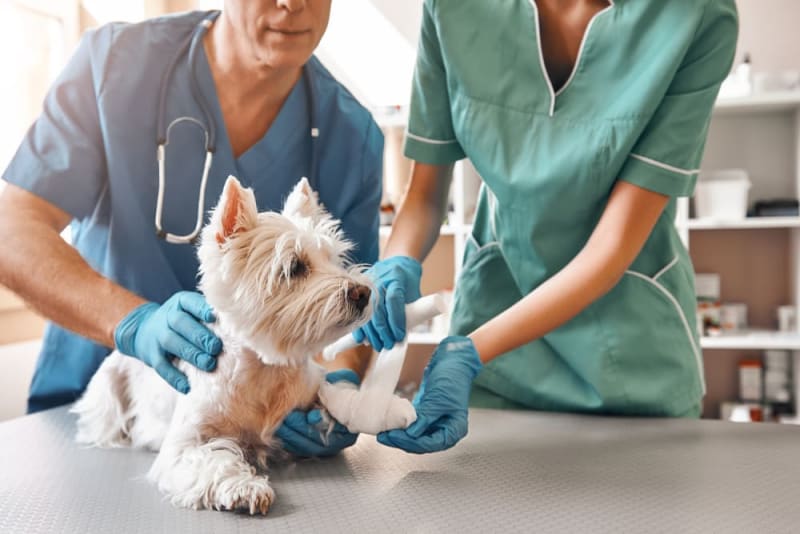
Pet owners should not have to travel unnecessarily for commonly performed soft-tissue procedures. Bull Mountain Veterinary Hospital is proud to provide dog and cat surgery in Roundup, MT, for families throughout Musselshell County and Central Montana.
From spays, neuters, mass removals, and biopsies to wound repair, bladder-stone surgery, foreign-body removal, and selected urgent procedures, our veterinary team provides thoughtful surgical care supported by modern anesthesia, monitoring, pain management, and honest communication.
When a case requires care beyond what can safely or appropriately be provided in our hospital, we will recommend referral. Keeping care local matters—but doing what is best for the patient matters more.
Have questions about your pet's health, our services, or what to expect during your visit?
We've answered some of the questions we hear most often from pet owners and livestock producers throughout Roundup and the surrounding communities.
If you don't find the answer you're looking for, our team is always happy to help.
Contact Bull Mountain Veterinary Hospital, and we'll be glad to answer your questions and help you determine the best care for your animal.
Veterinarian Surgery FAQs
1. What types of surgery does Bull Mountain Veterinary Hospital perform?
Common procedures include dog and cat spays and neuters, mass removals, biopsies, wound and laceration repair, abscess treatment, bladder-stone removal, pyometra surgery, foreign-body removal, exploratory abdominal surgery, and other selected soft-tissue procedures.
2. Is anesthesia safe for my pet?
No anesthetic procedure is completely risk-free. We reduce avoidable risk through a preoperative evaluation, individualized medication choices, airway management, monitoring, temperature support, and attentive recovery care.
3. Does my pet need bloodwork before surgery?
Pre-anesthetic bloodwork is commonly recommended because it can identify abnormalities that are not visible on examination. Recommendations depend on your pet’s age, health history, procedure, and current condition.
4. Will my pet receive pain medication?
Yes. Surgical patients receive an individualized pain-management plan. This may include preoperative medication, local anesthetics, injectable medications, anti-inflammatory medication when appropriate, and medication to continue at home.
5. Is my pet too old for surgery?
Age alone does not determine whether surgery is appropriate. We consider current health, diagnostic results, anesthetic risk, the condition being treated, and the likely effect on quality of life.
6. Why are antibiotics not prescribed after every surgery?
Clean procedures do not always benefit from antibiotics. Sterile technique, careful tissue handling, and proper incision care are often more important. Antibiotics are used when medically indicated rather than automatically.
7. What happens if our veterinary team finds something unexpected?
Whenever possible, we discuss potential findings and establish communication preferences before surgery. The appropriate response may involve proceeding with an authorized treatment, contacting you, stopping the procedure, or arranging referral depending on the circumstances.
8. How long will recovery take?
Recovery varies with the operation and the individual patient. Routine procedures may require approximately ten to fourteen days of activity restriction, while complex abdominal or wound procedures may require longer. You will receive instructions specific to your pet.
9. How do I schedule a surgical consultation?
Call Bull Mountain Veterinary Hospital at (406) 323-2345 to schedule a veterinary surgery consultation.
Call Bull Mountain Veterinary Hospital at (406) 323-2345 to schedule an appointment in Roundup, Montana.
Follow Us On Social Media


Quick Links
Have Questions?
Every pet is different, and every situation is unique. If you're unsure whether your pet needs to be seen or have questions about any of our services, please don't hesitate to contact our team.
Please Call: (406) 323-2345
Email: [email protected]
Business Hours
Monday - Friday: 8am - 5pm MST
Our Address
140 US-87 N.
Roundup, Montana
