
Equine Veterinary Services In Roundup, Montana | Bull Mountain Veterinary Hospital
Equine Veterinary Services
Trusted Care. Honest Communication. Compassionate Medicine.
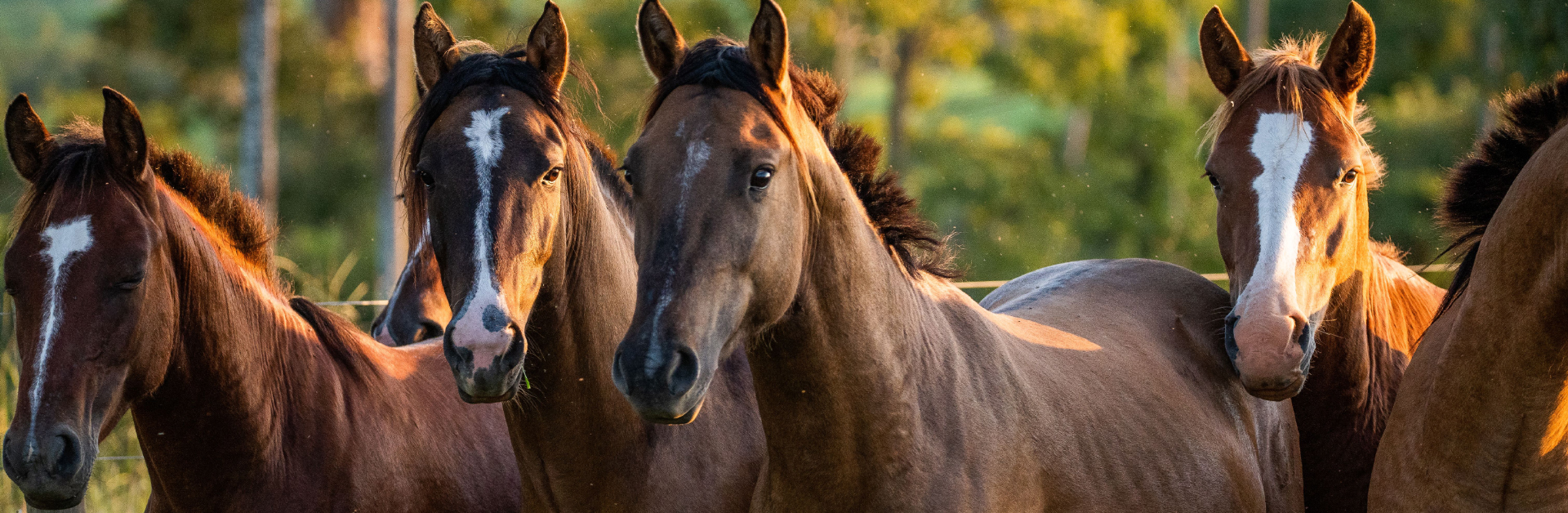
Proudly Serving Roundup, Montana & Surrounding Communities
Whether your horse spends long days gathering cattle, hauls to rodeos every weekend, carries your family down mountain trails, or has earned a quiet retirement after years of faithful work, they deserve veterinary care tailored to their individual needs.
Our veterinary team offers preventive medicine, diagnostics, dentistry, lameness evaluation, emergency care, and medical treatment built around one goal: keeping horses healthy, comfortable, and capable of doing the jobs their owners ask of them.
Horse medicine is different from caring for dogs and cats. Horses are athletes, livestock, companions, breeding animals, and working partners—all at the same time. A minor health problem that might inconvenience a pet can become career-ending for a performance horse or leave a ranch short of an essential working partner during branding or shipping season.
We also understand the realities of owning horses in Montana. Veterinary care often requires planning around weather, distance, pasture conditions, hauling, and safe handling facilities. Our recommendations are designed to be practical, evidence-based, and realistic for the way horse owners actually live and work.
Whether you own one retired gelding or a barn full of performance horses, we believe every horse deserves thoughtful veterinary care and every owner deserves honest communication.
We Understand Every Horse Has a Job
No two horses have the same purpose, and no two owners have exactly the same goals.
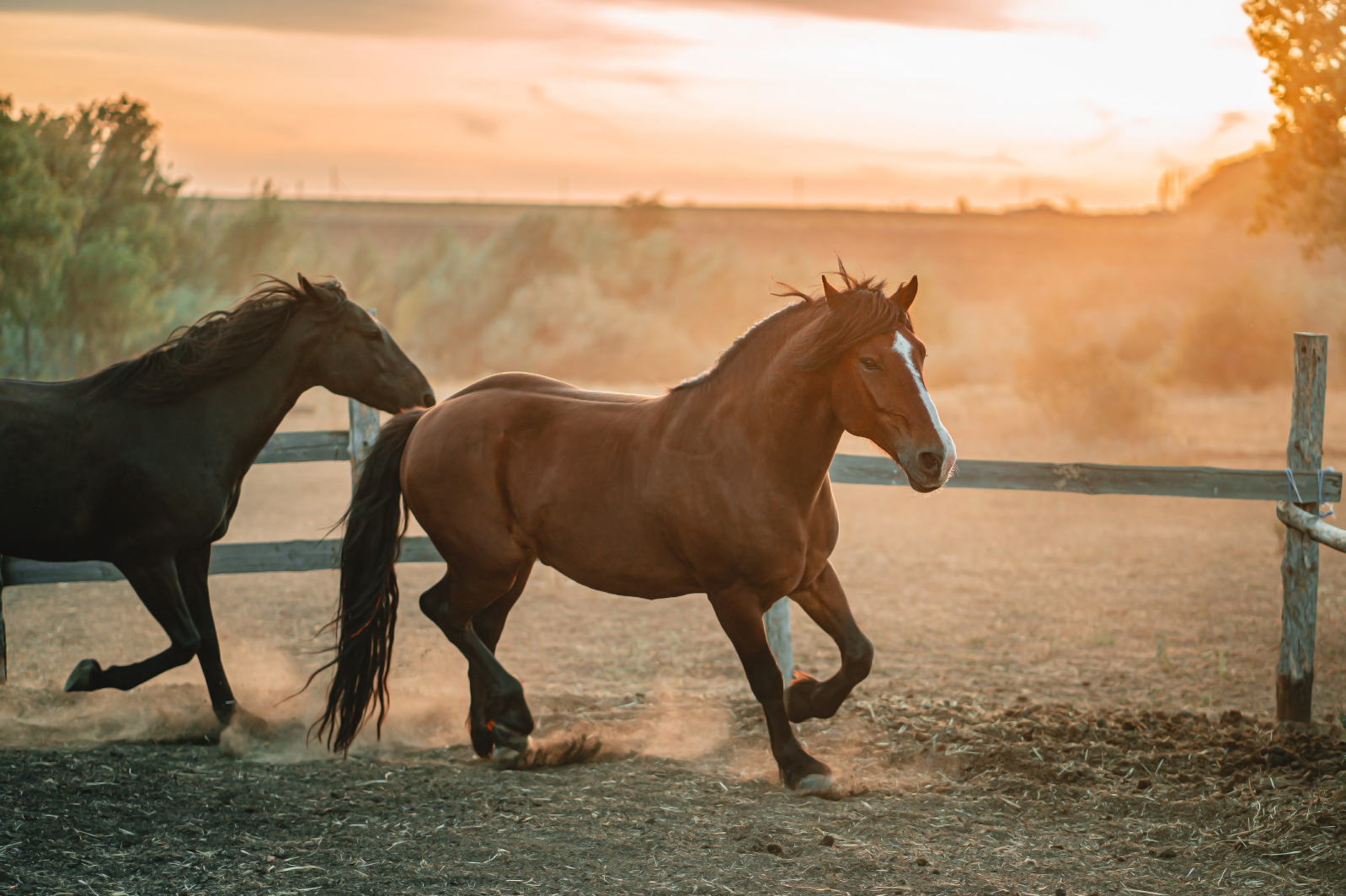
Some horses spend their lives gathering cattle across pastures. Others compete in barrel racing, team roping, ranch rodeos, cutting, reining, ranch versatility, dressage, eventing, endurance riding, or 4-H. Many are trusted trail horses, children's first mounts, or lifelong family companions. Some have earned retirement after decades of dependable work.
Regardless of their discipline, every horse depends on soundness, comfort, proper nutrition, preventive care, and attentive management.
Our veterinary team believes in treating the horse in front of us—not simply treating a diagnosis.
That means considering:
During a routine dog wellness exam or cat wellness exam, our veterinary team may evaluate:
Age
Breed
Intended use
Training schedule
Workload
Nutrition
Previous injuries
Medical history
Long-term goals
Owner expectations
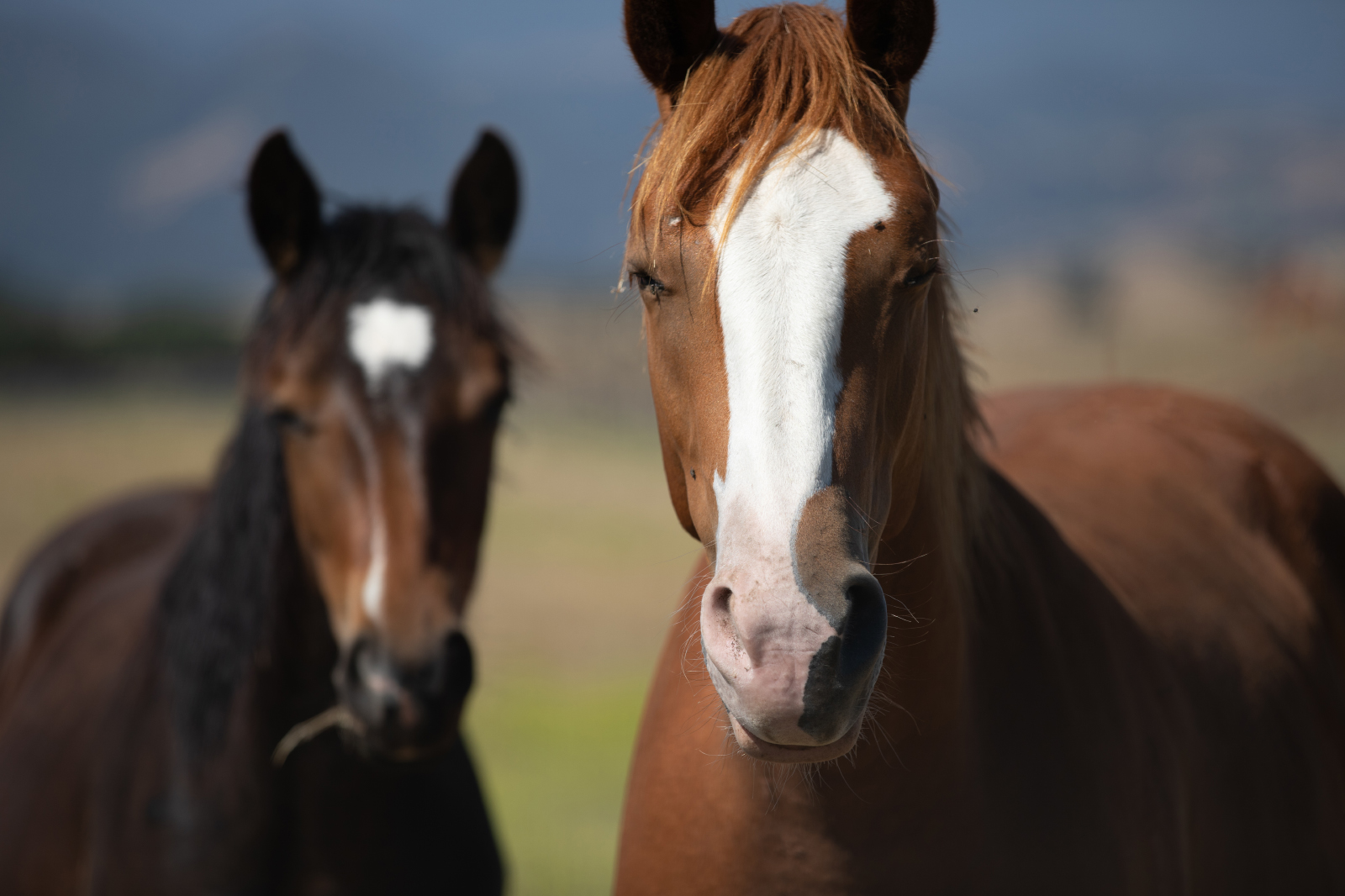
A ranch horse with mild arthritis may have different treatment priorities than a futurity prospect preparing for competition. A retired mare may need a completely different approach than a young performance gelding.
Our job is to explain the available options, discuss the benefits and limitations of each approach, and help owners choose a plan that best supports both the horse and the owner's goals.
Comprehensive Equine Services
Bull Mountain Veterinary Hospital provides a wide range of horse veterinary services including preventive care, diagnostics, medical treatment, and consultation.
Services may include:
Annual wellness examinations
Preventive health care
Vaccination programs
Coggins testing
Certificates of Veterinary Inspection (health certificates)
Dental examinations
Routine dental floating
Sedation for dental procedures
Lameness evaluations
Wound management
Eye examinations
Colic evaluation
Respiratory disease evaluation
Skin disease and allergy management
Parasite-control consultation
Fecal egg count testing
Nutrition and body-condition assessment
Castration
Pre-purchase consultations
Senior horse care
Chronic disease management
Pain management
Laboratory diagnostics
Referral coordination when advanced specialty care is indicated
Some advanced orthopedic surgery, MRI, nuclear scintigraphy, specialized reproductive procedures, intensive-care hospitalization, or other referral services may require coordination with an equine referral hospital. When referral offers the best opportunity for your horse, we will explain why and help coordinate continued care.
Annual Wellness Care
The healthiest horses are not necessarily the ones that never become sick.
They are often the horses whose problems are identified early—before subtle changes become emergencies.
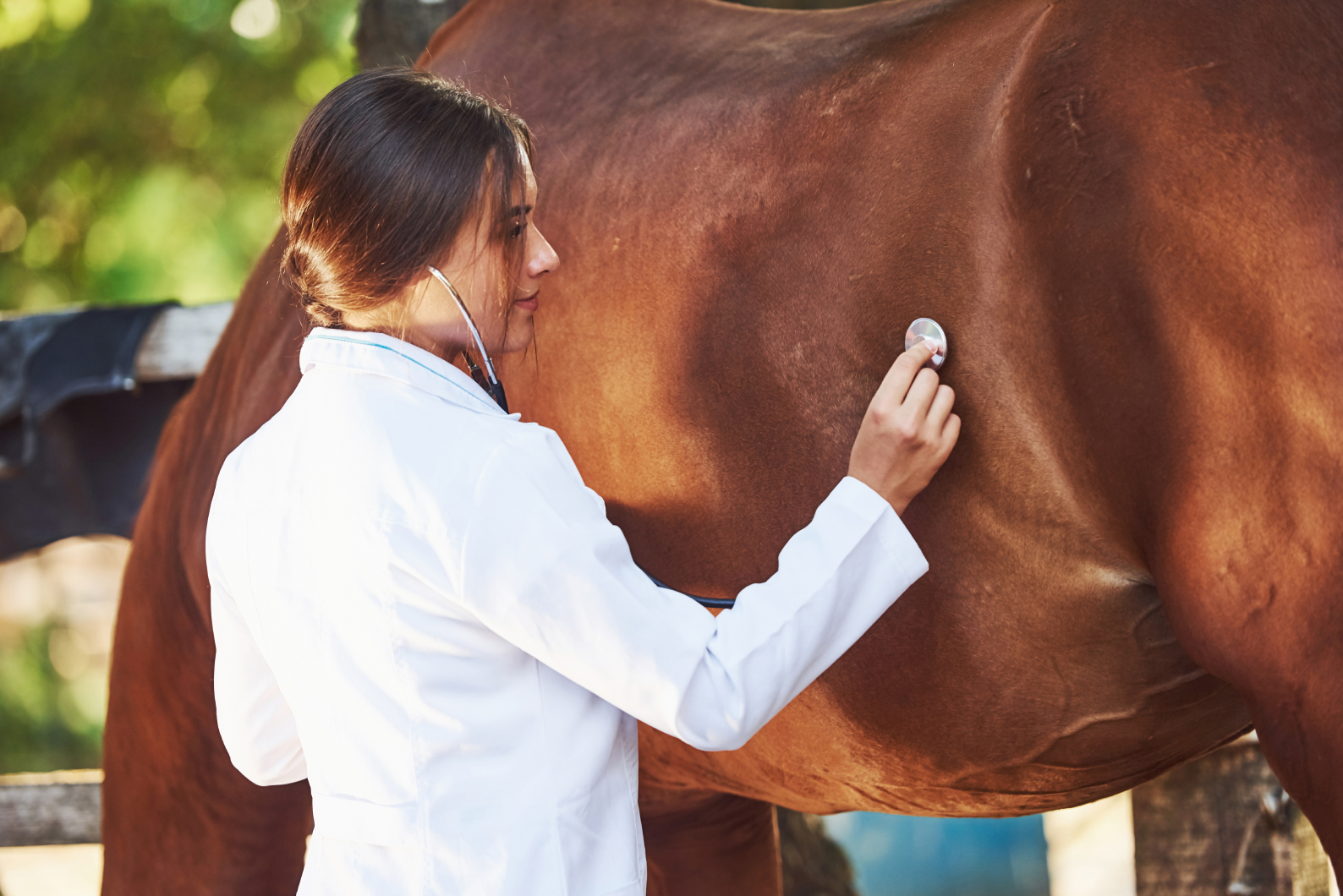
Routine wellness examinations allow veterinarians to monitor changes in body condition, weight, dental health, cardiovascular function, musculoskeletal soundness, vision, skin health, and overall performance over time.
Current recommendations emphasize that preventive care should be individualized according to the horse's age, geographic location, lifestyle, travel schedule, competition status, breeding use, and disease risk rather than relying on identical care for every horse.
A comprehensive wellness examination may include evaluation of:
Body weight and body condition
Muscle condition
Heart and lung function
Eyes
Oral cavity
Dental wear
Skin and coat
Hooves
Limb conformation
Joint health
Range of motion
Digital pulses
Hydration
Lymph nodes
Respiratory system
Gastrointestinal health
Reproductive health when appropriate
Neurologic function
Behavioral changes
Overall athletic soundness
How Often Should Horses Be Examined?
Many horse owners schedule veterinary visits only when vaccinations are due or a horse becomes obviously sick.
While annual examinations remain appropriate for many healthy adult horses, some horses benefit from more frequent evaluations.
Examples include:
Senior horses
Performance horses
Breeding horses
Horses with arthritis
Horses receiving long-term medication
Horses recovering from injury
Horses with endocrine disease
Horses experiencing repeated colic
Horses with chronic respiratory disease
Horses with recurrent lameness
Performance horses may benefit from regular examinations because subtle changes in movement, muscle development, or comfort often appear before obvious lameness develops.
Likewise, senior horses frequently develop gradual changes that owners may mistake for normal aging.
Routine examinations provide an opportunity to identify these changes while treatment options are often more effective.
Equine Vaccinations
Vaccination is one of the safest and most effective methods of preventing several serious equine diseases. However, not every horse requires the same vaccination schedule.
Current vaccination guidelines recommend developing vaccination programs based on each horse's individual risk factors rather than using a one-size-fits-all protocol.
Factors influencing vaccine recommendations include:
Age
Geographic location
Travel frequency
Boarding situation
Competition schedule
Exposure to outside horses
Breeding status
Mosquito exposure
Wildlife exposure
Local disease activity
Core Vaccinations
The AAEP currently recommends core vaccination against diseases that pose significant health risks to nearly all horses because of widespread exposure, severity of illness, or public-health importance.
Core vaccines generally include protection against:
Tetanus
Eastern Equine Encephalomyelitis (EEE)
Western Equine Encephalomyelitis (WEE)
West Nile Virus
Rabies
These diseases remain uncommon largely because vaccination has been successful—not because the organisms have disappeared.
For example:
Tetanus bacteria are commonly present in soil, and horses are particularly susceptible because even small puncture wounds can create the oxygen-poor environment required for infection.
Similarly, West Nile Virus and the equine encephalitides continue circulating in bird and mosquito populations throughout North America.
Vaccination dramatically reduces the likelihood of severe disease but cannot eliminate every risk. Maintaining an appropriate schedule remains the best preventive strategy.
Risk-Based Vaccinations
Some vaccines are recommended only when a horse's lifestyle or environment increases the likelihood of exposure.
Depending on the individual horse, these may include protection against:
Equine Influenza
Potomac Horse Fever
Rotavirus (breeding mares)
Not every horse requires every vaccine.
For example:
A retired horse living on a closed ranch with no outside horse contact generally has different vaccination needs than a barrel horse traveling across several states every summer.
Likewise, breeding operations may require additional reproductive vaccination strategies that are unnecessary for geldings or pleasure horses.
Our veterinarians will discuss:
Which vaccines are recommended
Why they are recommended
Which diseases they prevent
Booster timing
Potential risks and expected side effects
Vaccination decisions should always balance disease risk, expected benefit, previous vaccination history, and the individual horse's circumstances.
Coggins Testing and Health Certificates
Many horse owners travel for competitions, trail rides, breeding, sales, or relocation. Depending on where a horse is traveling, documentation may be required before movement.
A Coggins test screens for Equine Infectious Anemia (EIA), a viral disease transmitted primarily through blood-feeding insects and contaminated instruments. Horses infected with EIA remain infected for life, even if they appear healthy.
Many events, boarding facilities, rodeos, fairs, and interstate travel require proof of a negative Coggins test before a horse is allowed entry.
A Certificate of Veterinary Inspection (CVI)—commonly called a health certificate—may also be required when horses cross state lines or attend certain organized events.
Requirements vary depending on:
Destination state
Event regulations
Current disease outbreaks
Length of travel
Purpose of movement
Because regulations change periodically, we recommend contacting us well before your planned trip. This allows sufficient time for examination, testing, paperwork, and any required identification.
Equine Dentistry
Dental disease is one of the most common—and frequently overlooked—health problems in horses.
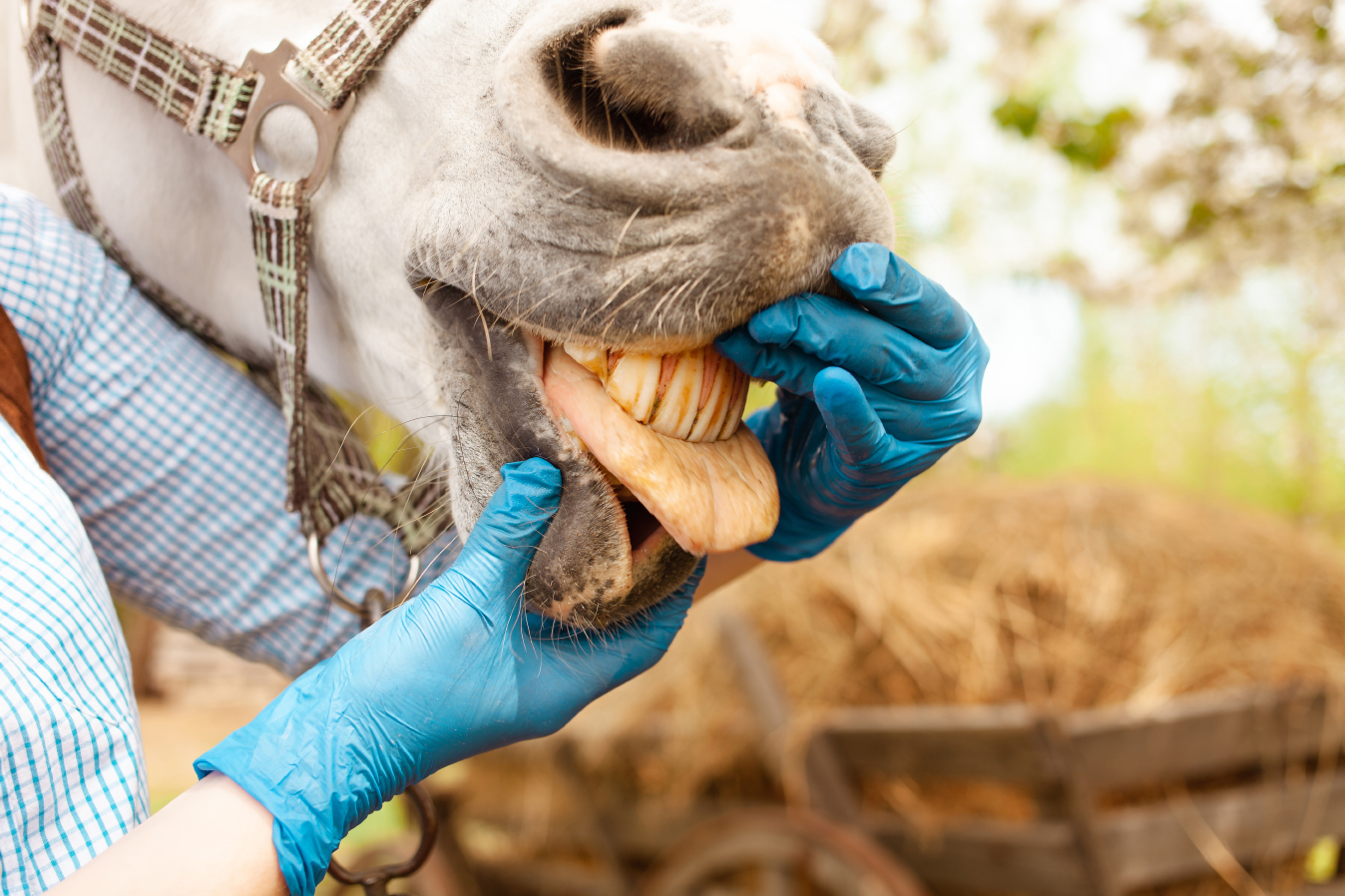
Unlike people, horses have continuously erupting teeth that wear throughout life. Small abnormalities in wear can gradually create sharp enamel points, uneven chewing surfaces, hooks, ramps, wave mouth, fractured teeth, periodontal disease, or other painful conditions.
Many horses continue eating despite significant dental discomfort, making routine examinations especially important.
Signs that may suggest dental disease include:
Dropping feed while chewing
Slow eating
Weight loss
Bad breath
Excessive salivation
Quidding (dropping partially chewed hay)
Difficulty accepting the bit
Head tossing
Resistance during riding
Facial swelling
Nasal discharge
Poor performance
Current recommendations support routine oral examinations performed with an appropriate full-mouth speculum and adequate visualization. Sedation is frequently recommended because it improves both safety and the quality of the examination for the horse, owner, and veterinary team.
Dental care may include:
Complete oral examination
Identification of abnormal wear
Dental floating
Removal of sharp enamel points
Reduction of hooks or ramps when appropriate
Evaluation for fractured teeth
Assessment for periodontal disease
Examination of soft tissues
Long-term dental planning
Young horses undergoing tooth eruption and older horses experiencing age-related dental changes often benefit from more frequent examinations than healthy middle-aged adults.
Routine dental care is not simply about smoothing teeth. Proper dental function supports efficient chewing, better digestion, improved body condition, greater comfort, and, in many riding horses, improved performance under saddle.
Modern Parasite Control
For decades, horse owners were encouraged to deworm every horse every six to eight weeks using a rotating schedule of different medications.
Current research has shown that this approach contributed to widespread parasite resistance and is no longer considered best practice.
Today's parasite-control recommendations emphasize targeted deworming based on:
Fecal egg count testing
Individual shedding status
Age
Pasture management
Herd size
Geographic region
Overall parasite risk
Many adult horses consistently shed relatively few parasite eggs, while a smaller percentage account for most pasture contamination. Identifying these horses allows treatment to be focused where it provides the greatest benefit.
A modern parasite-control program may include:
Fecal egg count testing
Strategic deworming
Monitoring treatment effectiveness
Pasture management recommendations
Manure management
Appropriate drug selection
Timing based on season and parasite biology
Foals, young horses, breeding animals, and horses with higher parasite burdens often require different management than healthy mature adults.
The goal is not to eliminate every parasite completely—which is neither practical nor biologically desirable—but to maintain healthy horses while slowing the development of drug resistance.
Nutrition and Body Condition
Nutrition affects every aspect of equine health, from growth and athletic performance to reproduction, immune function, wound healing, hoof quality, and healthy aging.
Body weight alone tells only part of the story.
A nutritional evaluation considers:
Body Condition Score
Muscle Condition Score
Age
Activity level
Forage quality
Concentrate intake
Access to pasture
Dental health
Water availability
Chronic medical conditions
Seasonal workload
An overweight horse is not necessarily healthy, just as a thin horse is not necessarily underfed.
Obesity increases the risk of several serious conditions, including Equine Metabolic Syndrome (EMS) and laminitis, while inadequate nutrition can reduce performance, impair immunity, delay wound healing, and contribute to muscle loss.
Performance horses, growing horses, breeding animals, senior horses, and easy keepers all have different nutritional requirements.
Our veterinarians can help evaluate your horse's current diet and recommend practical changes based on your horse's age, workload, body condition, and long-term health goals.
Lameness Evaluation
Few problems are more frustrating for horse owners than a horse that "just isn't moving right."
Whether you're riding mountain trails, gathering cattle, hauling to jackpots, or preparing for your next ranch rodeo, even mild lameness can affect your horse's comfort, performance, and long-term soundness.
Lameness is not a diagnosis—it is a clinical sign that something is causing pain or mechanical dysfunction within the musculoskeletal system.
Some horses become obviously three-legged lame overnight, while others simply begin refusing leads, shortening their stride, knocking barrels, missing stops, stumbling more frequently, or becoming unwilling to work.
Early evaluation often provides the greatest opportunity for successful treatment before small problems become chronic injuries.
Common Causes of Lameness
Lameness can originate almost anywhere within the horse's body.
Common causes include:
Hoof abscesses
Sole bruises
Laminitis
Navicular syndrome
Tendon injuries
Suspensory ligament injuries
Joint inflammation
Osteoarthritis
Hoof cracks
Foot imbalance
Muscle strain
Fractures
Splints
Wounds
Cellulitis
Foot rot-like infections
Shoulder injuries
Pelvic injuries
Back pain
Neurologic disease
Sometimes multiple problems occur simultaneously, particularly in older horses or horses with long athletic careers.
Signs Your Horse May Be Lame
Not every lame horse is dramatically limping.
Owners often notice subtle changes long before obvious lameness develops.
Common signs include:
Shortened stride
Head bobbing
Reluctance to move forward
Stiffness after rest
Difficulty picking up a lead
Refusing jumps
Missing barrels
Poor stopping
Resistance under saddle
Swishing the tail
Pinning the ears during work
Frequent stumbling
Uneven hoof wear
Changes in attitude
Reduced performance
Difficulty turning
Reluctance to travel downhill
Reduced willingness to collect
Performance horses often compensate remarkably well, masking discomfort until the injury becomes more advanced.
Our Lameness Examination
Every horse is different.
Our goal is not simply to identify which leg hurts, but to determine why.
A lameness evaluation may include:
Thorough medical history
Review of recent work or competition
Observation at rest
Body condition evaluation
Hoof inspection
Limb palpation
Joint examination
Tendon evaluation
Hoof tester examination when indicated
Gait evaluation
Walking assessment
Trotting assessment
Turning evaluation
Flexion tests when appropriate
Neurologic assessment if indicated
Depending on examination findings, additional diagnostics may be recommended.
These may include:
Digital radiographs (X-rays)
Laboratory testing
Joint fluid analysis
Referral imaging such as MRI, CT, or nuclear scintigraphy
Not every horse requires advanced imaging. Often, a careful history and physical examination provide valuable information that helps guide treatment while avoiding unnecessary expense.
Working With Your Farrier
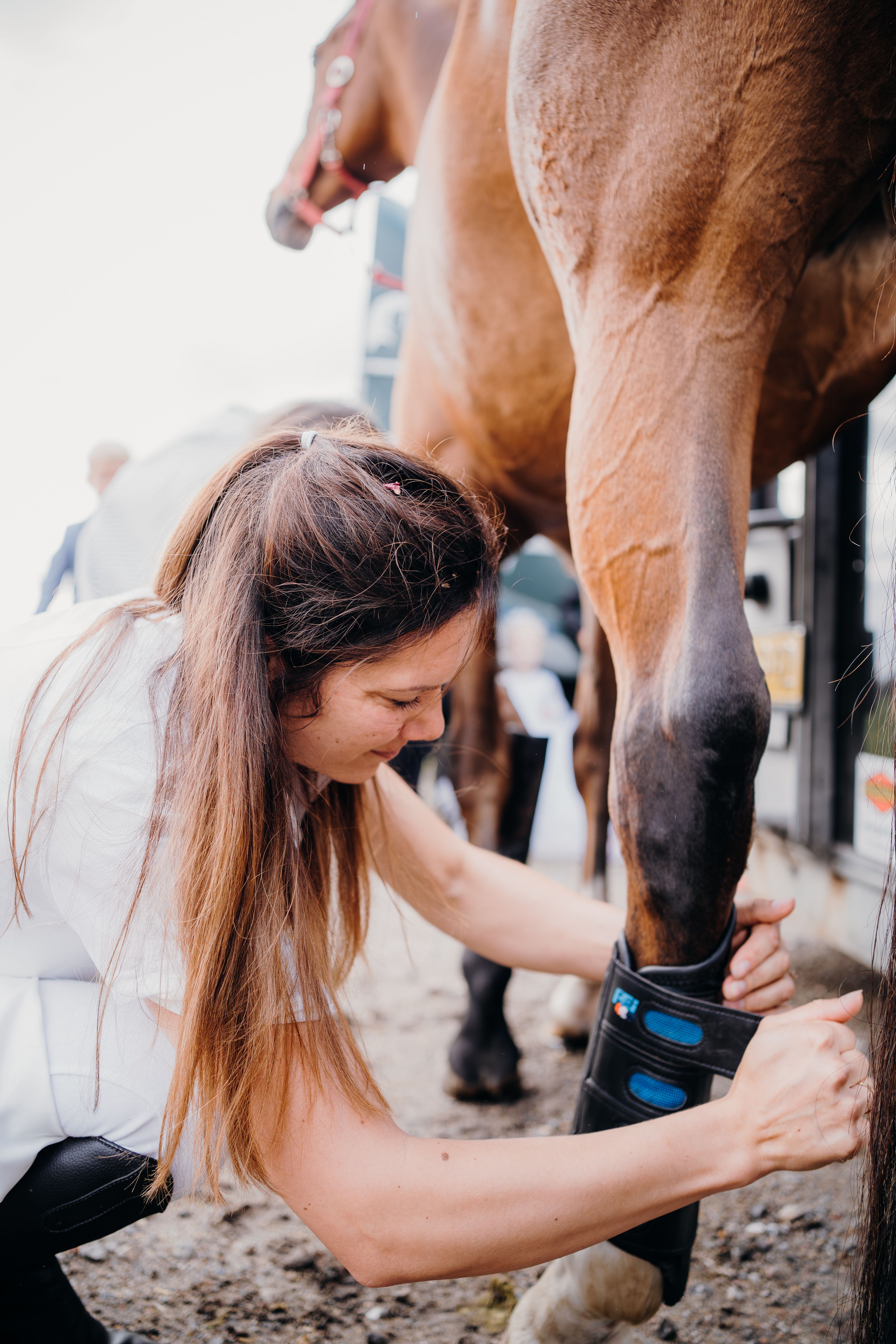
Successful lameness treatment often requires a team approach. Veterinarians and farriers each bring specialized knowledge that complements the other. Many orthopedic problems benefit from coordinated care involving:
Corrective trimming
Therapeutic shoeing
Hoof balance
Breakover modification
Heel support
Frog support
Controlled exercise
Medical management
We value collaborative relationships with experienced farriers and believe communication between the veterinary team and your farrier often produces the best outcome for the horse. If you need a recommendation for a farrier, contact us and we will get you referred.
Hoof Problems
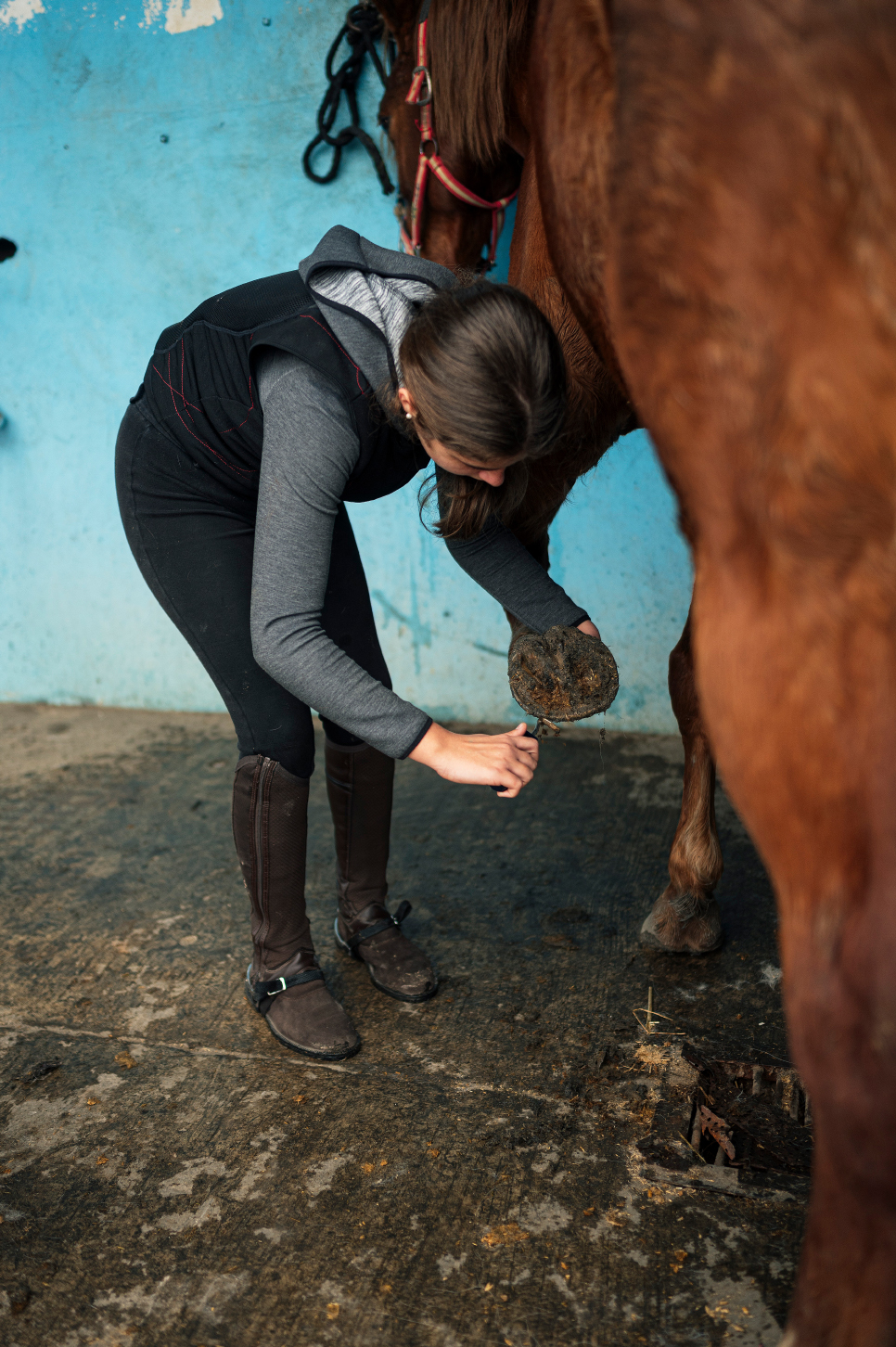
The old saying "No Foot, No Horse" has endured for centuries because it remains remarkably accurate. The hoof is an incredibly complex structure designed to absorb tremendous forces while supporting a thousand-pound athlete.
Even relatively small hoof problems can significantly affect comfort and performance.
Common Hoof Conditions
Our veterinarians evaluate a variety of hoof problems, including:
Hoof abscesses
Sole bruising
Hoof wall cracks
White line disease
Laminitis
Thrush
Puncture wounds
Hoof capsule injuries
Lost shoes
Nail injuries
Bruised frogs
Foreign body penetration
Sometimes multiple problems occur simultaneously, particularly in older horses or horses with long athletic careers.
Hoof Abscesses
Hoof abscesses are among the most common causes of sudden, severe lameness.
Owners frequently report that the horse appeared normal one day and was barely willing to bear weight the next.
An abscess develops when infection becomes trapped inside the hoof capsule, creating pressure within tissue that has very little room to expand.
Typical signs include:
Sudden severe lameness
Increased digital pulse
Warm hoof
Pain with hoof testers
Reluctance to bear weight
Treatment generally focuses on:
Identifying the abscess
Establishing drainage when appropriate
Protecting the foot
Pain management
Monitoring healing
Many uncomplicated abscesses improve dramatically once adequate drainage is established.
Laminitis
Laminitis is one of the most serious conditions affecting horses. It occurs when the sensitive laminae that suspend the coffin bone inside the hoof become inflamed and damaged. Without prompt treatment, this damage may allow the coffin bone to rotate or sink within the hoof capsule. Laminitis should always be considered an emergency.
Risk factors include:
Equine Metabolic Syndrome
PPID (Equine Cushing's Disease)
Grain overload
Obesity
Severe systemic illness
Retained placenta
Certain medications
Excess carbohydrate intake
Owners should seek immediate veterinary care if a horse develops:
Reluctance to walk
Characteristic "rocked back" stance
Increased digital pulses
Heat in multiple feet
Pain while turning
Frequent shifting of weight
Treatment varies according to the underlying cause but often includes:
Pain management
Hydrotherapy when appropriate
Dietary modification
Hoof support
Therapeutic shoeing or trimming
Stall rest
Management of underlying endocrine disease
The sooner treatment begins, the greater the opportunity to minimize permanent damage.
Tendon and Ligament Injuries
Soft tissue injuries are particularly common in athletic horses.
Barrel horses, rope horses, reiners, eventers, jumpers, endurance horses, ranch horses, and trail horses all place tremendous stress on tendons and ligaments.
Unlike many muscle injuries, tendon damage often heals slowly because these tissues receive relatively limited blood supply.
Signs of Tendon Injury
Owners may notice:
Swelling
Heat
Pain during palpation
Lameness
Thickened tendons
Reduced performance
Reluctance to work
Sometimes the injury develops gradually rather than following one obvious traumatic event.
Diagnosis
Evaluation may include:
Complete physical examination
Palpation
Lameness examination
Radiographs when indicated
Rehabilitation
One of the most common mistakes following tendon injury is returning a horse to work too quickly.
Even when the horse appears sound, tendon fibers may still be remodeling.
Treatment plans frequently include:
Controlled exercise
Progressive rehabilitation
Anti-inflammatory therapy
Bandaging when indicated
Cold therapy
Follow-up examination
Therapeutic shoeing when appropriate
Successful rehabilitation often requires patience measured in months rather than weeks.
Returning to athletic work before adequate healing substantially increases the likelihood of reinjury.
Wound Care
Horse owners quickly learn that horses have an incredible ability to find creative ways to injure themselves.
Cuts from wire, trailer accidents, kicks, fencing, tree branches, gates, and pasture hazards are all common reasons for emergency veterinary visits.
Fortunately, many wounds heal well when evaluated promptly.
Why Horses Are Different
Compared with many other species, horses face unique challenges during wound healing. Factors that may complicate healing include:
Constant limb motion
Limited soft tissue over joints
Lower limb swelling
High contamination rates
Proud flesh formation (granulation tissue)
Large skin defects
Delayed treatment
Even wounds that appear superficial may penetrate tendons, joints, tendon sheaths, or important blood vessels.
Wounds That Need Immediate Veterinary Care
Seek prompt evaluation if your horse has:
Heavy bleeding
Deep puncture wounds
Wounds over joints
Tendon exposure
Bone exposure
Large skin flaps
Eye injuries
Chest wounds
Abdominal wounds
Hoof punctures
Significant contamination
Lameness following injury
Time matters. Some wounds suitable for primary closure shortly after injury become poor candidates for suturing once contamination and tissue damage increase.
Our Wound Evaluation
Treatment depends on the location, depth, contamination, and structures involved. Care may include:
Sedation
Pain management
Clipping surrounding hair
Thorough cleaning
Lavage
Debridement
Exploration of deeper structures
Suturing when appropriate
Bandaging
Antibiotics when medically indicated
Tetanus prophylaxis
Follow-up care
Not every wound should be closed. Some contaminated injuries heal more successfully when managed as open wounds with careful bandaging and monitoring.
Proud Flesh
One challenge unique to horses is exuberant granulation tissue, commonly known as proud flesh. Proud flesh occurs when healing tissue grows beyond the level of the surrounding skin, preventing normal skin closure. It is especially common on the lower limbs where there is little soft tissue coverage. Treatment depends on:
Wound location
Degree of tissue overgrowth
Presence of infection
Movement
Bandage management
Early veterinary involvement may reduce complications and improve cosmetic and functional outcomes.
Eye Problems
A horse's eyes are remarkably sensitive. Even relatively minor eye injuries can become vision-threatening if left untreated. For this reason, any painful eye should be considered urgent until proven otherwise
Common Equine Eye Conditions
Our veterinarians evaluate horses for conditions including:
Corneal ulcers
Foreign bodies
Trauma
Conjunctivitis
Uveitis (moon blindness)
Eyelid lacerations
Excessive tearing
Squamous cell carcinoma
Many eye diseases appear similar during the early stages, making examination particularly important.
Signs of Eye Disease
Owners should contact a veterinarian if they notice:
Squinting
Excessive tearing
Swelling
Cloudiness
Redness
Blue appearance of the corner
Yellow or green discharge
Light sensitivity
Rubbing the eye
Difficulty opening the eye
Changes in vision
Eye pain can progress rapidly. Delaying treatment—even for one day—may significantly worsen the prognosis for certain conditions.
Corneal Ulcers
Corneal ulcers are among the most common equine eye emergencies. They may result from:
Hay
Branches
Wire
Dust
Foreign bodies
Self-trauma
Poor eyelid function
Although some ulcers are superficial, others may become infected or deepen rapidly. Evaluation may include:
Sedation when needed
Complete ophthalmic examination
Fluorescein staining
Tear production assessment
Examination for foreign material
Treatment depends on the underlying cause and severity.
Never place leftover steroid eye medications into a painful eye unless specifically directed by a veterinarian. Steroids can dramatically worsen certain corneal ulcers and may threaten the horse's vision.
Equine Recurrent Uveitis
Equine Recurrent Uveitis (ERU), often called moon blindness, is one of the leading causes of blindness in horses. ERU involves repeated episodes of inflammation inside the eye.
Signs may include:
Squinting
Tearing
Cloudiness
Light sensitivity
Small pupil
Recurrent eye pain
Early treatment is essential to reduce inflammation, preserve vision, and improve long-term comfort. Because ERU frequently recurs, many horses require long-term management rather than one-time treatment.
Colic in Horses
Few words create more anxiety for horse owners than colic.
Colic simply means abdominal pain, not a specific disease. It is one of the most common medical emergencies in horses and can range from mild intestinal spasms that resolve with medical treatment to life-threatening conditions requiring emergency surgery.
Every episode of colic should be taken seriously.
Although many horses recover completely with prompt veterinary care, delaying evaluation can allow certain conditions to progress rapidly and reduce the chances of a successful outcome.
At Bull Mountain Veterinary Hospital, our veterinarians work with horse owners throughout Roundup, Musselshell County, and Central Montana to evaluate horses experiencing signs of abdominal pain, determine the most likely cause, provide appropriate treatment when possible, and recommend referral when advanced surgical care offers the best chance for recovery.
Why Horses Develop Colic
The equine digestive system is remarkable but also unusually susceptible to problems.
A horse's gastrointestinal tract is extremely long and includes several areas where feed material must make sharp turns or pass through relatively narrow openings.
Unlike people, horses cannot vomit to relieve pressure within the stomach, and portions of the intestinal tract are only loosely attached within the abdomen, allowing sections of bowel to occasionally twist or become displaced.
Because of this unique anatomy, many different disorders can produce similar outward signs of abdominal pain.
Common causes include:
Gas accumulation
Spasmodic colic
Feed impactions
Sand accumulation
Large colon displacement
Colon torsion
Small intestinal obstruction
Enteritis
Gastric ulcers
Parasites
Sudden dietary changes
Dehydration
Dental disease leading to poor chewing
Ingestion of foreign material
Certain toxic plants
Complications following foaling
Some cases are mild and respond well to medical management. Others require emergency surgery, and unfortunately, some become life-threatening despite appropriate treatment.
Recognizing the Signs of Colic
Not every horse experiencing colic throws itself to the ground. Some horses exhibit only subtle behavioral changes early in the course of disease.
Common signs include:
Pawing
Looking at the flank
Stretching repeatedly
Lying down more frequently
Rolling
Repeatedly getting up and down
Refusing feed
Depression
Sweating
Increased heart rate
Reduced manure production
Little or no manure
Dry manure
Repeated attempts to urinate
Kicking at the abdomen
Distended abdomen
Teeth grinding
Some horses become unusually quiet, while others become violently painful.
The severity of outward signs does not always correspond to the seriousness of the underlying condition.
When Colic Becomes an Emergency
Horse owners should contact a veterinarian immediately if a horse:
Rolls violently
Cannot be kept safely standing
Has persistent pain despite walking
Shows repeated episodes of severe pain
Has a markedly elevated heart rate
Produces no manure
Has abdominal distension
Appears weak or unable to stand
Develops dark or congested gums
Becomes progressively worse
These signs may indicate conditions requiring immediate intervention or referral.
What Happens During a Colic Examination?
Every horse is different, and no single test can diagnose every cause of colic.
Our veterinarians begin by obtaining a detailed history, including:
Onset of signs
Recent feeding changes
Water consumption
Manure production
Deworming history
Previous colic episodes
Recent travel
Medication history
Exercise history
The physical examination may include assessment of:
Heart rate
Respiratory rate
Temperature
Hydration
Mucous membrane color
Capillary refill time
Gut sounds
Abdominal distension
Pain level
Digital pulses when appropriate
Depending on the individual horse, additional diagnostics may include:
Nasogastric intubation
Rectal examination
Blood work
Ultrasound
Not every horse requires every diagnostic test. Recommendations are tailored to the horse's condition and the most likely causes identified during the examination.
Medical Management
Many cases of uncomplicated colic respond well to medical treatment.
Treatment may include:
Pain control
Anti-inflammatory medications
Intravenous fluids
Oral fluids when appropriate
Electrolyte therapy
Controlled exercise
Nasogastric decompression
Dietary modification
Even horses that initially improve require close observation because some conditions can worsen over time.
When Surgery Is Necessary
While most episodes of colic do not require surgery, some intestinal conditions cannot be corrected medically. Referral for emergency surgery may be recommended when examination findings suggest:
Intestinal torsion
Strangulating obstruction
Severe displacement
Persistent uncontrolled pain
Progressive cardiovascular compromise
Significant gastric reflux
Evidence of intestinal devitalization
Although surgery is a major undertaking, prompt referral can be lifesaving for carefully selected patients.
If referral appears to offer the best chance of success, we will discuss the reasons for our recommendation and help coordinate transportation and communication with the referral hospital.
Can Colic Be Prevented?
Unfortunately, no prevention strategy eliminates every risk. However, horse owners can reduce the likelihood of many common forms of colic by:
Providing consistent access to clean water
Feeding high-quality forage
Making dietary changes gradually
Maintaining routine dental care
Following modern parasite-control recommendations
Encouraging regular exercise
Avoiding sudden management changes whenever possible
Monitoring manure production
Scheduling routine wellness examinations
While some episodes remain unavoidable, attentive management reduces many known risk factors.
Respiratory Disease
Healthy lungs are essential for every horse, whether gathering cattle or competing in weekend rodeos.
Respiratory disease affects horses of all ages and can reduce athletic performance, increase fatigue, delay recovery from exercise, and in severe cases become life-threatening.
Signs of Respiratory Disease
Owners should seek veterinary evaluation if their horse develops:
Persistent coughing
Nasal discharge
Increased respiratory effort
Fever
Exercise intolerance
Decreased appetite
Lethargy
Enlarged lymph nodes
Noisy breathing
Early diagnosis often improves both treatment success and helps reduce disease transmission to other horses.
Biosecurity Matters
Respiratory diseases spread rapidly where horses congregate.
Horse owners should isolate horses showing signs of illness whenever possible and avoid sharing:
Water buckets
Feed tubs
Grooming equipment
Tack
Thermometers
Good biosecurity protects not only your own horses but neighboring barns and the larger equine community.
Equine Cushing's Disease (PPID)
Pituitary Pars Intermedia Dysfunction (PPID)—commonly called Equine Cushing's Disease—is one of the most frequently diagnosed endocrine disorders affecting older horses. Fortunately, modern treatment has dramatically improved quality of life for many affected horses.
What Is PPID?
PPID develops when changes within the pituitary gland cause excessive hormone production. Although the disease becomes more common with age, it should not be considered a normal part of aging. Early recognition allows treatment before serious complications develop.
Signs of PPID may include:
Long curly hair coat
Delayed shedding
Muscle loss
Weight loss
Pot-bellied appearance
Increased drinking
Increased urination
Reduced athletic performance
Recurrent infections
Chronic hoof abscesses
Laminitis
Lethargy
Not every horse develops every sign.
Some horses initially show only subtle changes.
Diagnosis
Diagnosis generally combines:
Physical examination
Medical history
Blood testing
Evaluation for concurrent disease
Treatment
Many horses respond well to:
Prescription medication
Dietary management
Routine dental care
Hoof care
Regular monitoring
Management of concurrent disease
Equine Metabolic Syndrome (EMS)
Equine Metabolic Syndrome has become increasingly common as horses spend more time on calorie-rich diets while performing less work than their ancestors. EMS increases the risk of one of the most devastating equine diseases: laminitis.
Risk Factors
Higher-risk horses include:
Easy keepers
Ponies
Morgans
Arabians
Mustangs
Draft crosses
Horses carrying excess body fat
Characteristic fat deposits may develop:
Along the crest of the neck
Behind the shoulders
Around the tailhead
Above the eyes
Because every horse's metabolism differs, management plans should be individualized rather than relying on internet recommendations alone.
Diagnosis
Evaluation may include:
Body Condition Score
Cresty Neck Score
Blood testing
Dietary assessment
Medical history
Management
Treatment focuses on:
Weight reduction
Controlled exercise
Low non-structural carbohydrate diets
Grazing management
Regular monitoring
Prevention of laminitis
Skin Conditions
Healthy skin provides the horse's first line of defense against the environment. Skin disease may be uncomfortable, reduce performance, and occasionally indicate underlying systemic illness. Our veterinarians evaluate conditions including:
Rain rot
Ringworm
Allergic dermatitis
Hives
Bacterial skin infections
Fungal infections
Sarcoids
Melanomas
Scratches
Wounds that fail to heal
Some skin diseases spread between horses, while others result from allergic reactions, parasites, environmental conditions, or immune-mediated disease.
Accurate diagnosis is important because treatments differ considerably between conditions that may appear very similar.
Senior Horse Care
Advances in veterinary medicine, nutrition, dentistry, and parasite control allow more horses than ever before to enjoy long, healthy lives.
A horse reaching its twenties or even thirties is no longer unusual. Older horses deserve individualized care focused on maintaining comfort, mobility, body condition, and quality of life.
Common Age-Related Conditions
Senior horses become more susceptible to:
Arthritis
PPID
Equine Metabolic Syndrome
Dental disease
Weight loss
Muscle loss
Cataracts
Reduced immune function
Chronic respiratory disease
Many of these conditions develop gradually and may initially be mistaken for "just getting old."
Wellness for Senior Horses
Senior wellness visits may include:
Complete physical examination
Body Condition Score
Muscle Condition Score
Dental & Hoof evaluation
Blood work
Endocrine screening
Nutrition assessment
Pain evaluation
Medication review
Routine monitoring allows subtle changes to be identified before they become major health problems.
Helping Horses Age Comfortably
The goal of senior care is not simply to extend life but to preserve quality of life.
Many older horses continue trail riding, light ranch work, or simply enjoying retirement with excellent quality of life when chronic conditions are recognized early and managed appropriately.
With thoughtful nutrition, regular hoof care, dental maintenance, pain management, and individualized medical care, many horses remain comfortable companions well into their senior years.
Castration (Gelding)
Castration is one of the most common surgical procedures performed in equine medicine. While the procedure is often routine, it is still surgery and deserves careful planning, appropriate pain management, and proper aftercare.
For many horses, gelding offers behavioral and management advantages while eliminating the risk of unwanted breeding.
The ideal timing for castration varies depending on the horse's age, intended use, temperament, and individual circumstances.
Our veterinarians can discuss the benefits and considerations of gelding to help owners determine the most appropriate timing.
Reasons Owners Choose to Geld a Horse
Horse owners elect to geld horses for many reasons, including:
Improved manageability
Reduced stallion-related behaviors
Easier herd integration
Prevention of unwanted breeding
Improved safety around handlers
Simplified boarding and transportation
Focus during training and competition
Not every colt should necessarily be gelded at the same age, and breeding decisions should always consider genetics, temperament, athletic ability, conformation, and long-term goals.
The Procedure
Prior to surgery, your horse receives a physical examination to determine whether he is an appropriate candidate for the procedure. Depending on the individual horse, castration may include:
Physical examination
Sedation
Local anesthesia
Sterile surgical preparation
Pain management
Post-operative monitoring
Detailed aftercare instructions
The exact surgical approach depends on the horse's age, anatomy, and medical history.
Recovery
Most horses recover uneventfully with appropriate aftercare. Owners should monitor for:
Excessive swelling
Persistent bleeding
Fever
Depression
Reduced appetite
Difficulty walking
Abnormal discharge
Following your veterinarian's exercise recommendations and incision care instructions plays an important role in minimizing complications and promoting healing.
Before the Veterinarian Arrives
While waiting for veterinary assistance, owners should prioritize safety for both themselves and the horse. General recommendations include:
Keep the environment calm.
Prevent additional injury.
Remove access to feed if colic is suspected unless instructed otherwise.
Avoid administering medications without veterinary direction.
Have recent medical history and medications available.
If possible, prepare a safe, well-lit working area.
Avoid placing yourself in danger around a painful or frightened horse. Even the gentlest horses may react unpredictably when injured.
Have questions about your pet's health, our services, or what to expect during your visit?
We've answered some of the questions we hear most often from pet owners and livestock producers throughout Roundup and the surrounding communities.
If you don't find the answer you're looking for, our team is always happy to help.
Contact Bull Mountain Veterinary Hospital, and we'll be glad to answer your questions and help you determine the best care for your animal.
Equine Veterinary Services FAQs
1. How often should my horse see a veterinarian?
Most healthy adult horses benefit from at least one annual wellness examination. Senior horses, breeding animals, performance horses, and horses with chronic medical conditions often benefit from more frequent evaluations.
2. Does every horse need the same vaccines?
No. Vaccination recommendations should be individualized based on age, travel, boarding situation, competition schedule, breeding status, local disease risk, and lifestyle.
3. How often should my horse's teeth be floated?
Most adult horses benefit from routine dental examinations every 12 months, although young horses, senior horses, and horses with dental abnormalities may require more frequent evaluation.
4. How often should I deworm my horse?
Modern parasite control is based on fecal egg count testing and individual risk rather than automatic rotational deworming schedules. Our veterinarians can help develop an evidence-based parasite control program for your horse.
5. Is every case of colic an emergency?
Every horse showing signs of colic should be evaluated promptly. While many cases respond well to medical treatment, some require emergency surgery, and it is impossible to determine the severity based on outward signs alone.
6. What should I do if my horse has a cut?
Even wounds that appear small can involve tendons, joints, tendon sheaths, or other important structures. Contact your veterinarian promptly, especially for wounds near joints, the eyes, or the lower limbs.
7. Can older horses still be ridden?
Many senior horses continue enjoying trail riding, light ranch work, and recreational activities with appropriate veterinary care, nutrition, pain management, and hoof care.
8. When should I call if I think my horse is lame?
Sooner rather than later. Many orthopedic conditions have a better prognosis when identified and treated before significant damage develops.
9. Why does my horse need a Coggins test?
Many boarding facilities, competitions, fairs, rodeos, and interstate travel require proof of a negative Coggins test to reduce the spread of Equine Infectious Anemia.
10. How do I schedule an Equine Veterinary Appointment?
Call Bull Mountain Veterinary Hospital at (406) 323-2345 to schedule an appointment or learn more about our Equine Veterinary Services in Roundup, Montana.
Call Bull Mountain Veterinary Hospital at (406) 323-2345 to schedule an appointment in Roundup, Montana.
Follow Us On Social Media


Quick Links
Have Questions?
Every pet is different, and every situation is unique. If you're unsure whether your pet needs to be seen or have questions about any of our services, please don't hesitate to contact our team.
Please Call: (406) 323-2345
Email: [email protected]
Business Hours
Monday - Friday: 8am - 5pm MST
Our Address
140 US-87 N.
Roundup, Montana
