
Puppy & Kitten Care In Roundup, Montana | Bull Mountain Veterinary Hospital
Puppy & Kitten Care Services
Trusted Care. Honest Communication. Compassionate Medicine.
Proudly Serving Roundup, Montana & Surrounding Communities
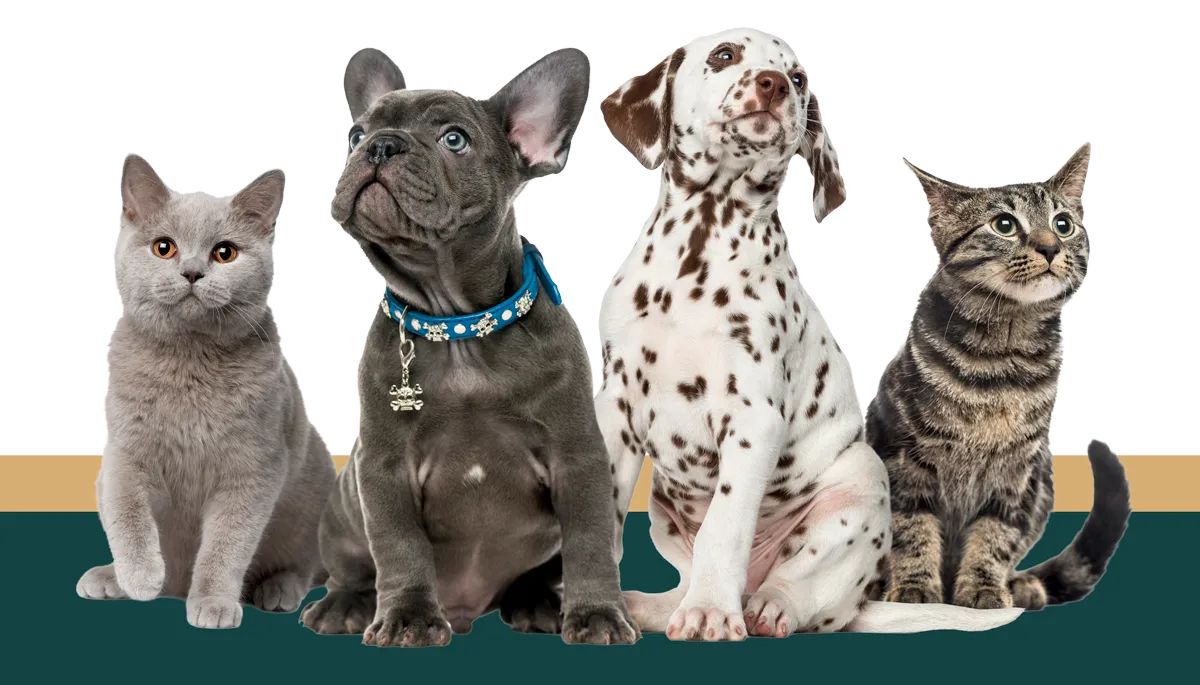
Bringing home a new puppy or kitten is exciting, joyful, and occasionally a little chaotic. The first several months of your pet’s life are also some of the most important for building a strong foundation for lifelong health. At Bull Mountain Veterinary Hospital, we provide personalized puppy and kitten care in Roundup, Montana, for families throughout Musselshell County and the surrounding communities.
Our goal is to help your new companion grow into a healthy, confident adult while giving you clear, practical guidance at every step. Whether this is your first pet or your newest addition, we take the time to answer questions, explain recommendations, and create a preventive-care plan based on your pet’s age, breed, lifestyle, environment, and individual risks.
A puppy or kitten’s needs can change quickly during the first year. Regular veterinary visits allow us to monitor growth, identify concerns early, provide age-appropriate protection against infectious diseases, and help your family navigate nutrition, behavior, parasite prevention, dental care, identification, and future reproductive planning.
Vaccination recommendations are not identical for every animal; professional guidelines emphasize core protection along with additional vaccines selected according to lifestyle and exposure risk. At Bull Mountain Veterinary Hospital, our approach is built around thoughtful medicine and honest communication—not a one-size-fits-all checklist.
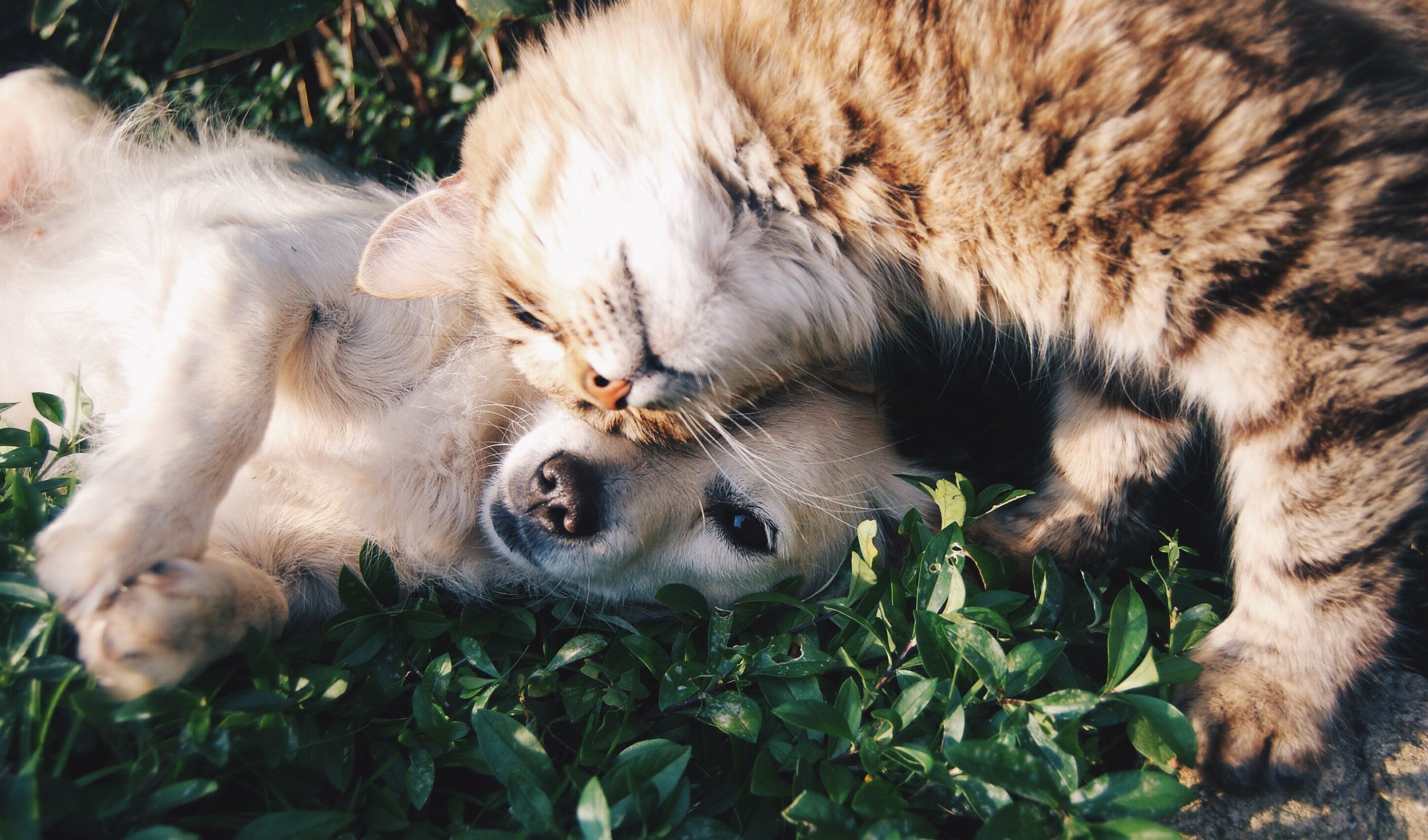
Your Puppy or Kitten’s First Veterinary Visit
A puppy or kitten’s needs can change quickly during the first year. Regular veterinary visits allow us to monitor growth, identify concerns early, provide age-appropriate protection against infectious diseases, and help your family navigate nutrition, behavior, parasite prevention, dental care, identification, and future reproductive planning.
Vaccination recommendations are not identical for every animal; professional guidelines emphasize core protection along with additional vaccines selected according to lifestyle and exposure risk. At Bull Mountain Veterinary Hospital, our approach is built around thoughtful medicine and honest communication—not a one-size-fits-all checklist.
Heart and lungs
Eyes, ears, nose, and mouth
Teeth and bite development
Skin and coat
Abdomen and digestive health
Joints, limbs, and mobility
Body condition and growth
External signs of parasites
Congenital or developmental abnormalities
Please bring any veterinary, breeder, shelter, rescue, vaccination, or deworming records you received. These records help us determine which treatments have already been given and what your pet may need next. We also encourage you to bring a fresh stool sample when requested, since puppies and kittens commonly acquire intestinal parasites from their mothers or their environment.
Not every concern is obvious at home. Early examinations may identify issues such as heart murmurs, retained testicles, hernias, abnormal bites, ear infections, skin problems, poor weight gain, or signs of congenital disease. Finding a problem early does not always mean it is serious, but it gives us the best opportunity to monitor it, discuss options, and intervene when necessary.
Puppy and Kitten Vaccinations
Young animals receive temporary immune protection from their mothers, but that protection fades at different times for different pets. Because maternal antibodies can interfere with vaccination, puppies and kittens generally receive a series of vaccines rather than one single injection. Current canine guidelines recommend beginning core puppy vaccination around six to eight weeks of age and repeating doses at appropriate intervals through at least sixteen weeks, with later completion sometimes appropriate in higher-risk circumstances.
Your pet’s puppy vaccination schedule or kitten vaccination schedule will be based on age, prior records, health status, local disease risks, travel, contact with other animals, and whether your pet spends time indoors, outdoors, boarding, hunting, working, or visiting shared animal spaces.
Depending on your pet’s needs, we may discuss protection against diseases such as:
Puppy Vaccines
Core and lifestyle-based dog vaccinations may include protection against:
Canine distemper
Canine parvovirus
Canine adenovirus
Rabies
Leptospirosis
Bordetella
Other diseases based on lifestyle and exposure risk
Kitten Vaccines
Core and risk-based cat vaccinations may include protection against:
Feline viral rhinotracheitis
Calicivirus
Panleukopenia
Rabies
Feline leukemia virus
Feline vaccination guidance recommends considering each cat’s life stage, environment, and lifestyle rather than assuming all cats have identical risks. Even indoor cats may face exposure through accidental escape, new household animals, boarding, travel, wildlife contact, or infectious material brought into the home.
Nutrition, Growth, and Healthy Development
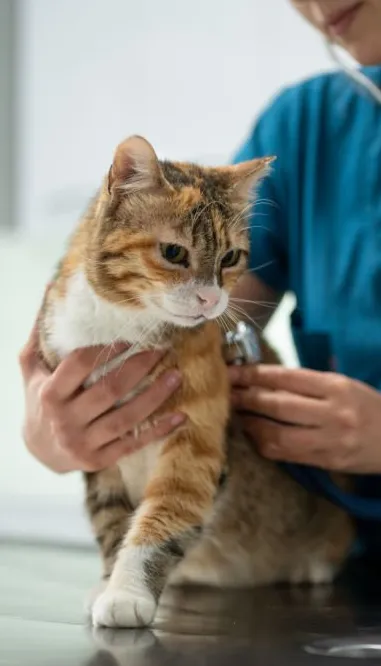
Proper nutrition during growth supports healthy bones, joints, muscles, organs, and immune development. Puppies and kittens should receive food formulated for their species and life stage, but the right feeding plan may also depend on breed, expected adult size, activity level, body condition, and medical history.
During your visits, we can help with:
Choosing an appropriate puppy or kitten diet
Determining how much and how often to feed
Monitoring weight and body condition
Evaluating growth rate
Understanding treat and table-food limits
Discussing large-breed puppy nutrition
Transitioning between foods safely
Addressing vomiting, diarrhea, poor appetite, or slow growth
Large- and giant-breed puppies have particular nutritional needs because overly rapid growth and inappropriate mineral intake may contribute to orthopedic problems. Kittens also require nutrition specifically formulated to support their rapid growth and development.
We will help you separate useful advice from the overwhelming—and often contradictory—information found online.
Parasite Testing and Prevention
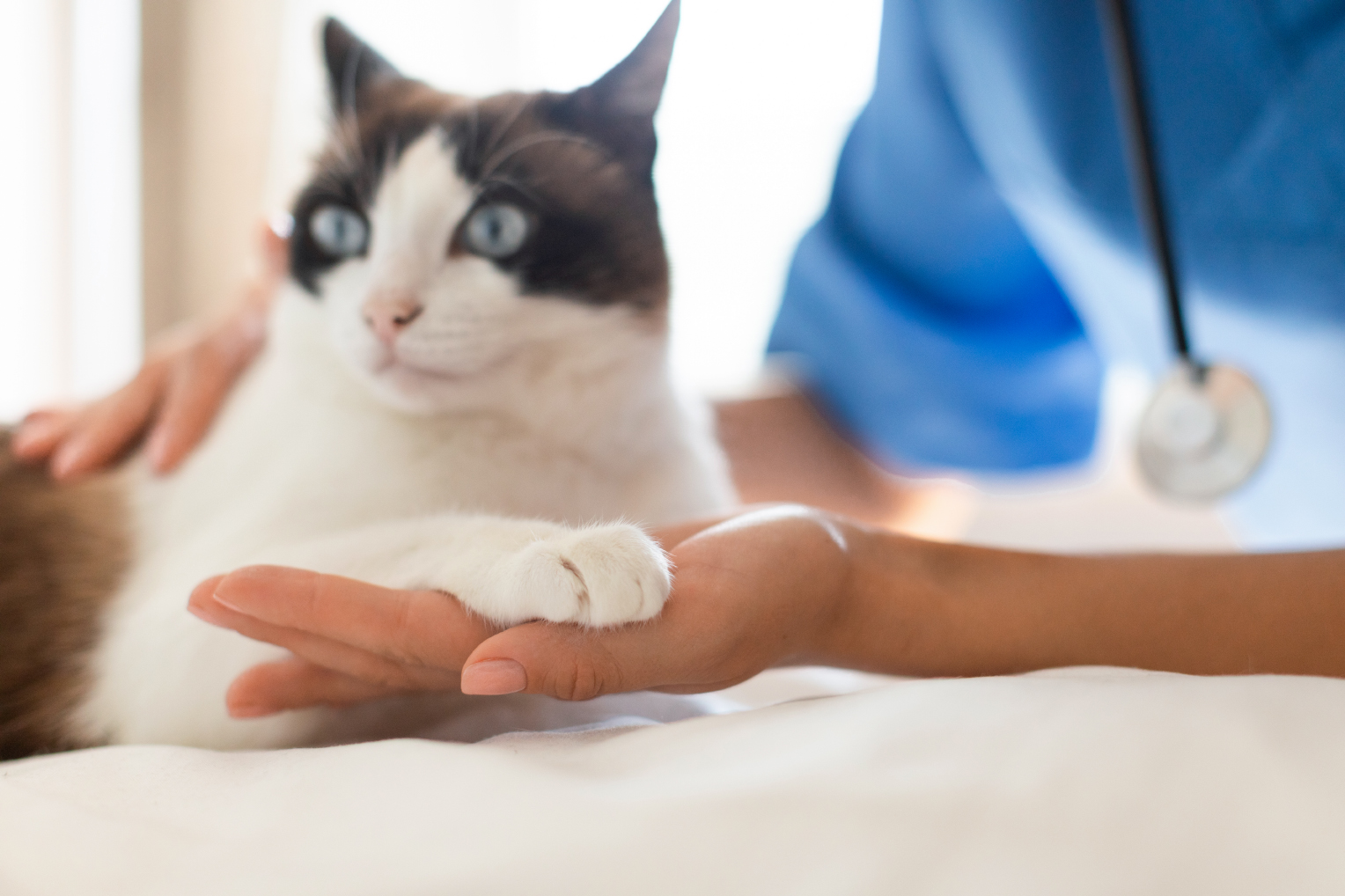
Puppies and kittens may carry intestinal parasites even when they appear completely healthy. Some parasites can cause diarrhea, vomiting, poor growth, anemia, abdominal discomfort, or a pot-bellied appearance. Others may pose risks to people, particularly young children or individuals with weakened immune systems.
Our puppy and kitten parasite prevention recommendations may include:
Fecal testing
Age-appropriate deworming
Flea and tick prevention
Heartworm prevention for dogs
Ongoing intestinal-parasite control
Repeat testing when medically appropriate
Living in rural Montana can create unique exposure opportunities. Dogs and cats may encounter livestock, barn environments, wildlife, rodents, standing water, wooded areas, tall grass, or other animals whose parasite status is unknown. We will help you choose prevention that fits how your pet actually lives rather than recommending products without context.
Behavior, Training, and Socialization
Good preventive care includes behavioral health. Early experiences can influence how comfortably a pet handles new people, other animals, travel, grooming, veterinary care, and unfamiliar environments later in life.
We can discuss:
House-training and crate training
Litter-box setup and troubleshooting
Safe Socialization
Puppy biting and chewing
Kitten scratching and play behavior
Introducing children or other pets
Fear, anxiety, and overstimulation
Handling paws, ears, and mouths
Enrichment and appropriate exercise
Recognizing behavior that may need support
Socialization should be positive and thoughtfully managed. For puppies, this means balancing important developmental experiences with protection from infectious disease while their vaccine series is still underway. For kittens, gentle early handling, appropriate play, environmental enrichment, and safe exposure to normal household experiences can help support confidence.
Microchipping and Permanent Identification
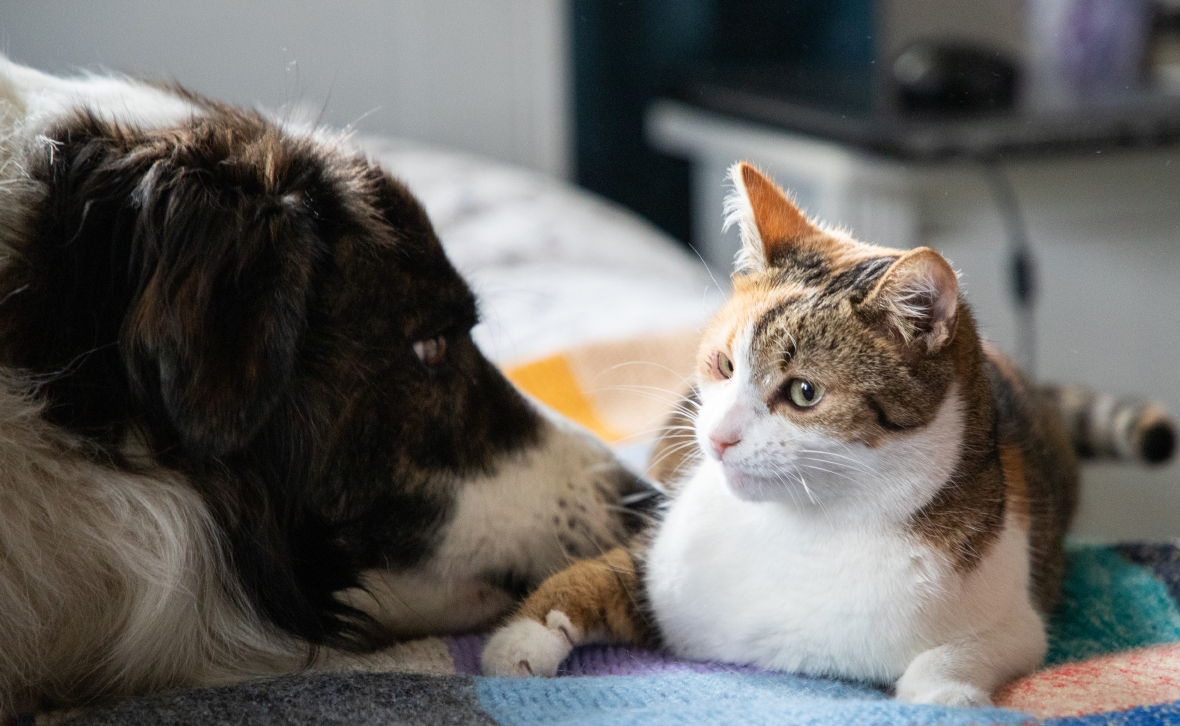
Collars and tags remain important, but they can break or become lost. A pet microchip provides permanent identification that can help reunite you with your dog or cat if they go missing. Microchipping is quick, does not require major surgery, and can be performed during a routine appointment or at the time of another procedure.
A microchip is only useful when its registration information is accurate. After implantation, make sure the chip is registered and update your phone number and address whenever they change. The AVMA emphasizes both microchipping and keeping registration information current as important parts of responsible pet identification.
Spay and Neuter Guidance
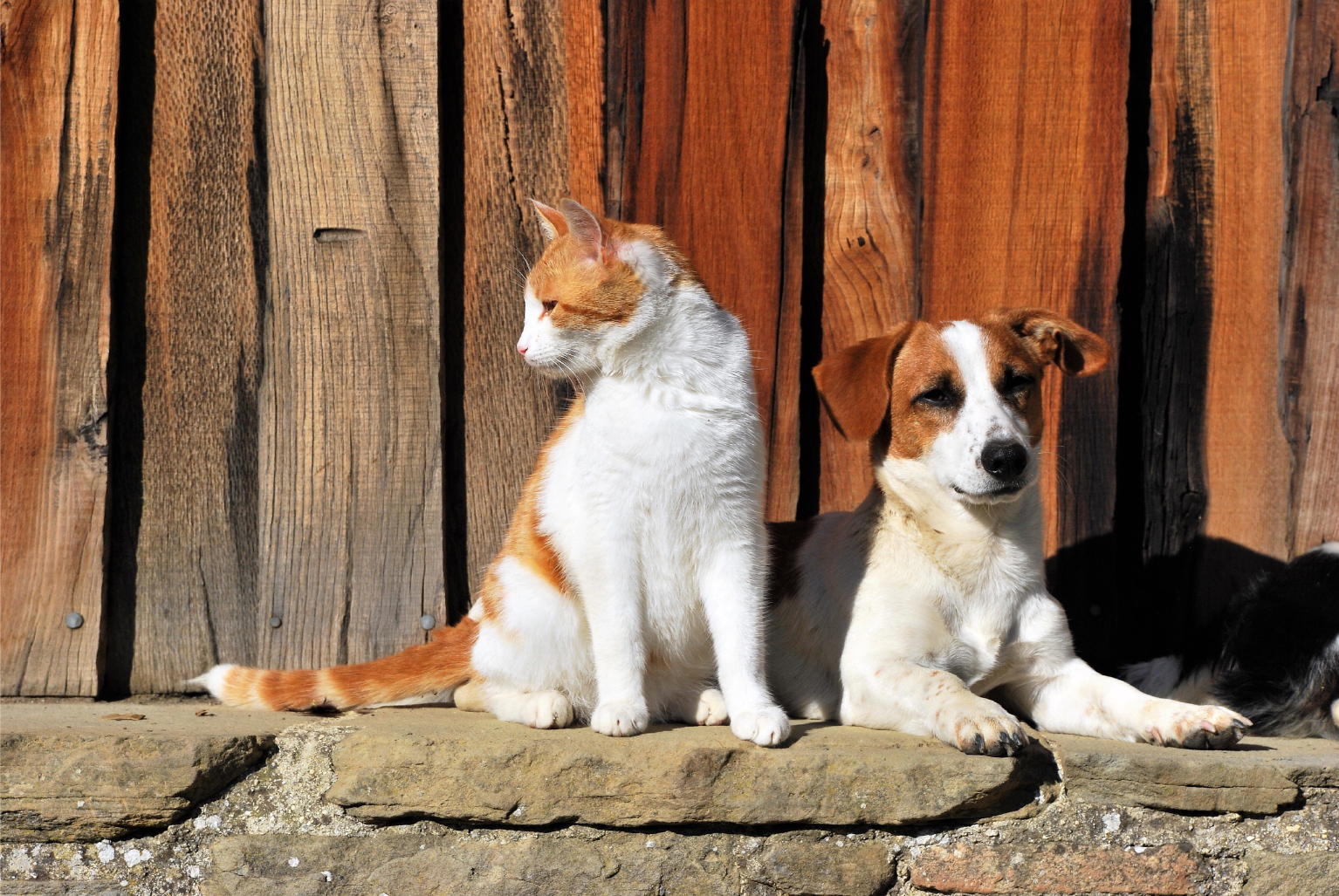
The ideal time to spay or neuter a puppy or kitten is not necessarily the same for every pet.
Timing may depend on species, sex, breed, expected adult size, health, behavior, lifestyle, reproductive risks, and current evidence.
We will discuss the potential benefits, limitations, and timing considerations so you can make an informed decision for your individual animal.
Our goal is not to hand every family the same answer—it is to help you understand the options and choose responsibly.
Building a Lifetime of Trusted Veterinary Care
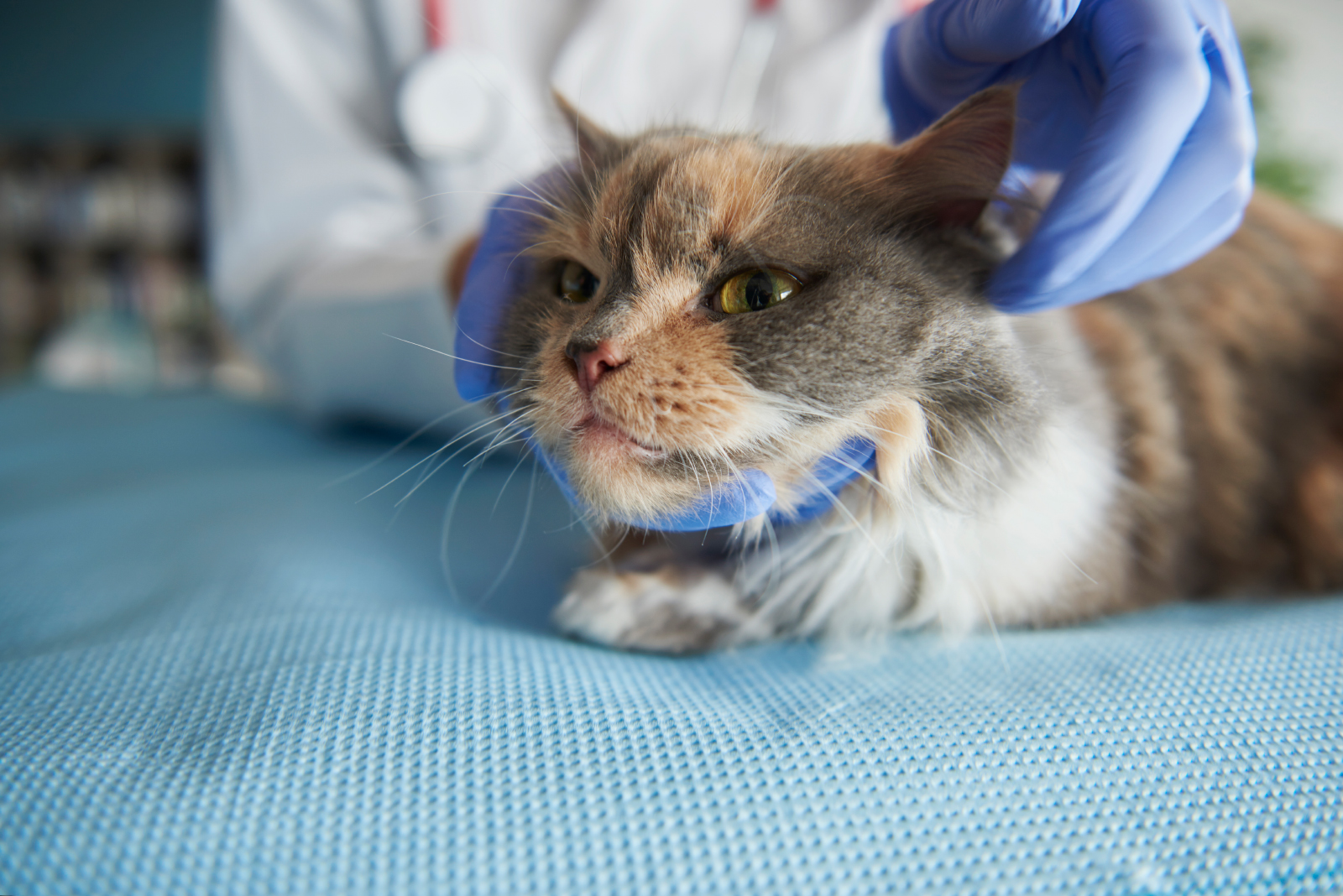
Your first visits should do more than provide vaccines. They should establish a relationship with a veterinary team that knows your pet, understands your priorities, and communicates clearly.
At Bull Mountain Veterinary Hospital, we are proud to provide local veterinary care in Roundup, MT, for puppies, kittens, and the people who love them.
We welcome questions. Ask us about food, training, vaccines, parasites, behavior, grooming, travel, insurance, emergencies, or anything else that helps you care confidently for your new companion. There are no foolish questions when you are responsible for a life that cannot explain what it needs.
Our team is proud to serve pet owners throughout Roundup, Musselshell County, and Central Montana with compassionate care, practical recommendations, and honest guidance.
Have questions about your pet's health, our services, or what to expect during your visit?
We've answered some of the questions we hear most often from pet owners and livestock producers throughout Roundup and the surrounding communities.
If you don't find the answer you're looking for, our team is always happy to help.
Contact Bull Mountain Veterinary Hospital, and we'll be glad to answer your questions and help you determine the best care for your animal.
Puppy & Kitten Care FAQs
1. When should my new puppy or kitten see a veterinarian?
Ideally, your new pet should be examined soon after arriving home, even when they appear healthy. An early visit allows us to review records, check for illness or developmental concerns, evaluate parasite risks, and plan upcoming preventive care.
2. How many vaccines will my puppy or kitten need?
The number depends on age, previous vaccination history, health, lifestyle, and the age at which the series begins. Young animals usually require multiple visits because maternal antibodies decline unpredictably and can interfere with early vaccine response.
3. Does an indoor kitten still need veterinary care and vaccinations?
Yes. Indoor cats still benefit from routine examinations, parasite assessment, vaccination based on individual risk, dental care, nutrition monitoring, and early detection of illness. Lifestyle affects recommendations, but living indoors does not eliminate every risk.
4. Should I bring a stool sample?
A fresh sample may be helpful for intestinal-parasite testing. Contact our team for instructions on collection and storage before your appointment.
5. When should I microchip my pet?
Microchipping can be performed during a routine visit or combined with another planned procedure. Earlier identification provides earlier protection, particularly for pets at risk of escaping or becoming lost.
6. How do I schedule puppy or kitten care in Roundup?
Call Bull Mountain Veterinary Hospital at (406) 323-2345 to schedule an appointment or learn more about our puppy and kitten veterinary services in Roundup, Montana.
Call Bull Mountain Veterinary Hospital at (406) 323-2345 to schedule an appointment in Roundup, Montana.
Follow Us On Social Media


Quick Links
Have Questions?
Every pet is different, and every situation is unique. If you're unsure whether your pet needs to be seen or have questions about any of our services, please don't hesitate to contact our team.
Please Call: (406) 323-2345
Email: [email protected]
Business Hours
Monday - Friday: 8am - 5pm MST
Our Address
140 US-87 N.
Roundup, Montana
