
Diagnostic Services In Roundup, Montana | Bull Mountain Veterinary Hospital
Diagnostic Services
Trusted Care. Honest Communication. Compassionate Medicine.
Proudly Serving Roundup, Montana & Surrounding Communities
When a pet becomes sick or injured, finding the underlying cause is just as important as treating the symptoms. At Bull Mountain Veterinary Hospital, we provide comprehensive diagnostic services in Roundup, Montana, to help identify illness, guide treatment decisions, and give pet owners clear answers about their animal's health. Our philosophy is simple: good medicine starts with good diagnostics.
While experience and a thorough physical examination remain essential, modern veterinary medicine allows us to gather valuable information through laboratory testing, imaging, and other diagnostic tools that help us make informed medical decisions. We proudly serve dogs, cats, horses, and livestock throughout Roundup, Musselshell County, and the surrounding communities, providing thoughtful, evidence-based veterinary care tailored to each patient.
No two medical cases are exactly alike. Two dogs with vomiting may have completely different underlying conditions. A cat that stops eating could have dental disease, kidney disease, pancreatitis, or dozens of other potential causes. A horse with lameness may have a hoof abscess, tendon injury, arthritis, or a fracture. Rather than guessing, we use diagnostic testing to narrow the possibilities and determine the most appropriate treatment plan.
Our goal is to explain not only what tests we recommend, but why they matter, what information they provide, and how the results influence your pet's care. We believe informed owners make better decisions, and we are committed to communicating openly throughout the diagnostic process.
The Importance of Early Diagnosis
Many diseases begin long before obvious symptoms develop. Animals are remarkably good at hiding pain and illness, an instinct that helped their wild ancestors survive. Unfortunately, this means that by the time many pets show visible signs of disease, they may already be significantly affected.
Early diagnosis allows us to:
Identify disease before it becomes advanced
Begin treatment sooner
Monitor chronic medical conditions
Prevent unnecessary suffering
Improve long-term outcomes
Avoid treatments that may be ineffective or unnecessary
Establish baseline health information for future comparison
Prompt diagnostic testing can often save both time and money by helping us reach an accurate diagnosis more efficiently rather than relying on trial-and-error treatment.
Comprehensive Physical Examination
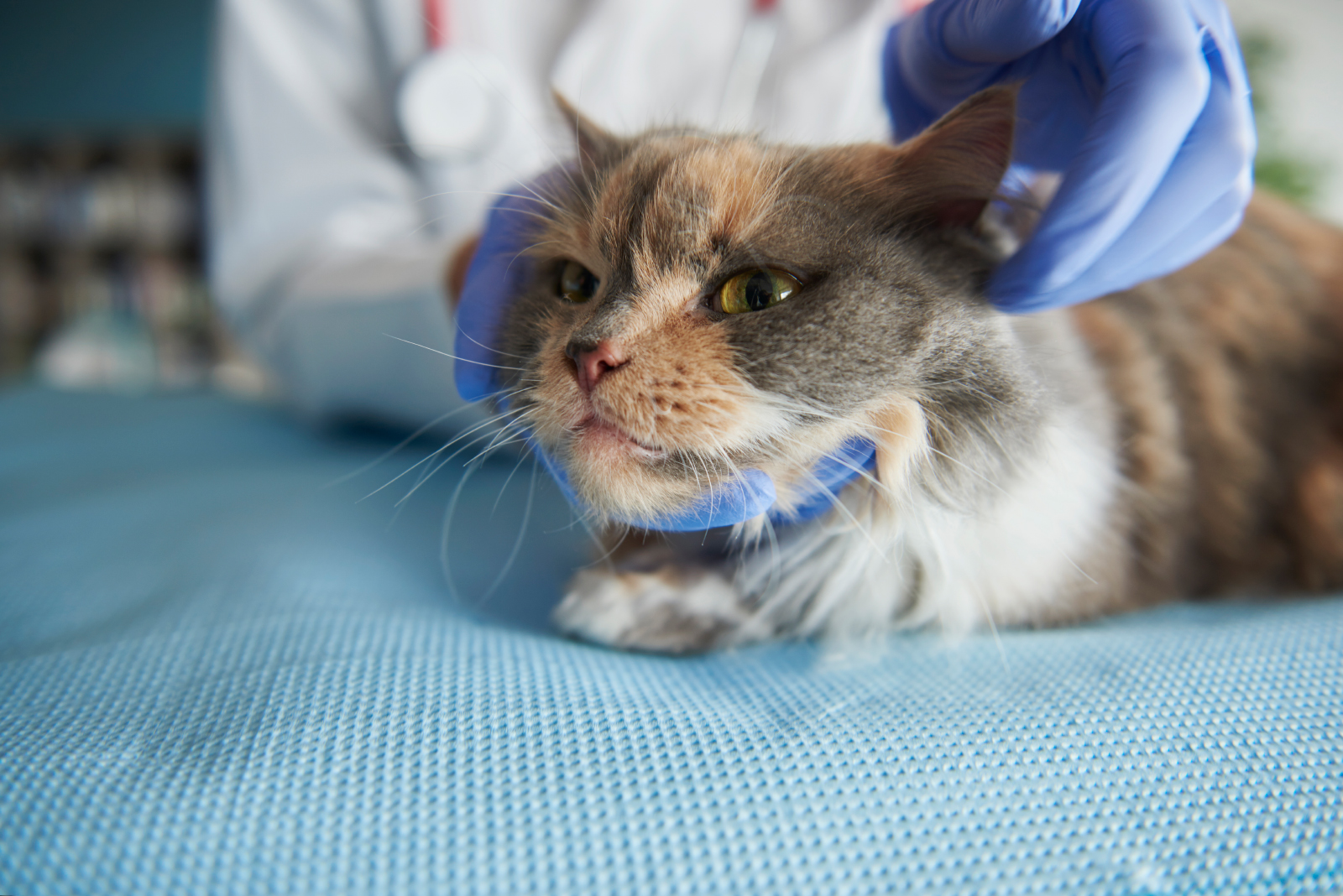
Every diagnostic workup begins with a detailed physical examination. Even with advanced technology, a veterinarian's hands, eyes, ears, and experience remain some of the most valuable diagnostic tools available.
During a physical examination we may evaluate:
Heart rate and rhythm
Lung sounds
Temperature
Hydration status
Weight and body condition
Eyes and vision
Ears
Oral cavity and teeth
Skin and coat
Lymph nodes
Abdomen
Musculoskeletal system
Neurologic function
Pain response
Mobility and gait
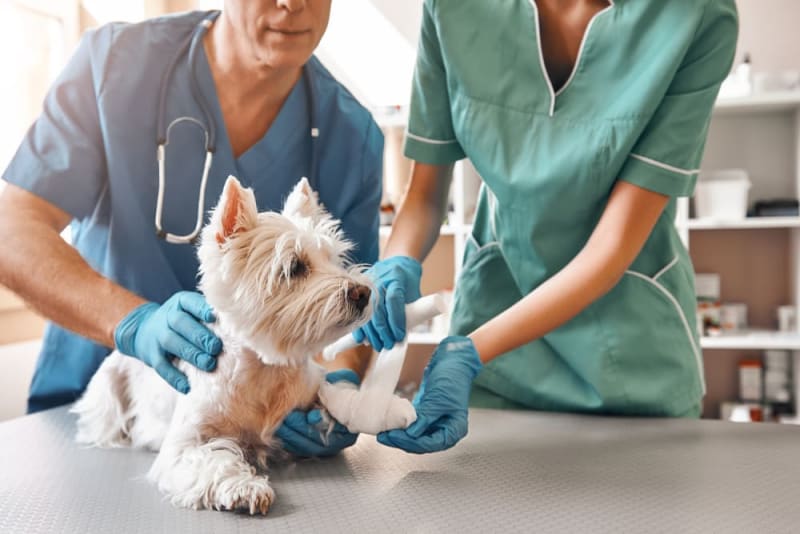
Many medical conditions reveal subtle clues during a thorough examination before laboratory testing is even performed.
Veterinary Laboratory Testing
Laboratory testing provides critical information about how your pet's body is functioning internally. Blood, urine, and other samples allow us to evaluate organ function, detect infection, assess hydration, identify inflammation, and diagnose many common diseases.
Blood Testing
Bloodwork may include:
Complete Blood Count (CBC)
Blood chemistry profile
Electrolytes
Blood glucose
Liver function
Kidney function
Pancreatic values
Protein levels
Thyroid testing
Clotting evaluation
Bloodwork can help diagnose conditions such as:
Kidney disease
Liver disease
Diabetes
Pancreatitis
Anemia
Infection
Inflammation
Electrolyte abnormalities
Endocrine disorders
Many chronic diseases are first detected through routine blood testing before clinical signs become severe.
Urinalysis
A urinalysis provides valuable information about kidney function, hydration, urinary tract health, and metabolic disease. Urine testing may help diagnose:
Urinary tract infections
Bladder stones
Kidney disease
Diabetes
Protein loss
Crystal formation
Urinary inflammation
Combining urinalysis with bloodwork often provides a much more complete picture of your pet's health than either test alone.
Fecal Testing
Intestinal parasites remain common in both young and adult animals. Fecal testing can identify:
Roundworms
Hookworms
Whipworms
Coccidia
Giardia
Tapeworms
Other intestinal parasites
Many infected animals appear perfectly healthy while still shedding parasite eggs into the environment.
An animal that spends time hunting, working around livestock, boarding, visiting dog parks, roaming outdoors, or encountering wildlife may have different risks than a pet with a more controlled lifestyle. We will explain which vaccines are considered essential and which are recommended based on individual exposure.
Digital Veterinary Radiography (X-Rays)
Digital veterinary X-rays allow us to evaluate structures that cannot be assessed during a physical examination alone. Modern digital imaging produces high-quality images quickly while reducing radiation exposure compared to older film systems.
Radiographs may help diagnose:
Bone fractures
Arthritis
Hip dysplasia
Foreign body ingestion
Intestinal obstruction
Heart enlargement
Lung disease
Pneumonia
Bladder stones
Certain tumors
X-rays are one of the most valuable diagnostic tools available for evaluating both emergency and chronic medical conditions.

Diagnostic Imaging
Depending on your pet's condition, additional diagnostic imaging may be recommended. Imaging allows us to evaluate:
Internal organs
Chest cavity
Abdomen
Skeletal system
Soft tissues
Pregnancy
Musculoskeletal injuries
Some advanced imaging may require referral to specialty facilities when appropriate. We work closely with referral hospitals to ensure your pet receives the care they need.
Infectious Disease Testing
Certain diseases require specialized testing beyond routine laboratory work.Depending on species and clinical signs, we may recommend testing for:
Heartworm disease
Feline leukemia virus (FeLV)
Feline immunodeficiency virus (FIV)
Tick-borne diseases
Parvovirus
Other infectious diseases based on risk factors and clinical presentation
Testing recommendations are based on your pet's lifestyle, travel history, and local disease prevalence.
Cytology and Microscopic Evaluation
Many conditions can be evaluated by examining cells under a microscope. Cytology may be used to evaluate:
Skin masses
Lumps
Ear infections
Skin infections
Certain tumors
Fluid samples
This minimally invasive procedure often provides valuable information that helps determine the next step in diagnosis or treatment.
Diagnostic Services for Horses and Livestock
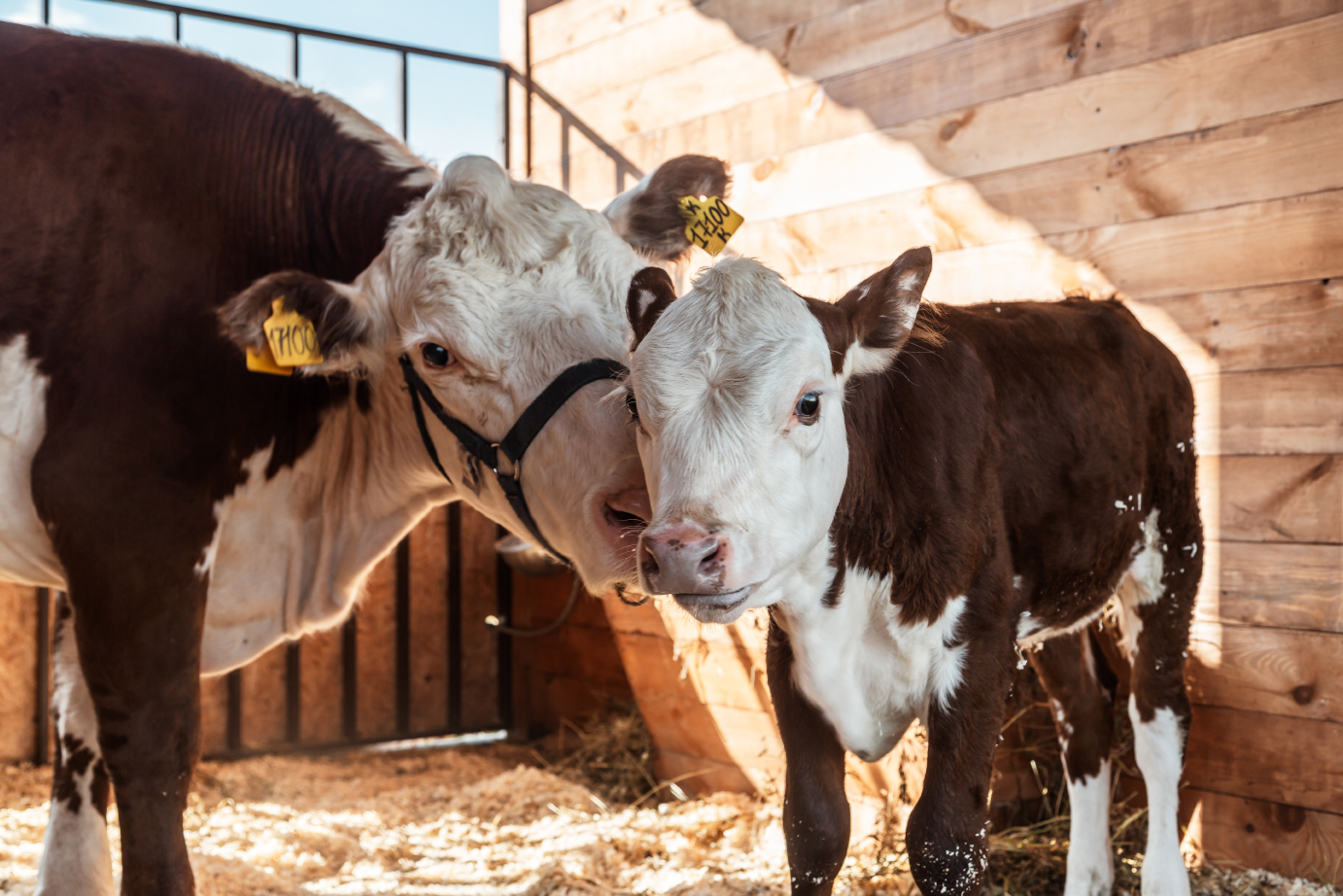
Diagnostic medicine extends beyond dogs and cats. Depending on the situation, diagnostic services may include:
Lameness evaluation
Blood testing
Fecal examinations
Reproductive diagnostics
Infectious disease testing
Nutritional assessment
Herd health consultation
Early diagnosis can reduce production losses, improve animal welfare, and help prevent disease from spreading within a herd.

Monitoring Chronic Medical Conditions
Diagnostics are not used only when pets become sick. They also help us monitor ongoing medical conditions and evaluate how well treatment is working.
Conditions commonly monitored include:
Diabetes
Kidney disease
Liver disease
Heart disease
Thyroid disorders
Arthritis
Chronic skin disease
Endocrine disorders
Regular monitoring allows us to adjust medications and treatment plans before problems become more serious.
Diagnostics During Emergency and Sick Visits
When your pet becomes suddenly ill, diagnostic testing often helps us determine whether the problem is life-threatening or can be managed conservatively.
Our Sick Pet Visits frequently include diagnostic testing to investigate symptoms such as:
Vomiting
Diarrhea
Difficulty breathing
Collapse
Loss of appetite
Lethargy
Excessive drinking or urination
Lameness
Seizures
Pain
Trauma
Our recommendations are always tailored to your pet's individual condition. Some pets require only a physical examination and basic testing, while others may benefit from a more comprehensive diagnostic workup.

Honest Communication and Evidence-Based Care
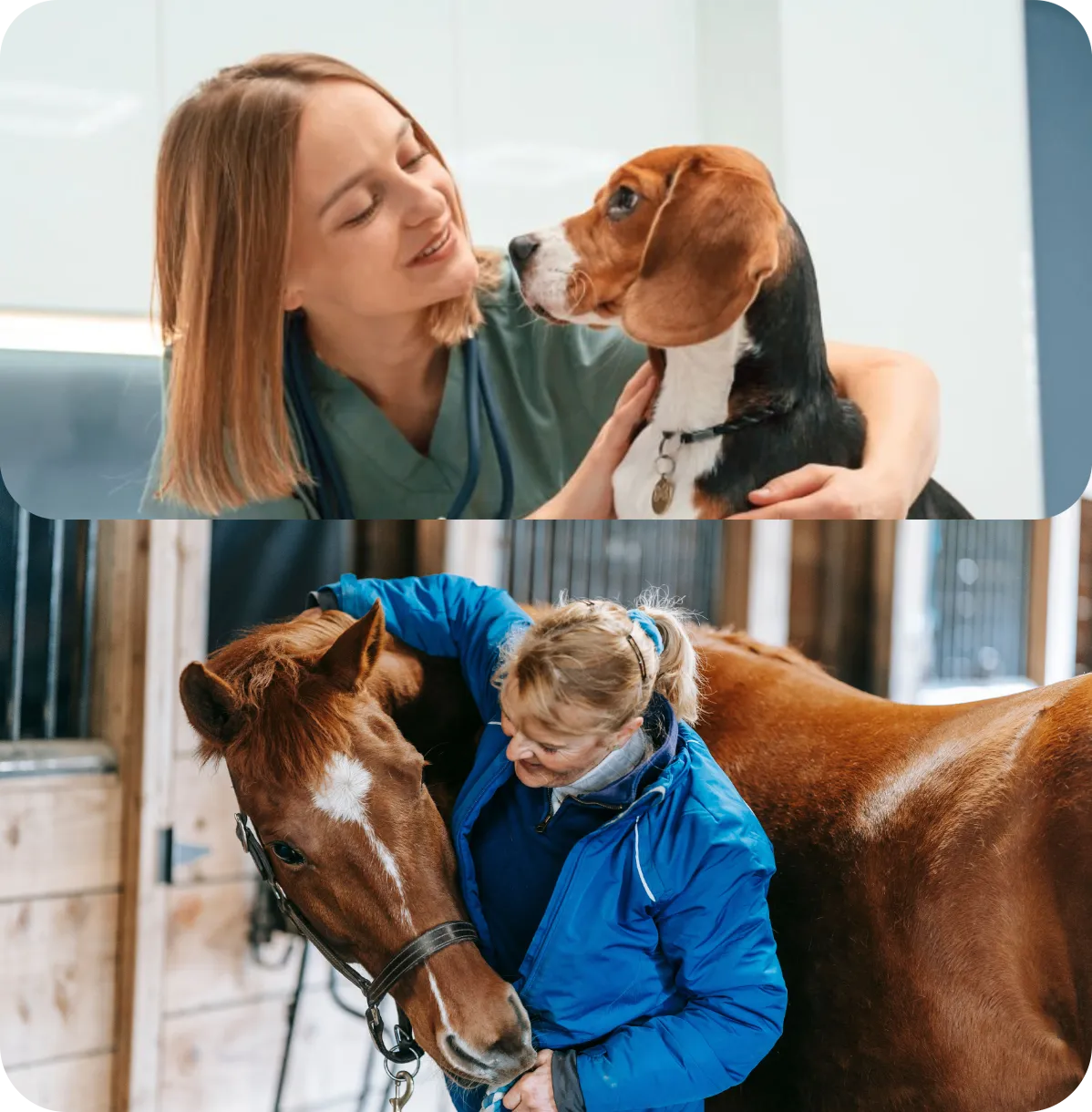
At Bull Mountain Veterinary Hospital, diagnostics are never about ordering unnecessary tests. Every recommendation is made because we believe it will provide meaningful information that helps us care for your animal.
We understand that veterinary medicine is a partnership between our team and your family. When we recommend diagnostic testing, we explain:
What we are looking for
Why the test is helpful
What information it may provide
Possible alternatives
How the results may change treatment decisions
Estimated costs whenever possible
Our goal is to give you the information you need to make confident decisions without pressure.
Local Veterinary Diagnostics You Can Trust
Whether your dog has stopped eating, your cat is losing weight, your horse has become lame, or your livestock are showing signs of illness, Bull Mountain Veterinary Hospital is here to help.
We are proud to provide diagnostic veterinary services in Roundup, Montana, for families throughout Musselshell County and Central Montana. Through careful examinations, modern diagnostic technology, and honest communication, we work to identify health problems accurately so your animals receive the care they deserve.
Have questions about your pet's health, our services, or what to expect during your visit?
We've answered some of the questions we hear most often from pet owners and livestock producers throughout Roundup and the surrounding communities.
If you don't find the answer you're looking for, our team is always happy to help.
Contact Bull Mountain Veterinary Hospital, and we'll be glad to answer your questions and help you determine the best care for your animal.
Diagnostic Services FAQs
1. When does my pet need diagnostic testing?
Diagnostic testing may be recommended whenever your pet develops unexplained symptoms, experiences an injury, has abnormal findings during a physical examination, or requires monitoring for an existing medical condition.
2. Does every sick pet need bloodwork?
Not necessarily. Some conditions can be diagnosed through a physical examination alone, while others require bloodwork, imaging, or additional testing. We recommend diagnostics based on your pet's individual symptoms and medical history.
3. Are veterinary X-rays safe?
Yes. Digital radiography uses relatively low doses of radiation and is considered very safe when performed appropriately. The information gained from X-rays often plays an important role in reaching an accurate diagnosis.
4. Why does my healthy pet need bloodwork?
Baseline bloodwork can detect early disease before obvious symptoms appear and provides valuable comparison data if your pet develops medical problems later in life.
5. Do you provide diagnostics for horses and livestock?
Yes. We provide diagnostic services for horses and livestock as part of our commitment to serving the agricultural community throughout Roundup and Musselshell County.
6. How do I schedule Diagnostic Services in Roundup?
Call Bull Mountain Veterinary Hospital at (406) 323-2345 to schedule an appointment or learn more about our Diagnostic Services in Roundup, Montana.
Call Bull Mountain Veterinary Hospital at (406) 323-2345 to schedule an appointment in Roundup, Montana.
Follow Us On Social Media


Quick Links
Have Questions?
Every pet is different, and every situation is unique. If you're unsure whether your pet needs to be seen or have questions about any of our services, please don't hesitate to contact our team.
Please Call: (406) 323-2345
Email: [email protected]
Business Hours
Monday - Friday: 8am - 5pm MST
Our Address
140 US-87 N.
Roundup, Montana
