
Veterinarian Dentistry In Roundup, Montana | Bull Mountain Veterinary Hospital
Veterinarian Dentistry Services
Trusted Care. Honest Communication. Compassionate Medicine.
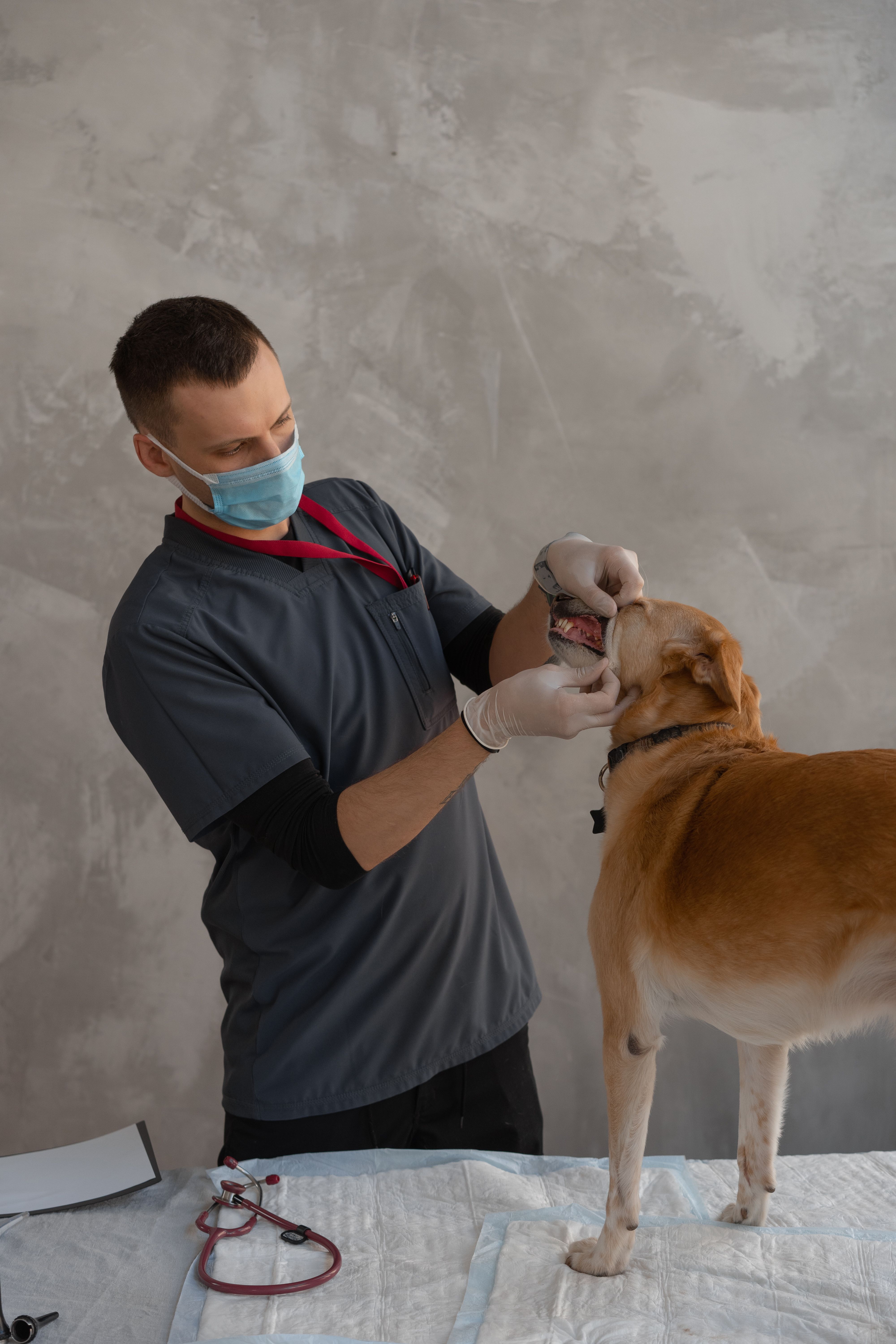
Proudly Serving Roundup, Montana & Surrounding Communities
Dental health is not cosmetic—it is an essential part of your pet’s comfort, health, and quality of life. At Bull Mountain Veterinary Hospital, we provide comprehensive veterinary dentistry in Roundup, Montana, for dogs and cats throughout Musselshell County and the surrounding Central Montana communities. Our goal is to prevent unnecessary pain, identify dental disease before it becomes advanced, and provide owners with clear, honest information about what is happening inside their pet’s mouth.
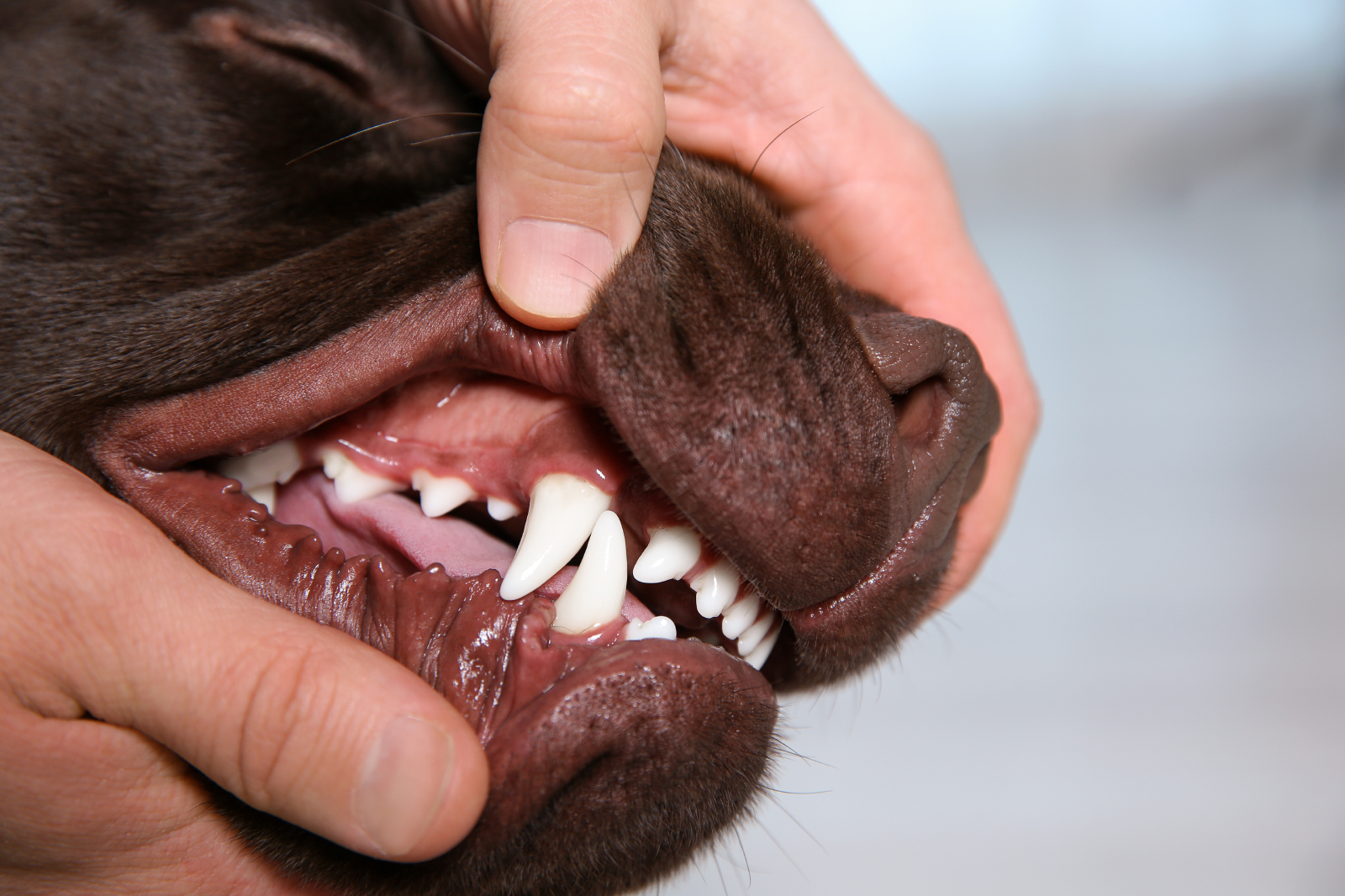
Bad breath, visible tartar, or a discolored tooth may be the first signs of a much larger problem beneath the gumline. Pets cannot tell us that a tooth hurts, and many continue eating despite advanced infection, loose teeth, fractured teeth, or severe periodontal disease.
Dental disease is one of the most common health problems affecting dogs and cats. By three years of age, most dogs and cats have some degree of periodontal disease, yet much of that disease may go unnoticed because pets instinctively conceal discomfort. (AAHA) At Bull Mountain Veterinary Hospital, we believe pets should not have to live with chronic dental pain simply because they still eat, play, or act relatively normal.
Through regular oral evaluations, professional dental cleanings, full-mouth dental X-rays, periodontal treatment, extractions when necessary, and practical home-care recommendations, we help protect your pet’s mouth and overall well-being.
Dental Disease Is More Than Bad Breath
Many owners assume that bad breath is normal for dogs and cats. Persistent bad breath is usually a sign that bacteria, inflammation, or infection are present in the mouth. Plaque begins as a soft bacterial film on the teeth. If it is not removed, minerals in saliva harden it into tartar, also called calculus. As bacteria and inflammation extend beneath the gumline, they damage the tissues and bone that support the teeth.
This process is known as periodontal disease in dogs and cats. In its early stage, periodontal disease may cause redness and inflammation of the gums. As it progresses, it may lead to:
Bleeding or painful gums
Gum recession
Periodontal pockets
Loss of supporting bone
Loose teeth
Tooth-root infection
Oral abscesses
Chronic pain
Difficulty chewing
Tooth loss
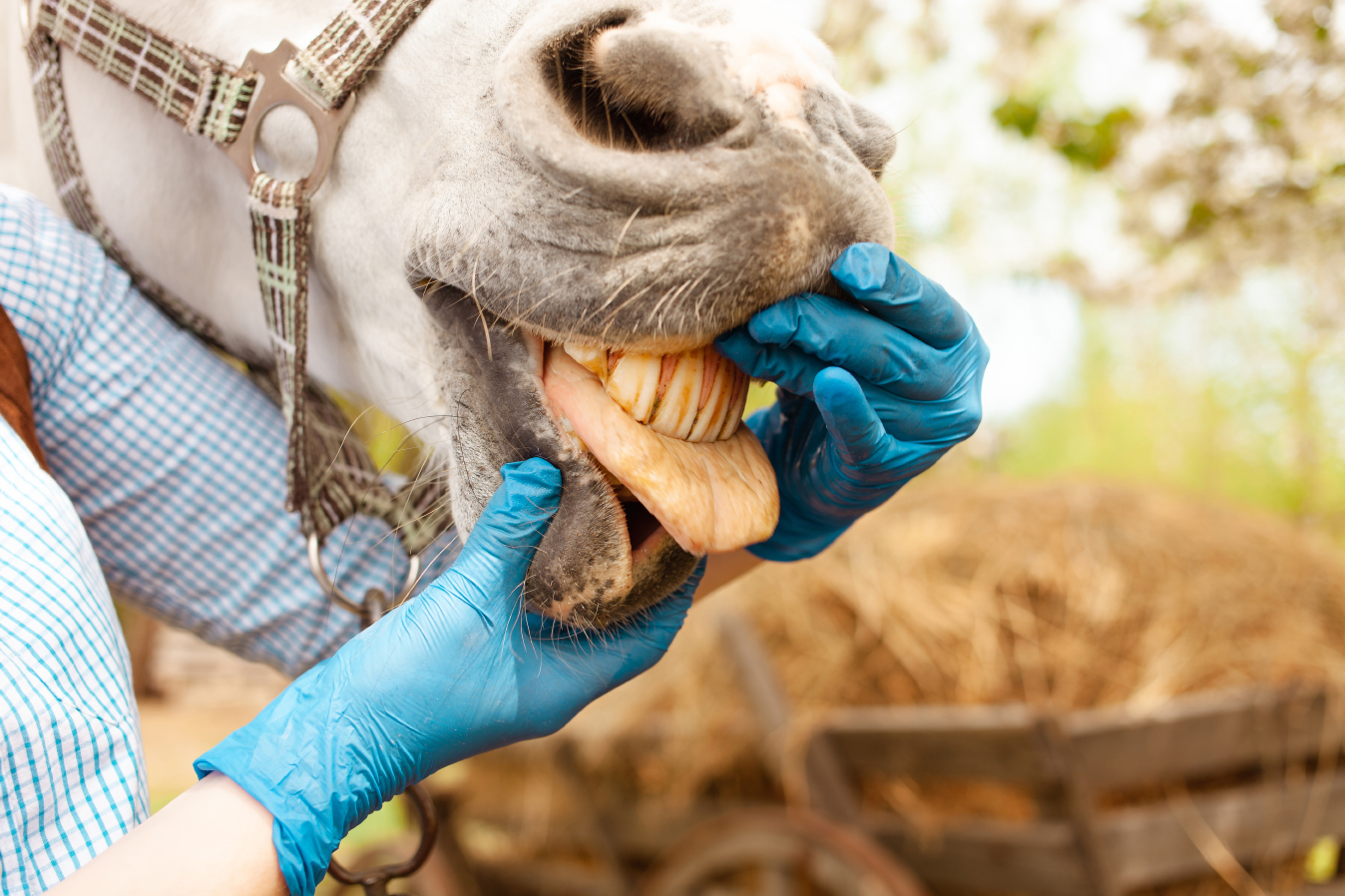
The visible tartar above the gumline tells only part of the story. The most destructive disease occurs beneath the gumline, where it cannot be fully evaluated in an awake animal.
Current American Animal Hospital Association guidance states that accurate periodontal staging requires an anesthetized examination, periodontal probing, and intraoral dental radiographs.
Signs Your Pet May Have Dental Pain
Contact us for a pet dental evaluation in Roundup, Montana, if you notice:
Persistent bad breath
Drooling
Dropping food while eating
Facial swelling
Blood on toys or in the water bowl
Yellow or brown tartar
Pawing at the mouth
Reluctance to eat hard food
Loose or missing teeth
Reduced grooming in cats
Red, swollen, or bleeding gums
Chewing on only one side
Decreased interest in toys or chews
Broken or discolored teeth
Changes in behavior
Some animals show no obvious signs at all. This is why oral evaluation should be included in routine wellness and preventive veterinary care.
What Is Included in a Professional Veterinary Dental Procedure?
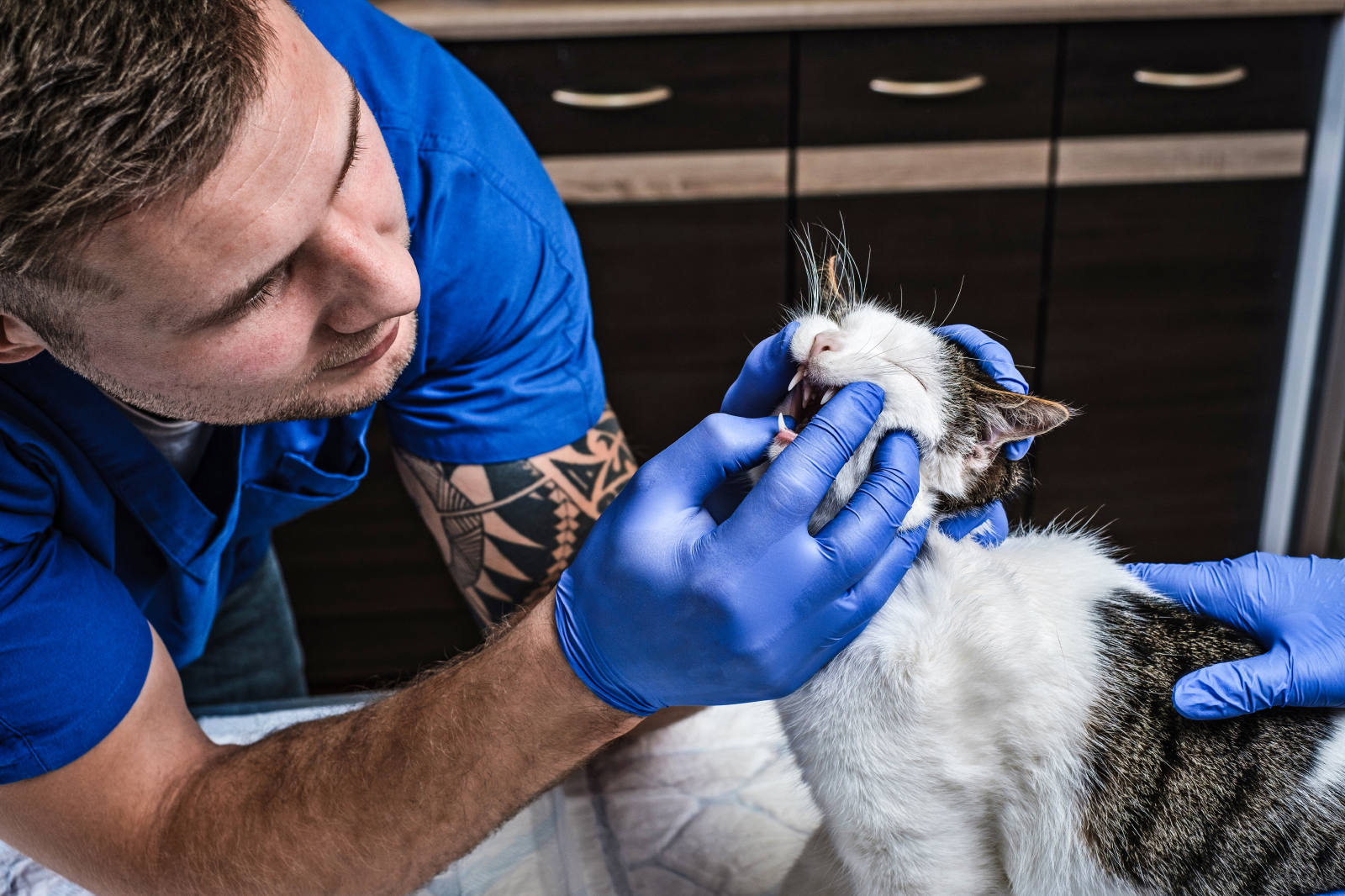
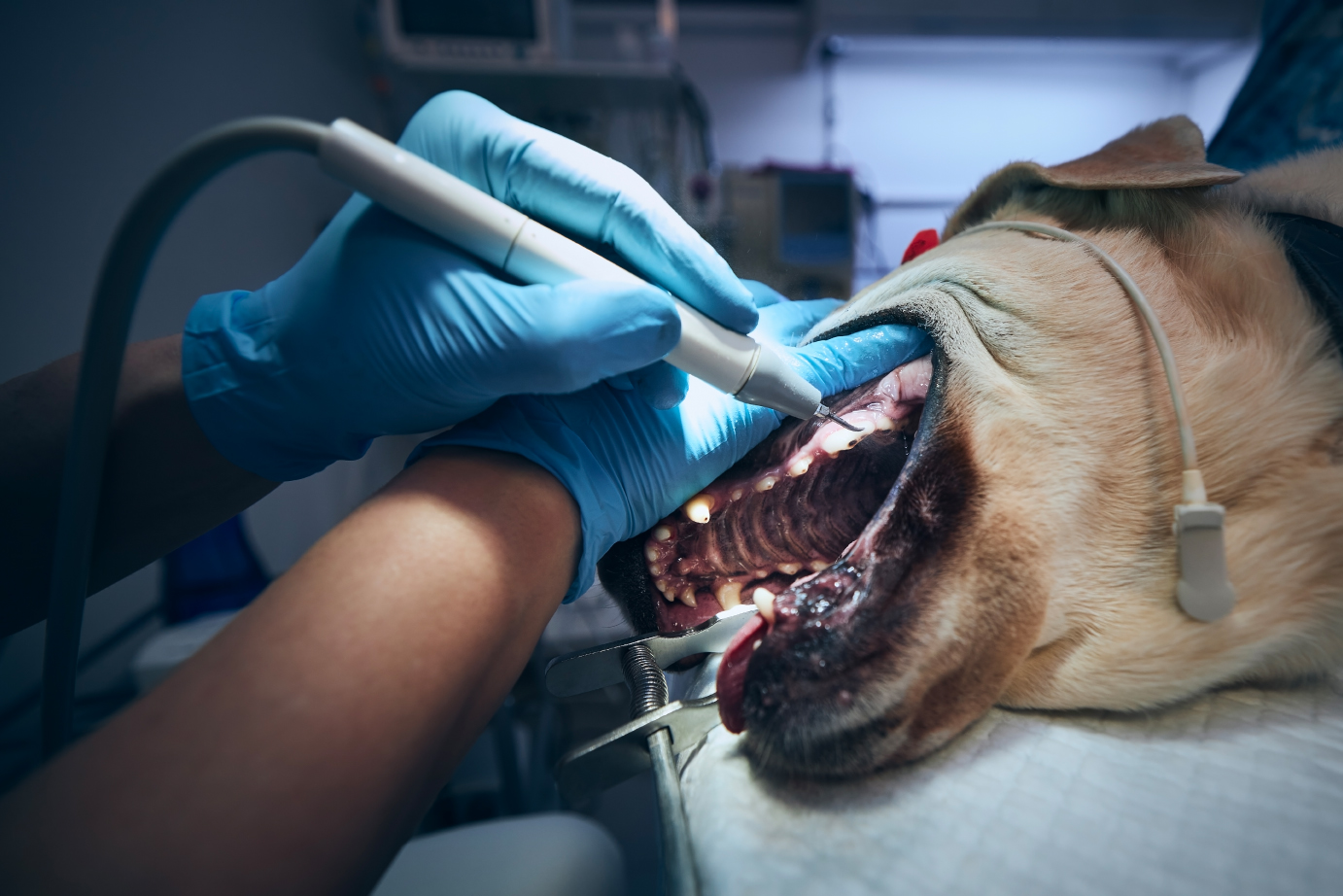
A professional dental procedure is much more than scraping visible tartar from the teeth. A complete dog or cat dental cleaning is an anesthetized medical procedure designed to examine, diagnose, clean, and treat the entire mouth—including the areas hidden below the gumline. Depending on your pet’s needs, a comprehensive dental procedure may include:
Pre-anesthetic physical examination
Pre-anesthetic laboratory testing when appropriate
Individualized anesthesia planning
General anesthesia with a protected airway
Continuous anesthetic monitoring
A complete tooth-by-tooth oral examination
Periodontal probing
Dental charting
Full-mouth intraoral dental radiographs
Scaling above and below the gumline
Polishing & Irrigation
Treatment of periodontal disease
Extraction of painful or nonviable teeth when medically necessary
Local anesthetic nerve blocks and multimodal pain control
Post-procedure monitoring and recovery
Detailed discharge instructions
Personalized home dental-care recommendations
AAHA dental-care guidance describes a comprehensive anesthetized oral evaluation as including tooth-by-tooth examination, probing, mobility assessment, radiographs, and charting. (AAHA) This level of evaluation allows the veterinarian to diagnose disease rather than simply improving the visible appearance of the teeth.
Why Dental X-Rays Matter
A large portion of every tooth lies below the gumline. Looking at the exposed crown alone does not reveal the condition of the tooth roots, supporting bone, or surrounding tissues. A tooth may appear normal above the gumline while hiding root disease, bone loss, resorption, infection, or other painful abnormalities.
Veterinary dental X-rays may reveal:
Bone loss from periodontal disease
Tooth-root infections
Retained or unerupted teeth
Fractured roots
Root remnants
Painful tooth resorption in cats
Abnormal root development
Jaw-bone abnormalities
Disease surrounding apparently normal teeth
Whether a tooth extraction was completed successfully
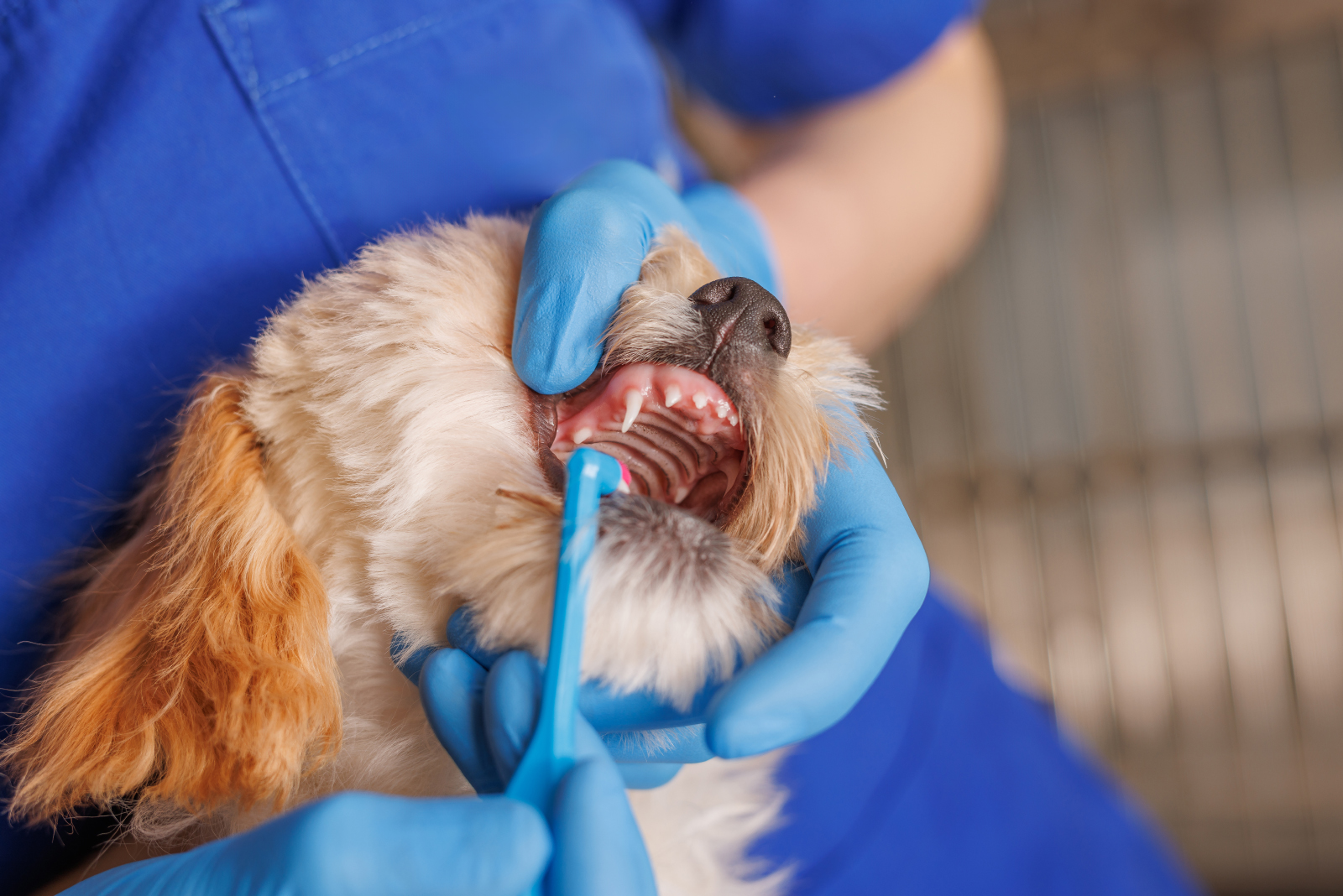
The American Veterinary Dental College advocates full-mouth intraoral radiographs during dental procedures, and AAHA standards similarly recognize dental radiography as an essential part of diagnosing disease that cannot be seen during a visual examination alone.
Dental X-rays are not the same as ordinary whole-body radiographs. Small intraoral sensors are positioned inside the mouth to create detailed images of individual teeth and their supporting structures. Because animals cannot remain perfectly still with a sensor in their mouth, these images require general anesthesia.
Why Pets Need Anesthesia for Proper Dental Care
We understand that many owners feel nervous when anesthesia is discussed, particularly for senior pets or animals with other medical conditions. That concern is reasonable, and anesthesia should always be approached thoughtfully. However, general anesthesia is necessary to safely and thoroughly diagnose and treat dental disease in dogs and cats.
Under anesthesia, the veterinary team can:
Protect the airway from water, debris, and bacteria
Clean beneath the gumline
Perform a complete oral examination
Measure periodontal pockets
Obtain precise dental X-rays
Treat painful teeth without causing fear or distress
Keep the patient still while sharp dental instruments are used
Provide local anesthetic blocks and appropriate pain management
AAHA explains that anesthesia allows a veterinary team to conduct a complete oral-health assessment, treat disease, and reduce stress and discomfort. Appropriate precautions—including patient-specific planning, airway protection, monitoring, and recovery support—are used to reduce anesthetic risk.
Age alone does not automatically make a pet unsuitable for anesthesia. A healthy fourteen-year-old animal may be a better anesthetic candidate than a much younger pet with significant heart, kidney, liver, or respiratory disease. For senior pets, the decision should be based on the individual patient’s examination, health history, laboratory results, procedure needs, and anticipated quality-of-life benefit.
AAHA senior-care guidance states that anesthesia remains necessary for adequate canine and feline dental care while emphasizing additional attention to the physiologic needs of older patients.
The Truth About Anesthesia-Free Dental Cleaning
Anesthesia-free cleaning may sound safer, easier, or less expensive. Unfortunately, it does not allow for a complete dental examination or treatment of disease beneath the gumline.
An awake animal generally will not tolerate:
Full-mouth intraoral dental X-rays
Thorough periodontal probing
Cleaning beneath the gumline
Treatment of painful areas
Safe use of dental instruments around moving tissues
Extraction or treatment of diseased teeth
Anesthesia-free scraping may make the visible surfaces appear cleaner while leaving infection, bone loss, and painful disease untreated. AAHA does not consider nonanesthetic dentistry appropriate because of patient stress, injury and aspiration risks, limited diagnostic capability, and the false sense of security created by removing only visible tartar.
The American Veterinary Dental College likewise explains that anesthesia-free procedures do not treat the bacterial disease beneath the gumline.
A whiter tooth is not necessarily a healthier tooth. Effective professional pet dental care must address the areas where disease actually develops.
Dental Extractions and Pain Relief
No pet owner enjoys hearing that a tooth needs to be removed. However, an infected, loose, fractured, or severely diseased tooth can cause constant pain. When a tooth cannot be restored to comfortable function, extraction may be the most humane treatment.
Teeth may require extraction because of:
Advanced periodontal disease
Severe bone loss
Tooth-root infection
Fractures involving the pulp
Painful tooth resorption
Retained roots
Persistent deciduous teeth
Severe mobility
Abnormal position causing injury
Oral trauma
Nonviable or infected teeth
Our goal is never to remove teeth unnecessarily. The goal is to eliminate pain and infection while preserving healthy teeth whenever medically appropriate. Dental X-rays and periodontal probing help us distinguish teeth that can remain from those that are unlikely to become comfortable again.
Dogs and cats generally adapt very well after painful teeth are removed.
Owners often report that their pet seems younger, more playful, more affectionate, or more interested in food after recovery. The animal was not necessarily “slowing down”—it may have been quietly living with chronic oral pain.
Fractured and Discolored Teeth
Broken teeth are common in dogs that chew hard objects, work outdoors, hunt, play aggressively, or experience trauma. Antlers, bones, rocks, hooves, hard nylon toys, fence material, and other rigid objects can fracture teeth.
A fractured tooth may expose dentin or the sensitive pulp chamber. Once bacteria enter the pulp, the tooth may become infected and painful even when the pet does not visibly react. Discolored teeth can also indicate internal damage or loss of blood supply.
A broken tooth should be evaluated rather than simply watched. Appropriate treatment depends on the fracture, tooth, patient, time since injury, and radiographic findings. Some cases can be managed in general practice, while advanced restorative or root-canal treatment may require referral to a board-certified veterinary dentist.
Feline Dental Disease and Tooth Resorption
Cats face several painful oral diseases that may be difficult to detect at home. One of the most important is feline tooth resorption, a condition in which the structure of a tooth gradually breaks down. These lesions may be extremely painful, especially when they affect the sensitive crown near the gumline.
Possible signs include:
Chattering or jaw movement while eating
Dropping food
Avoiding dry food
Sudden head movement while chewing
Drooling
Reduced grooming
Irritability
Pawing at the mouth
No obvious outward signs
Dental X-rays are especially important in cats because they help identify the location and extent of tooth resorption and guide appropriate treatment.
Home Dental Care
Professional dentistry treats existing disease, but home care helps slow the return of plaque and tartar. Plaque begins forming again soon after a dental cleaning, which means long-term success depends partly on what happens at home.
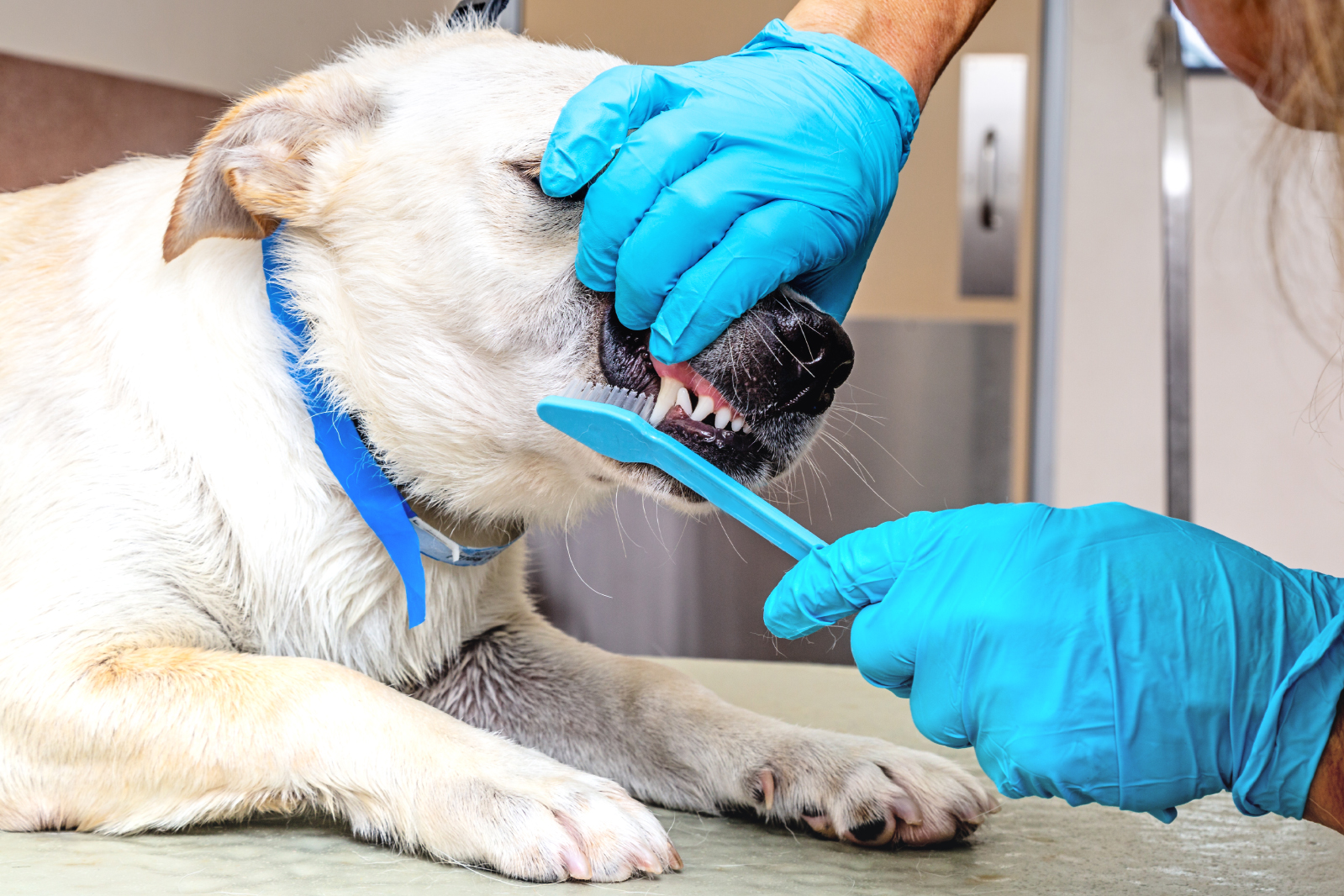
Daily tooth brushing for dogs and cats is considered the most effective home-care method for controlling plaque. Use toothpaste formulated specifically for pets; human toothpaste may contain ingredients that are unsafe when swallowed.
Additional home-care options may include:
Veterinary-recommended dental diets
Dental chews
Oral gels
Dental wipes
Water additives
Other products carrying the Veterinary Oral Health Council seal
Not every product labeled “dental” has evidence that it reduces plaque or tartar. Products accepted by the Veterinary Oral Health Council have undergone review for effectiveness according to established criteria. Home care should also be appropriate for the individual pet—very hard chews may contribute to fractured teeth.
Home dental care is valuable, but it cannot reverse advanced periodontal disease or treat an infected tooth. Brushing a painful, infected mouth may cause discomfort and should not replace veterinary treatment.
How Often Does My Pet Need a Dental Cleaning?
There is no universal dental schedule that fits every dog or cat. Dental disease develops at different rates depending on:
Species
Breed
Age
Genetics
Tooth alignment
Jaw shape
Saliva composition
Diet
Chewing behavior
Home dental care
Existing periodontal disease
Other medical conditions
Small dogs, brachycephalic breeds, and pets with crowded teeth may develop disease earlier and more rapidly. AAHA guidance recommends that small- and medium-breed dogs and all cats receive their first anesthetized dental evaluation with tooth-by-tooth probing and full-mouth radiographs by approximately one year of age; large-breed dogs may follow a different individualized timeline.
This does not mean every pet automatically needs an identical procedure on the same birthday. It means dental health should be evaluated early, before years of untreated disease accumulate. We assess your pet’s mouth during routine wellness visits and recommend professional care based on the individual patient’s findings and risk.
Honest Treatment Planning
Dental estimates can be challenging because the full extent of disease is often not visible until the patient is anesthetized, the teeth are probed, and dental radiographs are taken. AAHA notes that a complete treatment plan and precise cost may not be possible until the anesthetized oral examination and full-mouth images have been reviewed.
We believe owners deserve clear communication. Before the procedure, we will discuss:
What the initial examination suggests
What the planned dental procedure includes
Why dental X-rays are important
Potential treatment findings
Possible extractions
Available treatment options
Pain-management plans
Estimated costs and how unexpected findings will be handled
Home-care and follow-up recommendations
Our goal is not to surprise or pressure you. It is to make sure you understand what your pet needs, why it is recommended, and how treatment may improve comfort and health.
Veterinary Dental Care for Roundup and Musselshell County
Pets throughout rural Montana deserve the same standard of dental care available in larger communities. At Bull Mountain Veterinary Hospital, we are committed to providing thorough, modern, and compassionate pet dentistry in Roundup, MT. We proudly serve dog and cat owners from Roundup, Musselshell County, and surrounding Central Montana communities.
Whether your pet needs an oral evaluation, professional dental cleaning, dental X-rays, treatment for periodontal disease, or assessment of a broken or painful tooth, our team is here to help. You should not have to guess whether your pet is hurting, and your pet should not have to live with preventable dental pain.
Have questions about your pet's health, our services, or what to expect during your visit?
We've answered some of the questions we hear most often from pet owners and livestock producers throughout Roundup and the surrounding communities.
If you don't find the answer you're looking for, our team is always happy to help.
Contact Bull Mountain Veterinary Hospital, and we'll be glad to answer your questions and help you determine the best care for your animal.
Veterinarian Dentistry FAQs
1. Does my pet need a dental cleaning if the teeth do not look bad?
Possibly. Visible tartar does not always reflect the severity of disease below the gumline. Some animals have significant bone loss, periodontal pockets, root infection, or tooth resorption that cannot be identified from an awake visual examination alone.
2. Why does my pet need dental X-rays?
Most of each tooth lies beneath the gumline. Dental X-rays allow us to evaluate roots, supporting bone, hidden infections, fractures, resorption, and other abnormalities that cannot be seen by looking at the tooth’s crown.
3. Is bad breath normal for dogs and cats?
Occasional odor may occur, but persistent foul breath commonly indicates plaque, inflammation, infection, periodontal disease, or another oral-health problem. It should be evaluated rather than dismissed as normal.
4. My pet still eats. Could the mouth really hurt?
Yes. Animals commonly continue eating despite oral pain. They may swallow food without chewing, favor one side, eat more slowly, or adapt their behavior so gradually that the change is difficult to notice.
5. Is anesthesia safe for an older pet?
No anesthesia is completely without risk, but age alone is not a disease. We evaluate each patient individually and may recommend an examination, laboratory testing, tailored medications, airway protection, monitoring, and other precautions based on your pet’s health.
6. Can brushing remove existing tartar?
No. Brushing helps control soft plaque but does not safely remove hardened tartar or treat disease under the gumline. Once significant tartar or periodontal disease is present, a professional veterinary dental procedure may be needed.
7. Are anesthesia-free dental cleanings effective?
They may remove some visible tartar, but they cannot provide dental X-rays, complete probing, thorough subgingival cleaning, or treatment of painful disease. Major veterinary dental organizations do not consider them a substitute for comprehensive anesthetized dental care.
8. What should I do about a broken tooth?
Schedule an evaluation. A fractured tooth may be painful or infected even when your pet acts normal. An examination and dental X-rays help determine whether monitoring, extraction, referral, or another form of treatment is appropriate.
9. How do I schedule pet dental in Roundup?
Call Bull Mountain Veterinary Hospital at (406) 323-2345 to schedule an appointment or learn more about our Veterinarian Dentistry services in Roundup, Montana.
Call Bull Mountain Veterinary Hospital at (406) 323-2345 to schedule an appointment in Roundup, Montana.
Follow Us On Social Media


Quick Links
Have Questions?
Every pet is different, and every situation is unique. If you're unsure whether your pet needs to be seen or have questions about any of our services, please don't hesitate to contact our team.
Please Call: (406) 323-2345
Email: [email protected]
Business Hours
Monday - Friday: 8am - 5pm MST
Our Address
140 US-87 N.
Roundup, Montana
