
Senior Pet Care In Roundup, Montana | Bull Mountain Veterinary Hospital
Senior Pet Care Services
Trusted Care. Honest Communication. Compassionate Medicine.

Proudly Serving Roundup, Montana & Surrounding Communities
Growing older is not a disease. Many senior dogs and cats remain active, engaged, and deeply connected to their families for years. However, aging changes how pets respond to illness, medications, nutrition, anesthesia, pain, and everyday physical demands.
Our goal is not simply to help pets live longer. It is to help them remain comfortable, mobile, interested in their surroundings, and able to enjoy the people and activities that make up their lives.
Senior pets often develop health problems gradually. A dog may begin hesitating before climbing into the truck. A cat may stop jumping onto a favorite windowsill. An older pet may drink slightly more, lose a small amount of weight, sleep more deeply, or become less interested in food. Because these changes develop slowly, they are frequently mistaken for normal aging.
Some change is expected with age, but pain, weakness, weight loss, confusion, dental disease, and loss of mobility should not automatically be dismissed as “just getting old.” Many age-related changes can be treated, managed, or made substantially more comfortable when identified early.
Current veterinary senior-care standards recommend evaluating the entire patient rather than focusing only on a single diagnosis. This includes physical health, pain, mobility, nutrition, behavior, cognition, home environment, family goals, and overall quality of life.
When Is a Pet Considered Senior?
There is no single birthday when every dog or cat becomes a senior. Aging depends on species, breed, body size, genetics, health history, and lifestyle.
Large and giant-breed dogs generally reach their senior years earlier than small dogs. A Great Dane may be considered senior while a small terrier of the same age remains closer to middle age. Cats over approximately ten years of age are generally considered senior under current feline life-stage guidance.
Rather than waiting for an exact age, we begin adjusting preventive-care recommendations when a pet enters the later portion of their expected lifespan or develops conditions associated with aging.


Signs that your pet may benefit from a senior wellness evaluation include:
Reduced activity or stamina
Difficulty rising
Hesitation before jumping or using stairs
Weight gain or weight loss
Muscle loss
Increased thirst or urination
Changes in appetite
Bad breath or difficulty chewing
New lumps or changes in existing masses
Coughing or reduced exercise tolerance
Restlessness at night
Confusion or altered behavior
House-training accidents
Changes in hearing or vision
Increased irritability
Reduced grooming
Hiding or social withdrawal
Changes in sleep patterns
Any gradual change that does not seem normal for your pet
You do not need to wait until your pet appears seriously ill. Senior care is most effective when we can establish a baseline and recognize changes before they become advanced.
How Often Should Senior Pets Be Examined?
Most senior pets benefit from veterinary examinations at least every six months. A pet with a chronic illness, significant mobility problem, medication requiring monitoring, or rapidly changing condition may need to be seen more frequently.
Current guidance recommends a medical workup for senior pets once or twice yearly, commonly including a physical examination, complete blood count, blood chemistry testing, and urinalysis. The exact testing schedule should be individualized according to the pet’s health, lifestyle, species, and previous findings.
Feline senior-care guidance recommends that senior cats between ten and fifteen years of age receive veterinary examinations at least every six months, while cats with chronic disease may require even closer follow-up.
Why not simply continue with one examination each year?
Six months represents a much larger portion of an older pet’s remaining lifespan than it does for a young adult. Kidney disease, diabetes, hyperthyroidism, arthritis, cancer, dental disease, and other conditions may change substantially during that interval. More frequent evaluation allows us to monitor trends and adjust care before a manageable problem becomes a crisis.
What Happens During a Senior Pet Visit?
A senior dog or cat examination includes more than listening to the heart and giving vaccines. We assess the whole patient and ask about changes that may not be obvious in the examination room.
A senior visit may include evaluation of:
Body weight
Body condition
Muscle condition
Appetite and nutrition
Water intake and urination
Mobility and gait
Joint range of motion
Signs of pain
Heart and lung function
Blood pressure
Vision and hearing
Eyes, ears, and mouth
Dental disease
Skin and coat
Lumps and masses
Abdominal organs
Neurologic function
Behavior and cognitive changes
Medication effectiveness and side effects
Home environment
Overall quality of life
We may also ask whether your pet:
Slips on smooth floors
Struggles to climb stairs
Hesitates before jumping
Needs help getting into a vehicle
Pants or paces at night
Has accidents indoors
Becomes stuck behind furniture
Appears confused in familiar places
Has become anxious or unusually clingy
No longer enjoys familiar activities
Has difficulty lowering the head to eat
Needs more time to stand after resting
These observations often provide important information about pain, weakness, cognitive decline, and functional ability.
Senior Wellness Bloodwork and Urinalysis
A physical examination provides valuable information, but many diseases begin internally before visible symptoms appear. Senior pet bloodwork in Roundup, MT, can help establish a baseline and identify changes that may not yet be obvious at home.
A senior screening profile may include:
Complete blood count
Blood chemistry panel
Electrolytes
Blood glucose
Kidney values
Liver values
Protein levels
Platelet count
Urinalysis
Thyroid testing when appropriate
Additional tests based on species, history, or examination findings
Current senior-care guidance recommends comprehensive screening once or twice yearly for many senior pets, with the testing plan adjusted to the individual patient.
Screening may help identify:
Kidney disease
Diabetes
Liver disease
Anemia
Infection or inflammation
Platelet abnormalities
Electrolyte disturbances
Thyroid disease
Urinary infection
Abnormal urine concentration
Protein loss
Other metabolic conditions
A single mildly abnormal result does not always indicate serious disease. Trends over time can be more meaningful than one isolated number. Establishing a healthy baseline allows us to recognize subtle movement before values become dramatically abnormal.
Kidney Disease in Senior Pets
Chronic kidney disease is common in older dogs and especially older cats. The kidneys perform several important functions, including filtering waste, balancing water and electrolytes, helping regulate blood pressure, and supporting red blood cell production.
Possible signs include:
Increased thirst
Increased urination
Weight loss
Reduced appetite
Nausea or vomiting
Dehydration
Bad breath
Weakness
Muscle loss
Changes in grooming
Constipation
Lethargy
Early kidney disease may cause few outward signs. Bloodwork and urinalysis are often most useful when interpreted together because blood values, urine concentration, protein levels, hydration, and blood pressure provide different parts of the picture.
Management may include:
Dietary modification
Increased water intake
Medication
Blood-pressure control
Nausea management
Electrolyte support
Fluid therapy when appropriate
Monitoring urine protein
Repeat laboratory testing
Treatment of urinary infection when confirmed
Current fluid-therapy standards emphasize that fluids should be prescribed for a specific purpose and adjusted to the patient. Older animals with kidney or heart disease may be vulnerable both to dehydration and to fluid overload, so route, volume, rate, and response should be carefully monitored.
Arthritis and Chronic Pain
Arthritis is one of the most common causes of reduced mobility in older pets. It is also frequently underrecognized because dogs and cats rarely express chronic pain by crying.
Signs of arthritis or chronic discomfort may include:
Stiffness after resting
Difficulty standing
Slower walking
Reluctance to use stairs
Hesitation before jumping
Reduced interest in play
Difficulty entering vehicles
Slipping on smooth floors
Changes in posture
Muscle loss
Irritability
Reduced grooming
House-soiling because reaching the door or litter box is difficult
Sleeping more
Avoiding physical contact
Panting or restlessness
Cats with arthritis may stop using elevated resting areas, avoid tall litter boxes, groom less effectively, or begin eliminating near the box because climbing into it has become painful.
Current veterinary pain-management guidance recommends proactive identification of chronic pain, use of owner observations, and regular reassessment rather than waiting for severe or obvious suffering. It also favors multimodal treatment, meaning that several complementary strategies may be combined to improve comfort.
Treatment may include:
Weight management
Prescription pain medication
Joint-supportive therapies
Rehabilitation exercises
Controlled activity
Environmental modification
Ramps or steps
Traction on slippery floors
Supportive bedding
Local heat or cold when appropriate
Monitoring of treatment response
Referral for rehabilitation or advanced orthopedic care
Do not give human pain medication unless specifically directed by a veterinarian. Ibuprofen, naproxen, acetaminophen, and other medications may be dangerous or fatal to pets.
Mobility and Muscle Loss
Aging pets may lose muscle even when their body weight appears unchanged. A pet can maintain or gain fat while losing strength, especially through the hips, thighs, shoulders, and spine.
Reduced muscle can make it harder to:
Stand from the floor
Maintain balance
Climb stairs
Walk on uneven ground
Recover from illness or surgery
Support arthritic joints
Reach food, water, or toileting areas
Muscle loss may result from reduced activity, pain, inadequate nutrition, chronic organ disease, endocrine disease, neurologic conditions, or normal age-related changes.
A mobility plan may include:
Pain assessment
Nutritional evaluation
Regular controlled movement
Strength and balance exercises
Weight management
Rugs or traction mats
Ramps
Harnesses or lifting aids
Lower-sided litter boxes
Raised or repositioned bowls
Padded bedding
Nail and paw care
The goal is not intense exercise. It is preserving safe, comfortable movement for as long as possible.
Nutrition and Weight Management
Senior pets do not all need the same type of food. Some need calorie control, while others struggle to maintain weight and muscle. Some require a therapeutic diet for kidney disease, diabetes, urinary stones, gastrointestinal disease, or another medical condition.
A nutritional evaluation considers:
Current weight
Weight change over time
Body condition
Muscle condition
Appetite
Dental comfort
Digestive tolerance
Activity level
Chronic disease
Current medications
Treats and table food
Ability to reach and consume food
Unexplained weight loss in a senior pet is not normal and should be evaluated. Possible causes include dental pain, kidney disease, thyroid disease, diabetes, gastrointestinal disease, cancer, reduced smell, nausea, or difficulty accessing food.
Unexpected weight gain may worsen arthritis, respiratory disease, diabetes, and mobility limitations. However, aggressive calorie restriction in a frail or muscle-depleted senior can also be harmful.
Our goal is to preserve lean muscle, maintain an appropriate body condition, and support any medical conditions present.
Dental Care for Senior Pets
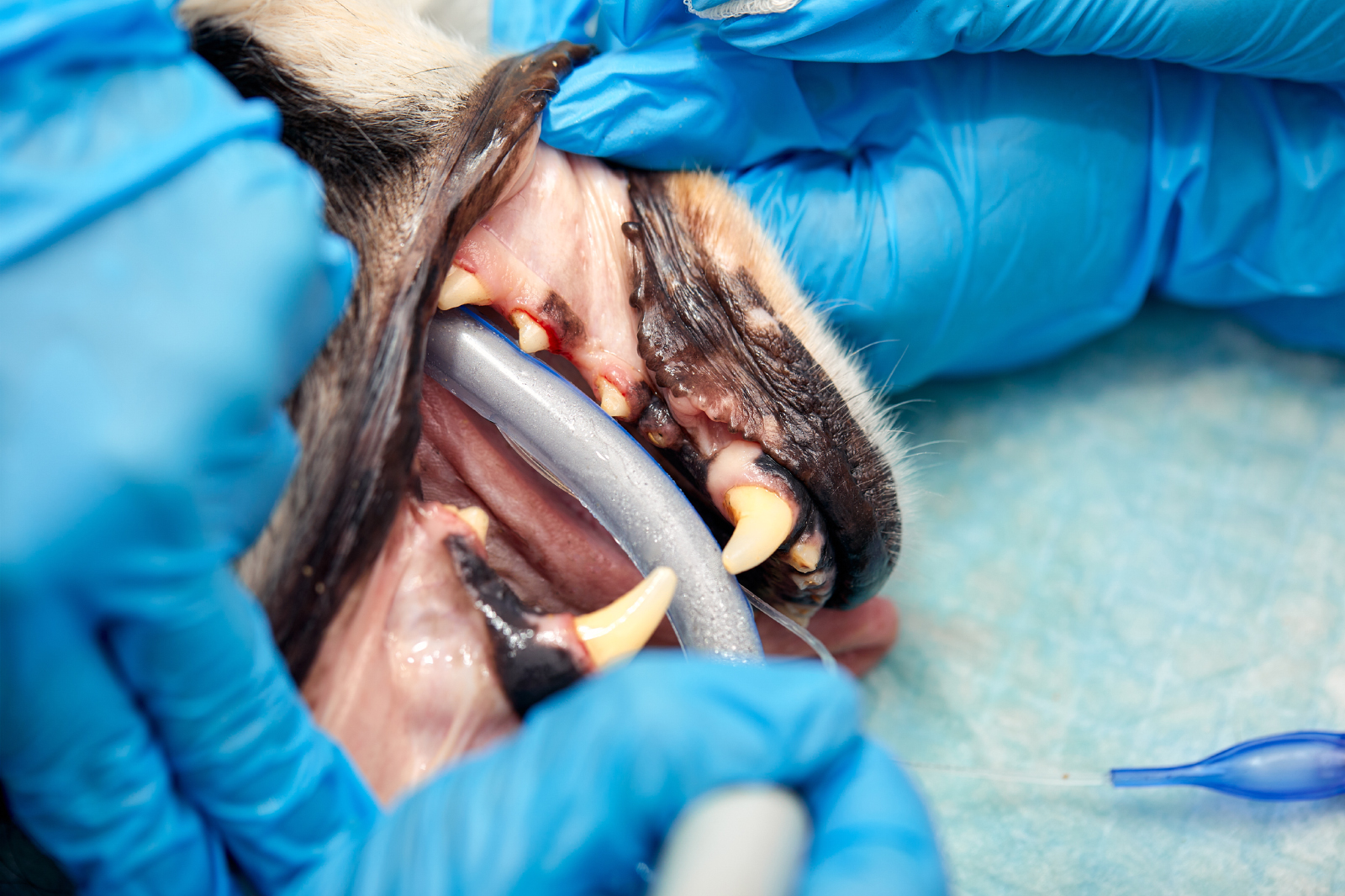
Dental disease is not merely a cosmetic concern. Senior pets may have periodontal disease, fractured teeth, infected roots, tooth resorption, oral masses, or other painful conditions.
Possible signs include:
Bad breath
Dropping food
Chewing on one side
Avoiding hard food
Drooling
Pawing at the mouth
Facial swelling
Reduced grooming
Bleeding gums
Loose or broken teeth
Behavioral changes
No obvious signs
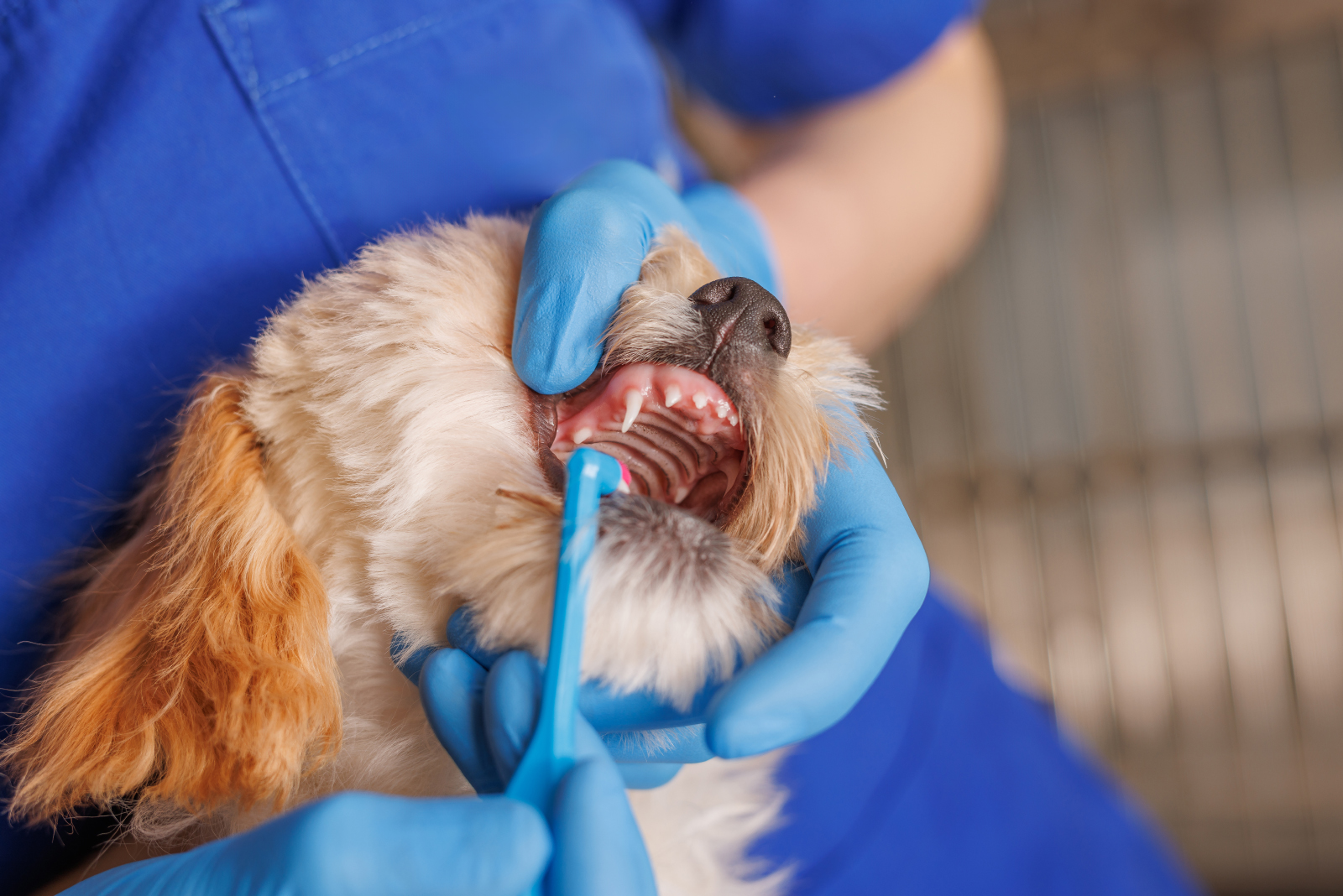
Current senior-care guidance recommends examining the oral cavity at every veterinary visit because older pets have an increased risk of oral disease.
A pet that continues eating may still have severe dental pain. Animals often adapt by swallowing food whole, chewing with less-painful teeth, or eating more slowly.
Age alone should not automatically prevent a pet from receiving necessary dental care. Anesthesia decisions should be based on the individual patient’s health, laboratory results, cardiovascular status, procedure needs, and expected quality-of-life benefit.
For a more complete explanation of anesthetized dental cleanings, dental X-rays, periodontal treatment, and extractions, visit our Veterinary Dentistry page.

Have questions about your pet's health, our services, or what to expect during your visit?
We've answered some of the questions we hear most often from pet owners and livestock producers throughout Roundup and the surrounding communities.
If you don't find the answer you're looking for, our team is always happy to help.
Contact Bull Mountain Veterinary Hospital, and we'll be glad to answer your questions and help you determine the best care for your animal.
Senior Pet Care FAQs
1. When should my new puppy or kitten see a veterinarian?
Ideally, your new pet should be examined soon after arriving home, even when they appear healthy. An early visit allows us to review records, check for illness or developmental concerns, evaluate parasite risks, and plan upcoming preventive care.
2. How many vaccines will my puppy or kitten need?
The number depends on age, previous vaccination history, health, lifestyle, and the age at which the series begins. Young animals usually require multiple visits because maternal antibodies decline unpredictably and can interfere with early vaccine response.
3. Does an indoor kitten still need veterinary care and vaccinations?
Yes. Indoor cats still benefit from routine examinations, parasite assessment, vaccination based on individual risk, dental care, nutrition monitoring, and early detection of illness. Lifestyle affects recommendations, but living indoors does not eliminate every risk.
4. Should I bring a stool sample?
A fresh sample may be helpful for intestinal-parasite testing. Contact our team for instructions on collection and storage before your appointment.
5. When should I microchip my pet?
Microchipping can be performed during a routine visit or combined with another planned procedure. Earlier identification provides earlier protection, particularly for pets at risk of escaping or becoming lost.
6. How do I schedule Senior Pet Care in Roundup?
Call Bull Mountain Veterinary Hospital at (406) 323-2345 to schedule an appointment or learn more about our Senior Pet Care veterinary services in Roundup, Montana.
Call Bull Mountain Veterinary Hospital at (406) 323-2345 to schedule an appointment in Roundup, Montana.
Follow Us On Social Media


Quick Links
Have Questions?
Every pet is different, and every situation is unique. If you're unsure whether your pet needs to be seen or have questions about any of our services, please don't hesitate to contact our team.
Please Call: (406) 323-2345
Email: [email protected]
Business Hours
Monday - Friday: 8am - 5pm MST
Our Address
140 US-87 N.
Roundup, Montana
