
Sick Pet Visits In Roundup, Montana | Bull Mountain Veterinary Hospital
Sick Pet Visit Services
Trusted Care. Honest Communication. Compassionate Medicine.
Proudly Serving Roundup, Montana & Surrounding Communities
When your pet is sick, you want answers—not vague reassurance, unnecessary delays, or a treatment plan built on guesswork. Whether your pet has suddenly stopped eating, developed vomiting or diarrhea, started limping, or simply is not acting like themselves, our veterinary team will work to identify what is wrong and determine the most appropriate next steps.
Pets cannot explain where they hurt, when their symptoms began, or whether a problem is improving. They may also hide pain and illness until a condition becomes more advanced. This is especially common in cats, whose natural behavior can make discomfort difficult to recognize. Current veterinary pain-management standards emphasize combining the owner’s observations with a structured physical assessment rather than relying only on obvious crying or distress.
A sick visit begins with listening. You know your pet’s normal behavior better than anyone. Details such as when your pet last ate, whether water intake has changed, how often vomiting has occurred, or whether your cat is hiding more than usual can provide important diagnostic clues. We combine that history with a complete physical examination and recommend additional testing or treatment based on the individual patient.
Our goal is to help you understand what we know, what remains uncertain, what tests may provide meaningful answers, and what treatment options are available.
When Should My Pet Be Seen?
You do not need to wait until your pet is critically ill before calling. Changes that seem minor may represent the beginning of a larger problem, especially when they persist, worsen, or occur in puppies, kittens, senior pets, or animals with chronic medical conditions.
A single mild symptom may sometimes resolve on its own, but persistent, recurring, or worsening symptoms deserve evaluation. Calling early also allows our team to help determine whether your pet should be seen routinely, urgently, or at an emergency facility.
Schedule a sick pet examination when you notice:
Vomiting
Diarrhea
Loss of appetite
Reduced water intake
Excessive thirst
Frequent or difficult urination
Coughing
Sneezing
Nasal or eye discharge
Lethargy
Weakness
Limping or stiffness
Signs of pain
Itching or skin irritation
Hair loss
Ear odor, redness, or discharge
Sudden behavioral changes
Unexplained weight loss
Fever
Swelling or a new lump
Bad breath or difficulty chewing
Changes in breathing
Hiding or reduced social interaction
Changes in hair coat
Any change that concerns you
What Happens During a Sick Pet Visit?
Every illness is different, so there is no single checklist that applies to every patient. A veterinary sick visit generally begins with a focused medical history and physical examination.
We may ask:
When did the symptoms begin?
Are they improving, worsening, or unchanged?
Is your pet eating and drinking?
Has vomiting or diarrhea occurred?
Is your pet urinating and defecating normally?
Has there been possible exposure to toxins, medications, garbage, wildlife, or foreign objects?
Has your pet recently traveled?
Are other animals in the home affected?
What medications or supplements is your pet receiving?
Does your pet have any previous medical conditions?
Have you noticed pain, weakness, coughing, or difficulty breathing?
During the physical examination, our veterinary team may assess:
Temperature
Heart rate and rhythm
Breathing rate and effort
Hydration
Gum color and circulation
Body weight and condition
Eyes, ears, nose, and mouth
Lymph nodes
Heart and lung sounds
Abdomen
Skin and coat
Muscles, joints, and gait
Neurologic function
Areas of tenderness or pain
The findings help us decide whether your pet may benefit from supportive treatment, diagnostic testing, hospitalization, referral, or close monitoring at home.
The Importance of Your Pet’s Medical History
Diagnostic testing is valuable, but the history you provide can be equally important. A small detail may significantly change the list of possible causes.
Before your appointment, consider writing down:
The first day and approximate time symptoms appeared
How many times your pet has vomited or had diarrhea
Whether blood was present
Changes in appetite or thirst
Changes in urination
Any new food, treats, medications, or supplements
Possible access to trash, bones, toys, chemicals, plants, rodenticides, or human medications
Recent boarding, grooming, travel, hunting, or wildlife exposure
Any recent injuries
Photos or videos of unusual movements, coughing, breathing, seizures, or behavior
Pets do not always reproduce a symptom in the examination room. A short video of an intermittent cough, limp, tremor, or breathing pattern may provide useful information.
Bring medication containers or clear photographs of the labels whenever possible. Do not rely on remembering the name of a “small white pill,” because many medications look similar and may have very different effects.
Vomiting and Diarrhea
Vomiting and diarrhea are among the most common reasons for sick dog and cat visits. Causes range from mild dietary indiscretion to serious illness.
Possible causes include:
Sudden diet changes
Eating spoiled food or garbage
Intestinal parasites
Viral or bacterial infection
Pancreatitis
Food intolerance
Inflammatory intestinal disease
Medication reactions
Toxin exposure
Kidney or liver disease
Endocrine disorders
Gastrointestinal obstruction
Foreign-body ingestion
Cancer
The severity of the illness cannot always be determined by the number of episodes alone. A large adult dog with one episode of vomiting may remain stable, while a puppy, kitten, senior animal, or small pet may become dehydrated more quickly.
Evaluation may include:
Physical examination
Hydration assessment
Fecal testing
Bloodwork
Urinalysis
Abdominal X-rays
Additional imaging
Infectious-disease testing
Supportive treatment and monitoring
Contact us promptly if vomiting or diarrhea is repeated, contains blood, is accompanied by abdominal pain, or occurs with severe lethargy, weakness, dehydration, or refusal to eat.
Loss of Appetite
A pet that refuses food may be experiencing nausea, pain, dental disease, fever, infection, organ dysfunction, stress, or another medical problem. While some dogs occasionally skip a meal without serious consequences, a persistent loss of appetite should not be ignored.
Cats require particular attention when they stop eating. Prolonged inadequate intake can contribute to serious metabolic complications, especially in overweight cats.
A cat that refuses food or eats substantially less than normal should be evaluated promptly.
Loss of appetite may be associated with:
Dental pain
Nausea
Gastrointestinal disease
Kidney disease
Liver disease
Pancreatitis
Fever or infection
Pain elsewhere in the body
Medication side effects
Stress
Nasal congestion
Cancer
Foreign-body obstruction
The appropriate treatment depends on the cause.
Appetite stimulants may be useful in selected patients, but they should not replace evaluation of an underlying painful, obstructive, inflammatory, or systemic condition.
Coughing, Sneezing, and Breathing Changes
Respiratory symptoms may arise from the nose, throat, airways, lungs, heart, or surrounding structures.
Common concerns include:
Persistent coughing
Repeated sneezing
Nasal discharge
Eye discharge
Noisy breathing
Wheezing
Reduced exercise tolerance
Rapid breathing
Labored breathing
Gagging or retching
A change in bark or meow
Possible causes include respiratory infection, allergies, airway irritation, pneumonia, heart disease, collapsing trachea, asthma, foreign material, parasites, masses, or other conditions. A pet struggling to breathe should not wait for a routine appointment. Breathing difficulty may be indicated by:
Open-mouth breathing in a cat
Blue, gray, or very pale gums
Significant abdominal effort while breathing
Inability to rest comfortably
Neck extension to breathe
Collapse
Rapid deterioration
These signs require immediate veterinary attention.
Limping, Stiffness, and Pain
Lameness may result from a minor strain, torn nail, paw injury, arthritis, ligament injury, fracture, infection, or neurologic disease. Some pets refuse to bear weight, while others show only subtle stiffness after resting.
A lameness evaluation may include:
Observation of gait
Examination of the paw and nails
Joint manipulation
Evaluation of muscles and tendons
Neurologic assessment
Radiographs when indicated
Pain management
Activity recommendations
Referral for advanced imaging or orthopedic care when appropriate
Current veterinary pain-management guidelines recommend proactive recognition and treatment of both acute and chronic pain. They also emphasize reassessment because pain can change over time and may not be obvious during a single examination.
Do not give human pain medication unless specifically directed by a veterinarian. Ibuprofen, naproxen, acetaminophen, and other medications may be dangerous or fatal to pets.
Itching, Ear Problems, and Skin Disease
Skin and ear problems are frequent reasons for veterinary sick visits. Although itching may seem straightforward, the underlying cause can vary significantly.
Possible causes include:
Fleas
Mites
Environmental allergies
Food allergy
Bacterial infection
Yeast infection
Ringworm
Contact irritation
Autoimmune disease
Endocrine disorders
Foreign material
Ear-canal masses
Moisture and chronic inflammation
Common cat vaccinations may include protection against:
Scratching
Licking or chewing
Head shaking
Ear odor or discharge
Red skin
Scabs
Hair loss
Hot spots
Recurrent infections
Darkened or thickened skin
Diagnostic testing may include ear cytology, skin cytology, parasite testing, fungal testing, bloodwork, or other procedures. Treating every itchy pet with the same medication may temporarily reduce symptoms without addressing the underlying cause.
Responsible treatment may also mean avoiding unnecessary antibiotics.
Current antimicrobial-stewardship principles encourage veterinarians to confirm or strongly support a bacterial diagnosis, choose targeted treatment when possible, and avoid using antibiotics for conditions that are not bacterial. This helps protect individual patients while reducing antimicrobial resistance.
Eye Problems
Eye conditions can become painful or threaten vision quickly. Contact us promptly if your pet develops:
Squinting
Redness
Cloudiness
Excessive tearing
Thick discharge
Swelling
Rubbing at the eye
A visible injury
Unequal pupils
Sudden vision changes
An eye that appears enlarged or displaced
An eye examination may include fluorescein staining, tear testing, pressure measurement, and evaluation of the eyelids, cornea, pupil, lens, and surrounding tissues.
Eye medication should not be borrowed from another pet or reused from an old prescription without veterinary direction. Certain medications—particularly products containing steroids—can worsen some corneal injuries.
Urinary Problems
Urinary symptoms may be caused by infection, inflammation, bladder stones, kidney disease, diabetes, hormonal disease, stress-related conditions, tumors, or urinary obstruction.
Signs may include:
Frequent urination
Straining
Urinating small amounts
Blood in the urine
Urinating indoors
Licking the urinary opening
Crying while urinating
Increased thirst
Producing little or no urine
A cat—especially a male cat—that repeatedly enters the litter box but produces little or no urine may have a life-threatening urinary obstruction. This requires immediate treatment.
Evaluation may involve:
Physical examination
Urinalysis
Urine culture
Bloodwork
X-rays
Ultrasound or referral imaging
Blood-pressure measurement
Antibiotics are not automatically appropriate for every urinary complaint. Many feline lower urinary-tract conditions are not caused by bacterial infection.
Testing helps us choose treatment based on the likely cause rather than treating all urinary symptoms the same way.
These signs require immediate veterinary attention.
Increased Thirst or Urination
Drinking or urinating more than usual may be an early sign of:
Diabetes
Kidney disease
Liver disease
Hormonal disorders
Urinary infection
Medication effects
Pyometra
Electrolyte abnormalities
Other systemic illnesses
These changes may develop gradually and are sometimes mistaken for normal aging. Diagnostic testing often includes bloodwork and urinalysis because interpreting either sample alone may provide an incomplete picture.
Helpful information includes:
How often the water bowl is refilled
Whether your pet has begun waking at night to urinate
Whether house-training accidents have occurred
Any recent medication changes
Whether appetite or weight has also changed
Lethargy and “Not Acting Right”
Owners frequently call because their pet is simply “not acting right.” That observation matters.
Lethargy may accompany pain, fever, infection, dehydration, anemia, toxin exposure, organ disease, endocrine disease, internal bleeding, or many other conditions. Even when there is no dramatic symptom, a meaningful behavioral change deserves attention.
Examples include:
Hiding
Sleeping more
Reluctance to play
Avoiding stairs
Becoming unusually clingy
Irritability
Reduced grooming
Restlessness
Difficulty getting comfortable
Hesitation before jumping
Changes in interaction with family members

You do not need to identify the exact medical problem before calling. Recognizing that your pet is behaving differently is enough reason to ask for guidance.
Diagnostic Testing for Sick Pets
Testing may include:
Complete blood count
Blood chemistry profile
Electrolytes
Blood glucose
Urinalysis
Urine culture
Fecal testing
Heartworm or tick-borne disease testing
Feline leukemia and immunodeficiency virus testing
Parvovirus testing
Cytology
Skin or ear testing
Digital radiographs
Dental radiographs when oral disease is involved
Additional imaging or specialist referral
Not every sick pet needs every available test. Diagnostic recommendations should be based on the history, examination findings, severity of illness, and the ways test results may influence treatment.
We will explain:
What the test evaluates
Why it is being recommended
What conditions we are considering
How the results may change treatment
Whether monitoring or treatment without testing is a reasonable alternative
What additional steps may be needed if results are abnormal
Good diagnostic medicine is not about ordering every test. It is about selecting tests that are likely to provide useful information for the patient in front of us.
Individualized Treatment Plans
Treatment depends on the diagnosis, suspected cause, severity of illness, and your pet’s overall condition.
A treatment plan may include:
Oral or injectable medication
Anti-nausea treatment
Pain medication
Fluid therapy
Nutritional support
Wound care
Topical treatment
Diet modification
Activity restriction
Hospital monitoring
Surgery
Follow-up testing
Referral or emergency transfer
Current fluid-therapy standards emphasize that fluids should be prescribed like any other medication: for a specific purpose, at an individualized dose and route, with continued monitoring for response and possible complications.
They distinguish between fluid resuscitation, replacement of dehydration, and normal maintenance needs rather than treating every ill patient with the same rate or volume.
Some conditions improve with supportive care. Others require specific treatment or urgent intervention.
We will explain what improvement should look like, how quickly it may occur, and what changes mean your pet should be rechecked.
Pain Assessment and Relief
Pain may be present even when a pet does not cry, limp dramatically, or refuse food. Dogs and cats may show pain through changes in posture, movement, appetite, grooming, sleep, facial expression, social behavior, or temperament.
Current veterinary standards support:
Assessing pain during the examination
Treating pain proactively
Selecting medication based on the patient and condition
Combining different pain-control strategies when appropriate
Reassessing whether treatment is working
Including the owner’s observations from home
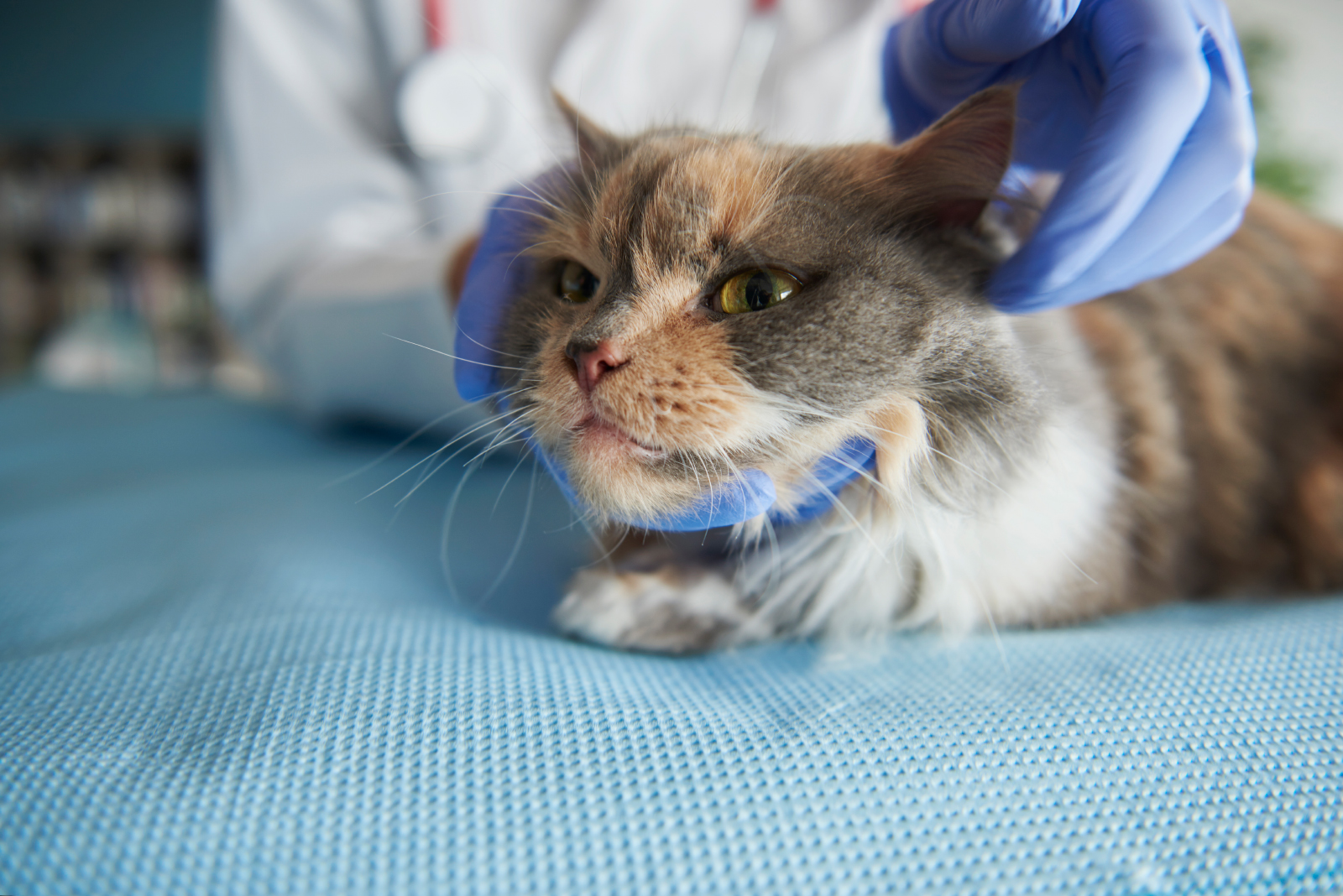
Pain medication is not used to “cover up” disease. Appropriate pain relief improves welfare, reduces stress, and may help a pet rest, eat, move, and recover more normally while the underlying condition is addressed.
Fluid Therapy for Sick Pets
A dehydrated or poorly perfused pet may benefit from fluid therapy, but the appropriate route and amount depend on the problem.
Options may include:
Oral fluid intake
Subcutaneous fluids
Intravenous fluids
Rapid resuscitation for selected unstable patients
Slower replacement of dehydration
Maintenance support
Adjusted plans for kidney, heart, or electrolyte disorders
Antibiotics Are Not Always the Answer
Many owners understandably expect antibiotics when a pet is sick. However, antibiotics treat susceptible bacterial infections; they do not treat viruses, allergies, most inflammatory conditions, parasites, toxin exposure, or many common causes of vomiting and diarrhea.
Using antibiotics when they are unlikely to help may:
Cause vomiting, diarrhea, or other side effects
Disrupt normal bacterial populations
Complicate later diagnostic testing
Delay identification of the actual cause
Contribute to antimicrobial resistance
When bacterial disease is suspected, testing such as cytology, urinalysis, culture, or other diagnostics may help guide treatment. Our goal is not to avoid antibiotics when they are needed. It is to use them responsibly and effectively.
Low-Stress Care for Sick Cats
Veterinary visits can be especially stressful for cats. Fear may alter behavior, make examination more difficult, and affect some physical measurements.
Modern feline-care guidance recommends respectful handling, minimizing unnecessary restraint, responding to the cat’s emotional state, and allowing an appropriate degree of control whenever possible.
These approaches improve patient welfare, staff safety, and the quality of the examination.
Depending on the cat, helpful strategies may include:
Allowing time to adjust to the room
Examining the cat where it feels secure
Using towels or familiar bedding
Avoiding unnecessary force
Performing procedures efficiently
Discussing pre-visit medication for cats with severe travel or handling anxiety
Separating stressful procedures when medically appropriate
A frightened cat is not a “bad” cat. Fear is a protective response, and thoughtful handling helps us provide better care.
Senior Pets and Chronic Conditions
Senior pets and animals with chronic disease may become seriously ill from changes that a younger, healthier animal could tolerate more easily.
Conditions that may require ongoing monitoring include:
Kidney disease
Diabetes
Heart disease
Liver disease
Thyroid disorders
Arthritis
Seizure disorders
Chronic gastrointestinal disease
Cancer
Recurrent urinary disease
A sick visit for a senior pet may require comparison with previous examination findings and laboratory results. Trends over time can be more informative than a single isolated number.
Do not assume that every change is simply old age. Reduced activity, weight loss, accidents in the house, changes in sleep, difficulty standing, and altered appetite may reflect treatable pain or disease.
When Is It an Emergency?
Some conditions should not wait for a routine appointment. Seek immediate veterinary care for:
Difficulty breathing
Blue, gray, or very pale gums
Collapse or loss of consciousness
Uncontrolled bleeding
Repeated seizures or a prolonged seizure
Severe trauma
Suspected poisoning
Inability to urinate
Severe weakness
Persistent vomiting with rapid decline
Suspected intestinal obstruction
Repeated unproductive retching with abdominal swelling
Significant eye trauma
Heatstroke
Severe pain
An animal that is rapidly becoming less responsive
Call while you are preparing to leave whenever possible. A brief phone conversation may allow the receiving team to prepare and can help determine the most appropriate destination
Clear Communication and Practical Options
We understand that veterinary decisions involve medical, emotional, logistical, and financial considerations. Our role is to explain the options honestly and help you prioritize care.
During a sick visit, we will discuss:
Our examination findings
The most likely causes
Serious conditions that should be ruled out
Recommended diagnostic testing
Treatment options
Expected benefits and limitations
Estimated costs
Signs that should prompt a recheck
Whether referral or emergency care may be needed
When appropriate, we may offer a stepwise plan beginning with the most important tests or treatments. Not every family can pursue every diagnostic option at once.
We will work to identify the information and care most likely to affect your pet’s immediate health while being honest about the limitations of a reduced diagnostic plan.
Follow-Up and Reassessment
A sick visit is sometimes the beginning of the diagnostic process rather than the end. Early disease may not yet produce definitive test results, and some conditions become clearer based on how the patient responds over time.
Follow-up may include:
A phone update
Repeat examination
Repeat laboratory testing
Medication adjustment
Additional imaging
Culture or specialized testing
Referral
Long-term management
Contact us sooner than planned if your pet worsens, develops new symptoms, cannot keep medication down, stops eating, has difficulty breathing, or does not improve within the expected timeframe.
Reassessment is not evidence that the first visit failed.
It is an important part of responsible medical care when illness evolves or treatment response differs from what was expected.

Have questions about your pet's health, our services, or what to expect during your visit?
We've answered some of the questions we hear most often from pet owners and livestock producers throughout Roundup and the surrounding communities.
If you don't find the answer you're looking for, our team is always happy to help.
Contact Bull Mountain Veterinary Hospital, and we'll be glad to answer your questions and help you determine the best care for your animal.
Sick Pet Visit FAQs
1. How do I know whether my pet needs an appointment?
Call when your pet develops new, persistent, recurring, or worsening symptoms. Loss of appetite, vomiting, diarrhea, coughing, limping, lethargy, urinary changes, pain, or simply not acting normally may justify an examination.
2. Can I wait a day and see whether my pet improves?
That depends on the symptom, severity, age, and medical history. A mild, isolated problem in an otherwise healthy adult pet may be appropriate to monitor, while breathing difficulty, repeated vomiting, urinary straining, collapse, significant pain, or rapid decline should be evaluated immediately.
3. Should I bring a stool or urine sample?
A fresh sample may be helpful in some cases. Call first for instructions because collection, storage, timing, and container requirements can affect whether the sample is useful.
4. Does every sick pet need bloodwork or X-rays?
No. Testing recommendations are based on the history, examination findings, severity, and how results may change treatment. We will explain why a test is being recommended before proceeding.
5. Can you prescribe medication without examining my pet?
Prescription decisions depend on the medication, condition, existing veterinarian-client-patient relationship, and whether an examination is medically and legally necessary. Many symptoms have several possible causes, and prescribing without evaluating the patient may be unsafe.
6. What should I bring to the appointment?
Bring current medications and supplements, previous records if we do not already have them, photographs or videos of intermittent symptoms, and any relevant packaging from a possible toxin, food, medication, or swallowed object.
7. Can I give my pet human medication?
Do not give human medication unless specifically directed by a veterinarian. Common pain relievers, cold medicines, stomach medications, and topical products may be dangerous to dogs or cats.
8. Why did my pet receive supportive care without a definite diagnosis?
Some illnesses are self-limiting or have similar early presentations. When a pet is stable, supportive care with close monitoring may be appropriate. We will explain what improvement should look like and when further testing or reassessment is needed.
9. What happens if my pet needs care you cannot provide locally?
We will explain why referral or emergency transfer is recommended, help identify an appropriate facility, and provide relevant medical information to support continuity of care.
10. How do I schedule a sick pet visit?
Call Bull Mountain Veterinary Hospital at (406) 323-2345 to schedule a sick pet examination. Tell our team what symptoms you are seeing so we can help determine how urgently your pet should be evaluated.
Call Bull Mountain Veterinary Hospital at (406) 323-2345 to schedule an appointment in Roundup, Montana.
Follow Us On Social Media


Quick Links
Have Questions?
Every pet is different, and every situation is unique. If you're unsure whether your pet needs to be seen or have questions about any of our services, please don't hesitate to contact our team.
Please Call: (406) 323-2345
Email: [email protected]
Business Hours
Monday - Friday: 8am - 5pm MST
Our Address
140 US-87 N.
Roundup, Montana
