
Livestock Veterinary Services In Roundup, Montana | Bull Mountain Veterinary Hospital
Livestock Veterinary Services
Trusted Care. Honest Communication. Compassionate Medicine.
Proudly Serving Roundup, Montana & Surrounding Communities
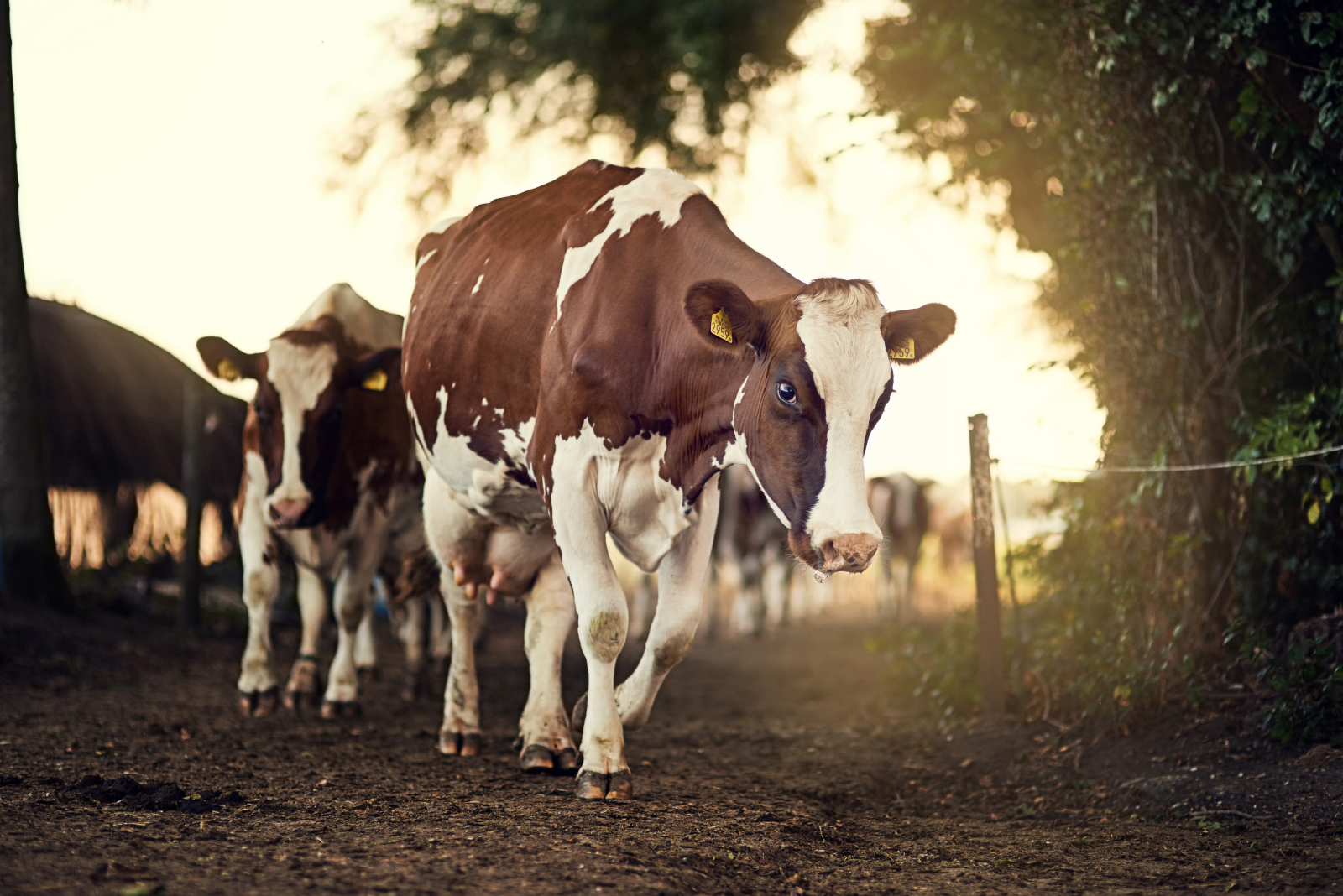
A livestock veterinarian should understand that the patient is not the only thing at stake. Every sick calf, open cow, unsound bull, difficult birth, and preventable disease outbreak affects the productivity of the operation, the time available to the rancher, and the long-term value of the herd.
Our veterinary team works with ranchers to protect animal health, improve reproductive performance, reduce avoidable losses, and develop herd-health plans that make sense for the way each operation is actually run.
We understand that cattle medicine is different from companion-animal medicine. Recommendations must account for herd size, labor, facilities, pasture access, handling frequency, weather, calving season, marketing plans, replacement goals, biosecurity risks, and the economics of the operation. A program that looks good on paper but cannot be carried out efficiently in the pasture or through the chute is not much of a program.
Our approach is straightforward: identify the problem, explain the practical options, use diagnostics when they are likely to change the plan, and help ranchers make informed decisions without wasting time or money.
Cattle and Livestock Services We Provide
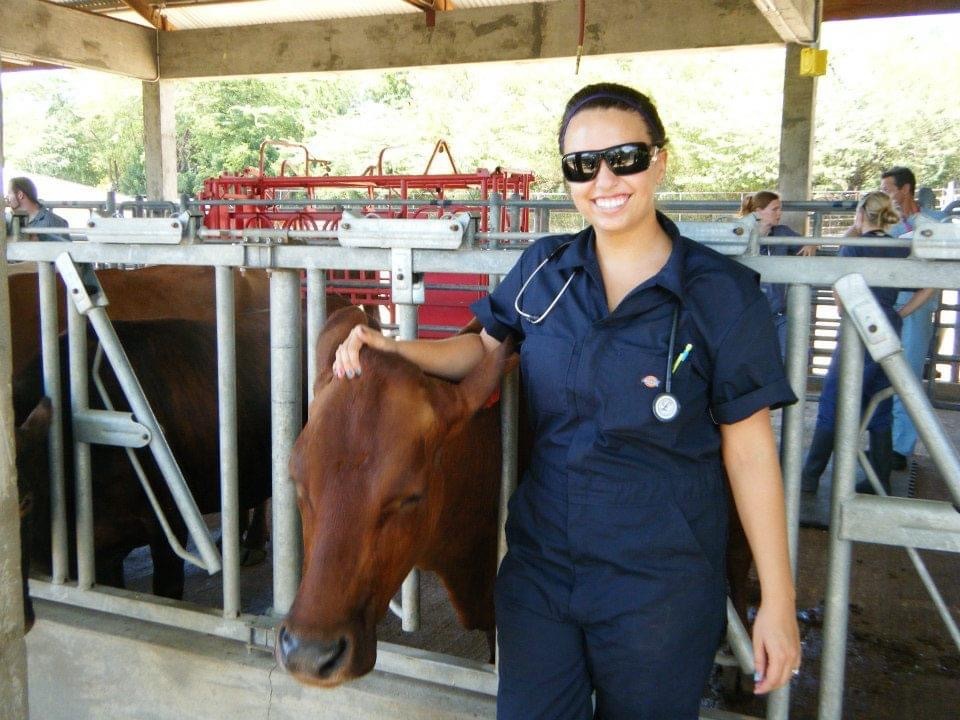
Depending on the needs of the operation and the availability of appropriate facilities, services may include:
Herd-health planning
Cow-calf vaccination programs
Calf-health programs
Pregnancy diagnosis
Bull breeding-soundness examinations
Reproductive evaluations
Calving assistance
Dystocia management
Cesarean sections when appropriate
Uterine and vaginal prolapse treatment
Sick-calf examinations
Scours evaluation and treatment planning
Respiratory-disease evaluation
Lameness and foot examinations
Wound and injury treatment
Castration
Pain-management planning
Parasite-control consultation
Nutrition-related health evaluation
Biosecurity planning
New-animal and replacement-heifer protocols
Prescription livestock medications
Treatment protocols and recordkeeping
Certificates of veterinary inspection when available and appropriate
Official identification and regulatory-health assistance
Diagnostic sample collection
Necropsy and mortality investigation when appropriate
Individual animal and herd-level consultations
Some emergencies, advanced surgeries, extensive herd investigations, or procedures requiring specialized equipment may require referral or coordination with another veterinarian.
When a case exceeds what can safely or appropriately be provided, we will explain the options clearly.
Practical Herd-Health Planning
Good herd health is not built around reacting to one sick animal at a time. It is built around preventing predictable problems, recognizing changes early, and having a plan before cattle are in the chute or calving begins.
A beef herd-health program may address:
Vaccination timing
Calving-season preparation
Neonatal calf health
Colostrum management
Replacement-heifer development
Bull management
Breeding-season preparation
Pregnancy-check strategy
Parasite control
Mineral and nutritional concerns
Respiratory-disease prevention
Scours prevention
Biosecurity
Drug selection
Withdrawal times
Recordkeeping
Culling decisions
Emergency planning
The appropriate program depends on the operation. A closed commercial cow-calf herd has different risks than an operation purchasing replacement females, backgrounding calves, sharing bulls, using common grazing, or frequently moving cattle between locations.
We use current bovine-medicine principles while tailoring recommendations to the realities of local ranching. Our goal is not to sell the most products. It is to help you use the right products, at the right time, for a clear reason.
Have questions about your pet's health, our services, or what to expect during your visit?
We've answered some of the questions we hear most often from pet owners and livestock producers throughout Roundup and the surrounding communities.
If you don't find the answer you're looking for, our team is always happy to help.
Contact Bull Mountain Veterinary Hospital, and we'll be glad to answer your questions and help you determine the best care for your animal.
Livestock Veterinary Services FAQs
1. What livestock species do you treat?
Availability of services for livestock species depends on the animal, condition, facilities, and experience required. Call to discuss your needs before scheduling.
2. Do you provide on-ranch visits?
Availability depends on staffing, location, urgency, travel distance, and the services required. Call the hospital with your location, number of animals, problem, and available handling facilities so we can determine the appropriate plan.
3. Can you help develop a herd vaccination program?
Yes. We can develop a vaccination plan based on herd history, cattle sources, breeding and calving schedule, disease risks, management practices, and marketing goals.
4. Do you treat calf scours?
Yes. Treatment depends on hydration, strength, age, temperature, ability to nurse, and the suspected cause. Fluid and electrolyte therapy are often central to treatment. Call early when a calf becomes weak, cold, unable to stand, or unwilling to nurse.
5. Do all calves with scours need antibiotics?
No. Antibiotics do not correct dehydration and are not appropriate for every cause of diarrhea. The need for antimicrobial treatment depends on the calf’s age, systemic condition, examination findings, and suspected infection.
6. Can I purchase prescription livestock medication without a herd visit?
Prescription medication requires a valid veterinarian-client-patient relationship and sufficient knowledge of the animals or operation. Contact us to discuss how to establish and maintain that relationship before an urgent treatment need develops.
7. Do you provide health certificates for cattle?
Certificates of veterinary inspection may be available when animals meet applicable identification, examination, testing, and movement requirements. Contact us well before the movement date because requirements vary by origin, destination, and cattle class.
8. Does a health certificate replace a brand inspection?
No. Veterinary health documentation and brand inspection serve different purposes. Montana brand inspections are performed through authorized brand inspectors according to state requirements.
9. What should I have ready for a ranch visit?
Have cattle gathered when practical, provide safe restraint, ensure the chute and gates work, arrange adequate help, and provide relevant records. Tell us ahead of time about difficult cattle, poor road access, limited facilities, or special equipment needs.
10. How do I schedule livestock services?
Call Bull Mountain Veterinary Hospital at (406) 323-2345 to schedule livestock veterinary service. Provide the ranch location, number and class of cattle, requested service, handling facilities, and preferred timing.
Call Bull Mountain Veterinary Hospital at (406) 323-2345 to schedule an appointment in Roundup, Montana.
Follow Us On Social Media


Quick Links
Have Questions?
Every pet is different, and every situation is unique. If you're unsure whether your pet needs to be seen or have questions about any of our services, please don't hesitate to contact our team.
Please Call: (406) 323-2345
Email: [email protected]
Business Hours
Monday - Friday: 8am - 5pm MST
Our Address
140 US-87 N.
Roundup, Montana
